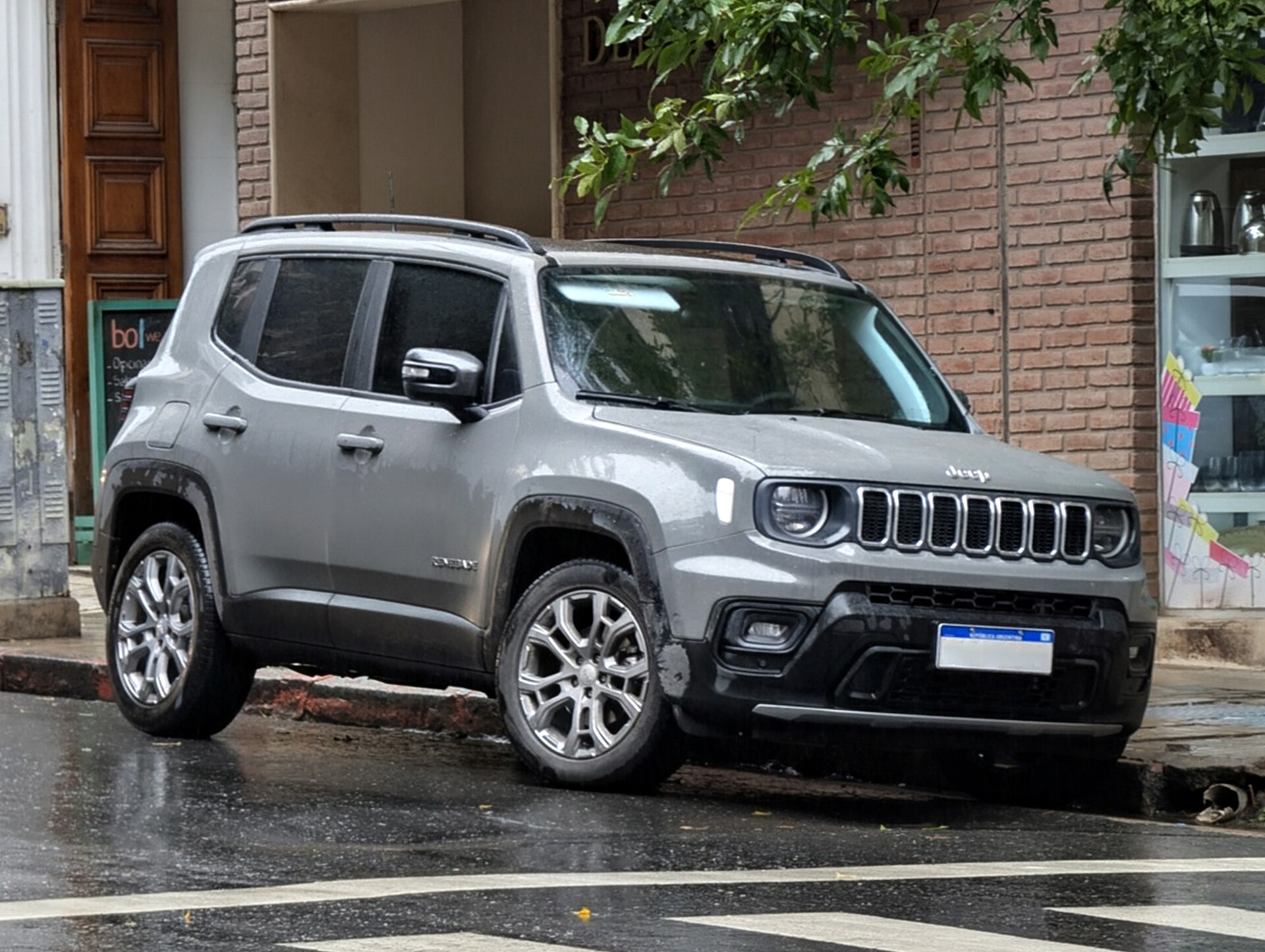
If you own a Jeep Cherokee, you know how important it is to keep your SUV running smoothly. One often overlooked part is the transmission cooler line. This small but crucial component carries transmission fluid to the cooler, preventing overheating and extending the life of your transmission. Over time, these lines can leak or crack, leading to big problems if not fixed quickly. Replacing them yourself is possible, even if you’re not a pro mechanic. Here’s a complete guide to understanding, diagnosing, and replacing Jeep Cherokee transmission cooler lines.
Why Transmission Cooler Lines Matter
Transmission fluid cools and lubricates your transmission. The cooler lines move this fluid from the transmission to a radiator or separate cooler and back again. If these lines leak, you risk:
- Low fluid levels
- Transmission overheating
- Costly repairs or total failure
A leaking line can cause the transmission to slip, shift poorly, or even stop working. Most leaks start small, but they get worse quickly. Replacing the lines at the first sign of trouble is smart and can save you thousands of dollars.
Signs Your Transmission Cooler Line Needs Replacement
Watch for these warning signs:
- Fluid on the ground: Look for reddish or brown puddles under your Jeep.
- Burning smell: Overheated fluid smells burnt. This means the fluid isn’t circulating properly.
- Hard or slipping shifts: Transmission problems can start with a simple leak.
- Low fluid level: Check the dipstick. If it’s always low, you might have a leak.
- Visible cracks or wetness: Inspect the lines themselves for damage.
Ignoring these signs can lead to total transmission failure. Most owners miss the early drips, thinking it’s just oil or water. Always check where the leak is coming from.
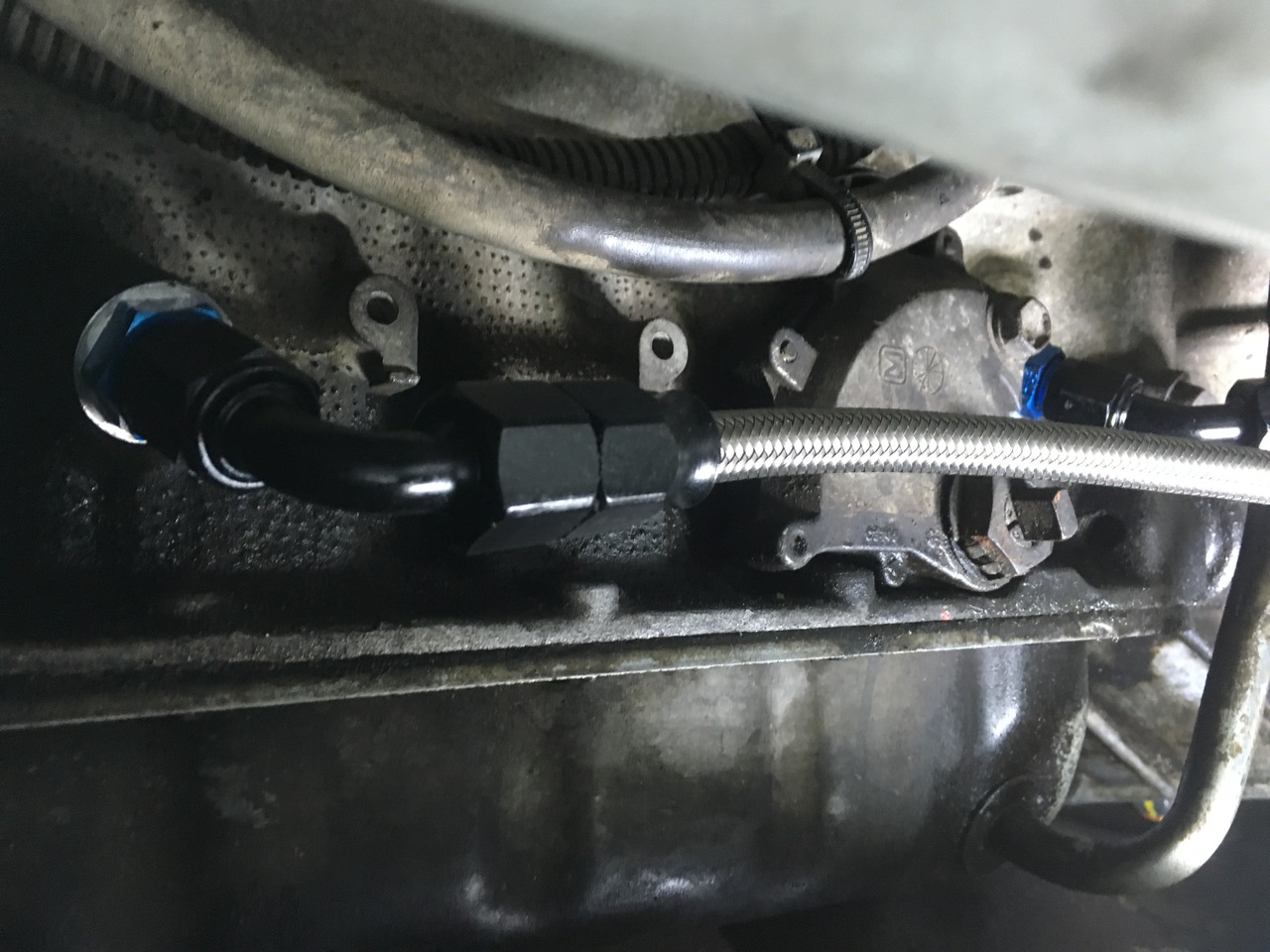
What You’ll Need For Replacement
Before starting, gather these tools and parts:
- Replacement cooler lines (fit your year/model)
- Line disconnect tool (for quick-connect fittings)
- Jack and jack stands (for safety)
- Drain pan (to catch fluid)
- Wrenches and pliers
- Shop towels
- New transmission fluid
- Safety glasses and gloves
Not all Jeeps use the same cooler line design. Check your owner’s manual or bring your VIN to the parts store.
Step-by-step Replacement Guide
Replacing the cooler lines can take 1–2 hours for most home mechanics. Here’s how to do it:
- Park safely: Put the Jeep on a flat surface, set the parking brake, and disconnect the battery.
- Lift the vehicle: Use a jack and secure the Jeep with jack stands. Never work under a car supported only by a jack.
- Find the cooler lines: They run from the transmission to the front of the vehicle, usually near the radiator.
- Drain fluid: Place the drain pan under the lines. Disconnect the lower line first to let fluid drain out.
- Disconnect fittings: Use the line disconnect tool or a wrench, depending on your model.
- Remove old lines: Carefully pull out the old lines. Watch for leftover fluid.
- Install new lines: Route the new lines exactly like the old ones. Avoid sharp bends or rubbing against metal.
- Reconnect fittings: Snap or tighten them securely. Double-check for leaks.
- Refill fluid: Add the correct type and amount of transmission fluid.
- Test drive: Lower the Jeep, start the engine, and check for leaks while idling. Shift through all gears, then check fluid level again.
A common beginner mistake is forgetting to match the new lines to the exact routing of the old ones. This can cause rubbing, which leads to quick failure.
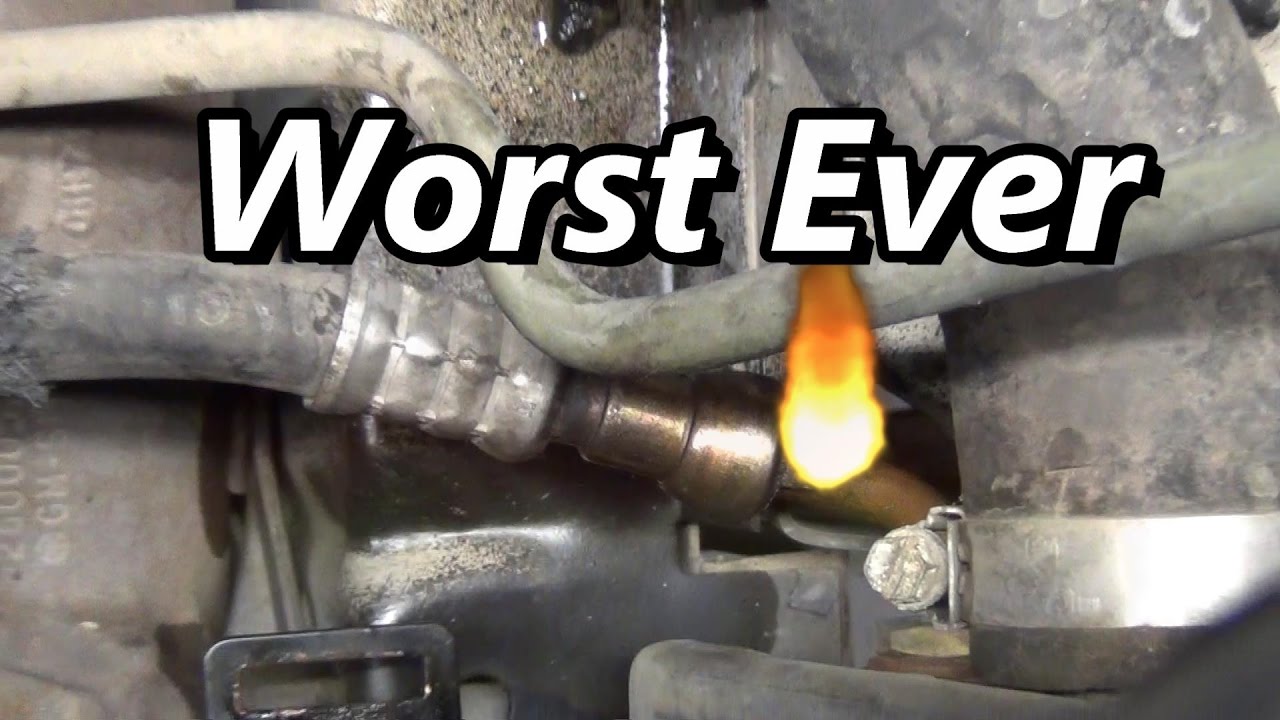
Comparing Oem Vs Aftermarket Cooler Lines
Choosing the right replacement is important. Here’s a quick comparison to help you decide:
| Feature | OEM (Original Equipment) | Aftermarket |
|---|---|---|
| Fit & Compatibility | Exact match | May need adjustment |
| Durability | High | Varies by brand |
| Warranty | Usually included | Check before buying |
| Price | Higher | Often lower |
OEM lines often last longer and fit perfectly. Aftermarket lines can save money but may not be as reliable.
Costs And Time Involved
How much will you spend on this repair? Here’s a breakdown:
| Item | DIY Cost | Shop Cost |
|---|---|---|
| Cooler Lines | $40–$120 | $80–$200 (parts) |
| Fluid & Supplies | $20–$50 | Included in labor |
| Labor | $0 | $150–$300 |
| Total | $60–$170 | $230–$500 |
Doing it yourself saves money, but if you’re not comfortable under the hood, a shop can do it quickly.
Tips For A Leak-free Job
- Check O-rings: Some lines use O-rings at the connections. Always replace them if included.
- Clean connections: Dirt or old fluid can prevent a tight seal.
- Double-check routing: Lines touching hot or moving parts wear out fast.
- Use the right fluid: Jeep transmissions are picky—refer to your owner’s manual.
- Don’t overtighten: Too much force can damage fittings or the transmission case.
One insight many miss: even a tiny leak at a cooler line can let air into the system, causing poor shifting and hard-to-find issues.
When To Call A Professional
If you see major rust, broken fittings, or can’t access the lines safely, it’s wise to get help. Some newer models have quick-connect fittings that require special tools. For persistent leaks after replacement, a mechanic should check for deeper problems.
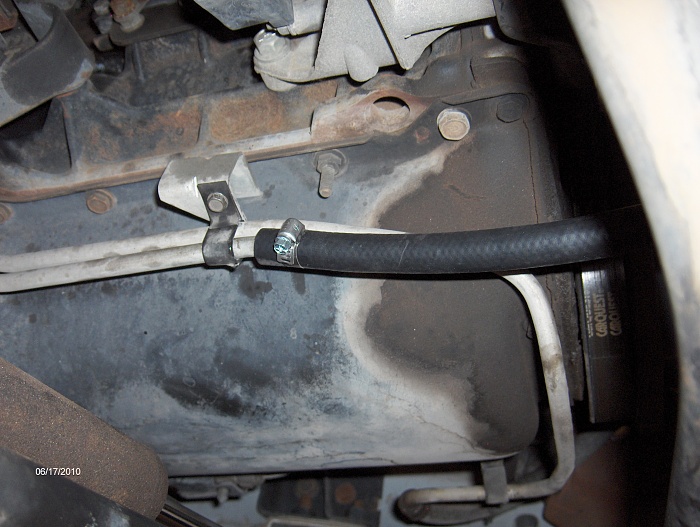
Frequently Asked Questions
How Often Should Jeep Cherokee Transmission Cooler Lines Be Replaced?
Cooler lines don’t have a set lifespan. Inspect them every 30,000 miles or at each fluid change. Replace them immediately if you find cracks, leaks, or corrosion.
Can I Drive With A Leaking Transmission Cooler Line?
It’s not safe. Driving with a leak risks low fluid and transmission failure. Always repair leaks as soon as possible to prevent expensive damage.
What Type Of Transmission Fluid Should I Use After Replacement?
Use only the transmission fluid type recommended in your Jeep’s manual. Using the wrong type can cause shifting problems or damage.
Do I Need To Flush The Transmission When Replacing Cooler Lines?
If you caught the leak early and fluid looks clean, a flush isn’t required. For dirty or burnt-smelling fluid, a full flush and filter change is smart.
Where Can I Find More Technical Details For My Specific Jeep Cherokee?
Check the official Jeep service guides or visit NHTSA’s vehicle database for recalls and technical bulletins.
Replacing your Jeep Cherokee transmission cooler lines may sound challenging, but it’s a rewarding way to protect your vehicle’s most expensive part. With the right tools, a little patience, and attention to detail, you can tackle this project and keep your Jeep running strong for years to come.