If you drive a 2016 Jeep Patriot, keeping your transmission fluid in good condition is critical for smooth shifting and a long vehicle life. Many drivers overlook this simple check, but a healthy transmission can save you from costly repairs down the road. Whether you’re a DIY enthusiast or just want to stay informed, understanding how to check transmission fluid on your 2016 Jeep Patriot is a practical skill every owner should have. Let’s walk through the process, clear up common mistakes, and share some tips that even experienced drivers sometimes miss.
Why Transmission Fluid Matters
Transmission fluid is more than just a lubricant. It cools, cleans, and protects the moving parts inside your transmission. Without the right amount and quality of transmission fluid, your Jeep can develop hard shifting, slipping, or even complete transmission failure. The 2016 Jeep Patriot uses a sealed transmission system, which means checking the fluid isn’t as simple as pulling a dipstick. Still, it’s possible with the right approach.
What You Need Before Checking
Before you start, gather these items:
- Socket set
- Car jack and stands (or a safe ramp)
- Clean lint-free rag
- Transmission fluid catch pan
- Protective gloves
- Flashlight (optional but helpful)
- 2016 Jeep Patriot Owner’s Manual (for reference)
You’ll also want to make sure your Jeep is parked on a level surface and the engine is at operating temperature.
Understanding The Sealed Transmission
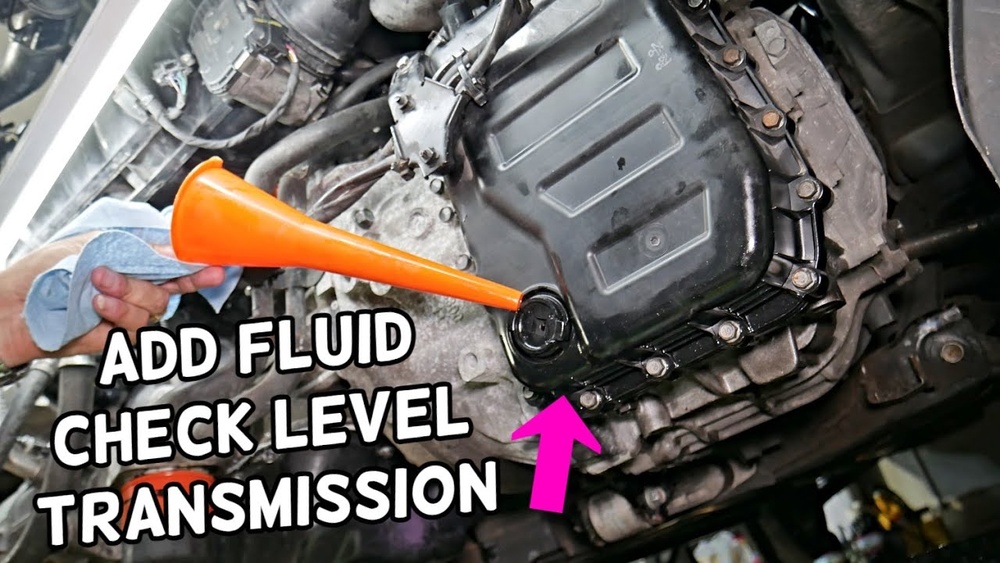
Unlike older vehicles, the 2016 Jeep Patriot uses a sealed automatic transmission. There’s no traditional dipstick under the hood. Instead, the transmission fluid must be checked from underneath the vehicle, using a check/fill plug on the transmission case. This design helps prevent overfilling or contamination, but it means the process is a little more involved.
Step-by-step: How To Check Transmission Fluid
1. Warm Up The Engine
Start your Jeep and let it run for about 10 minutes. This warms the transmission fluid to the correct temperature, which is important for an accurate reading.
2. Park Safely
Turn off the engine. Make sure your Jeep is on level ground, engage the parking brake, and allow the engine to cool just enough so you don’t get burned.
3. Lift The Vehicle
Use a jack to raise the front of your Jeep. Support it securely with jack stands. Never work under a car supported only by a jack.
4. Locate The Transmission Check Plug
Slide under the vehicle. Look for the transmission pan on the driver’s side. The check/fill plug is typically a small hex bolt near the edge of the pan.
5. Prepare For Fluid Drip
Place the catch pan directly under the check plug to catch any fluid that may escape.
6. Remove The Check Plug
Use the correct socket to carefully loosen and remove the plug. Some fluid may drip out—this is normal.
7. Check Fluid Level
If fluid trickles out in a thin stream, the level is correct. If no fluid comes out, the transmission is likely low on fluid. If fluid gushes out, it may be overfilled.
8. Inspect Fluid Condition
Catch some fluid on a clean rag. Healthy transmission fluid is red or pink and smells slightly sweet. Brown, black, or burnt-smelling fluid means it’s time for a change.
9. Reinstall The Plug
Wipe the area clean and reinstall the check plug. Tighten it to the recommended torque in your owner’s manual.
10. Lower The Jeep
Carefully remove the jack stands and lower your Jeep back to the ground.
What If The Fluid Is Low?
If you find the transmission fluid is low, you need to add the correct type of ATF+4 fluid. Here’s how:
- Remove the check plug as before.
- Using a fluid pump, add ATF+4 fluid through the check hole until fluid begins to trickle out.
- Reinstall and tighten the plug.
Never overfill—too much fluid can cause foaming, slipping, or damage.
Transmission Fluid Condition: What To Look For
Not all fluid leaks or discoloration mean immediate trouble, but here’s a quick guide:
| Fluid Color | Condition | Action Needed |
|---|---|---|
| Bright red/pink | Healthy | None |
| Light brown | Worn but acceptable | Monitor |
| Dark brown/black | Burnt | Change fluid |
| Milky | Contaminated with coolant | Check for leaks, service required |
Common Mistakes To Avoid
Many Jeep Patriot owners make small errors that can lead to bigger problems. Here are some common mistakes:
- Not warming up the engine before checking
- Using the wrong type of transmission fluid
- Overfilling or underfilling the transmission
- Failing to tighten the check plug properly (can cause leaks)
- Ignoring dirty or burnt-smelling fluid
When To Check Transmission Fluid
It’s a good idea to check your transmission fluid every 30,000 miles or once a year, whichever comes first. If you tow, drive in hot weather, or notice shifting issues, check more often.
Transmission Fluid Change Vs. Check
Checking fluid tells you the level and condition, but it doesn’t replace old or contaminated fluid. The 2016 Jeep Patriot typically needs a full transmission fluid change every 60,000 miles. If you notice debris, burnt smell, or shifting problems, change the fluid sooner.
Transmission Fluid Types: Which One To Use
The 2016 Jeep Patriot requires Mopar ATF+4 transmission fluid. Using another type can cause shifting problems or damage. Always double-check the specifications in your owner’s manual or confirm with your dealership.
Sealed Transmission Myths
Some believe sealed transmissions never need checking or service. This is a myth. Sealed just means there’s no dipstick, not that the fluid lasts forever. Regular checks and changes are still important for long-term reliability.
How Much Fluid Does The Transmission Hold?
The 2016 Jeep Patriot holds about 7.4 quarts (7 liters) of transmission fluid for a full change, but a check or top-off usually requires much less—often less than a quart. Always add slowly and check frequently to avoid overfilling.
Signs Of Transmission Trouble
Watch for these signs that your transmission fluid might be low or dirty:
- Delayed or rough shifting
- Slipping gears
- Noises or grinding from transmission
- Transmission warning light
If you notice any of these, check your fluid right away and consult a mechanic if problems persist.
Diy Vs. Professional Service
Checking transmission fluid on a sealed system like the 2016 Jeep Patriot is more involved than on older cars. If you’re not comfortable lifting your vehicle or working underneath it, it’s wise to have a professional do the job. Most shops charge a small fee for a check and can spot other issues at the same time.

Comparison: Sealed Vs. Dipstick Transmission Maintenance
Here’s a quick look at how maintenance differs between sealed and traditional dipstick systems:
| Feature | Sealed Transmission | Dipstick Transmission |
|---|---|---|
| Access | Check/fill plug under car | Dipstick under hood |
| Ease of Checking | Moderate to Difficult | Easy |
| Risk of Overfilling | Low | Higher |
| Service Interval | Longer | Varies |
Tools That Make The Job Easier
If you’re going to check your transmission fluid more than once, consider these time-saving tools:
- Transmission fluid pump (for adding fluid in tight spaces)
- Mechanic’s creeper (to slide under the car comfortably)
- Torque wrench (to avoid overtightening the plug)
- OBD-II scanner (to check transmission temperature or error codes)
Two Key Insights Most Miss
- Transmission fluid level is temperature-sensitive. The reading changes as the fluid heats up, so checking at the wrong temperature can give a false result. Always follow the warm-up step.
- A sealed transmission still needs regular attention. Don’t believe the ‘lifetime fluid’ myth. Ignoring checks can shorten your transmission’s life, especially if you drive in tough conditions.
Safety Tips
- Never crawl under a vehicle supported only by a jack.
- Allow the exhaust system to cool to avoid burns.
- Wear gloves and eye protection.
- Clean up any spilled fluid immediately—it’s slippery and harmful to pets and the environment.
Useful Data: Transmission Fluid Service Intervals
| Driving Condition | Recommended Fluid Check | Fluid Change Interval |
|---|---|---|
| Normal | Once a year | 60,000 miles |
| Heavy towing | Every 6 months | 30,000 miles |
| Extreme heat/cold | Every 6 months | 45,000 miles |
When To See A Mechanic
If you see metal shavings in the fluid, experience sudden transmission failures, or can’t access the check plug, don’t hesitate to seek professional help. Some repairs require special tools or procedures only available at a shop.
Resources For Further Reading
For a detailed look at sealed transmissions and maintenance schedules, you can read more at Wikipedia: Automatic transmission fluid.
Frequently Asked Questions
How Often Should I Check Transmission Fluid On A 2016 Jeep Patriot?
It’s best to check once a year or every 30,000 miles. If you drive in tough conditions or notice shifting issues, check more often.
What Type Of Transmission Fluid Does The 2016 Jeep Patriot Use?
Always use Mopar ATF+4. Using other fluids can cause damage or shifting problems.
Can I Check Transmission Fluid Without Lifting The Car?
No. The check/fill plug is underneath the vehicle, so you’ll need to safely lift the car for access.
What Are Signs My Transmission Fluid Is Bad?
Look for dark, burnt-smelling fluid, rough or delayed shifting, or slipping gears. These signs mean it’s time for a change.
Is It Safe For Beginners To Check The Transmission Fluid Themselves?
If you’re comfortable working under a car and follow safety steps, yes. Otherwise, it’s best to ask a professional to avoid injury or mistakes.
Caring for your 2016 Jeep Patriot’s transmission is a smart way to keep your SUV running strong for years. Regular checks and using the right fluid can prevent headaches and save money. With these steps and tips, you’re ready to handle this key maintenance task confidently.