Engaging four-wheel drive (4WD) in a Jeep can turn a regular drive into an adventure. Whether you want to explore off-road trails, handle snow-covered roads, or just understand your vehicle better, knowing how to use 4WD is essential. But the process is not always as simple as pushing a button or moving a lever.
Many drivers make mistakes that can damage their Jeep or leave them stuck. This guide will walk you through the right way to engage four-wheel drive in a Jeep, explain the different systems, and share tips most owners overlook.
Understanding Jeep Four Wheel Drive Systems
Jeeps are famous for their strong 4WD systems, but not all Jeeps work the same way. Some use a part-time 4WD system, while others have a full-time 4WD system or even an all-wheel drive (AWD) option. Knowing which system your Jeep uses is the first step.
Part-time 4wd
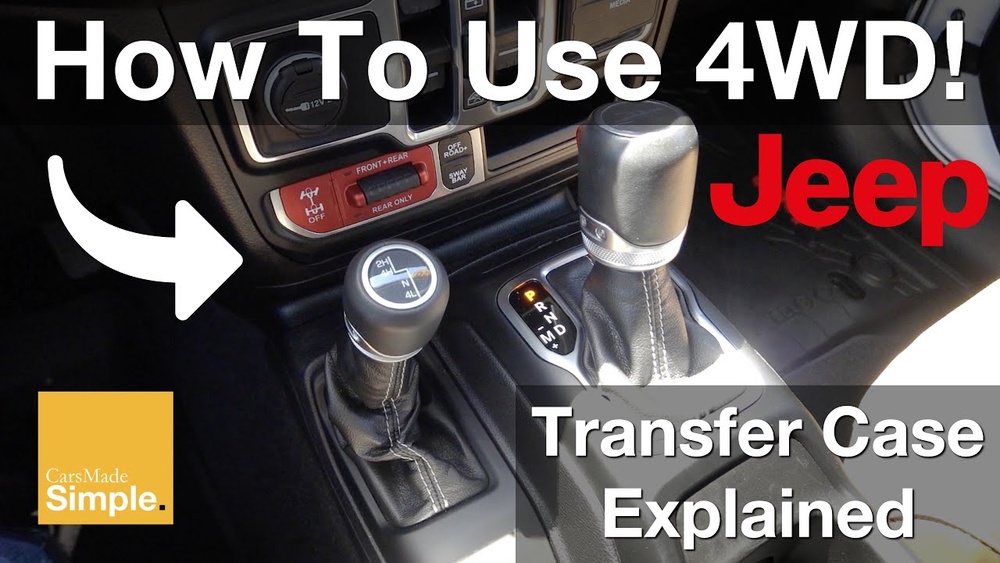
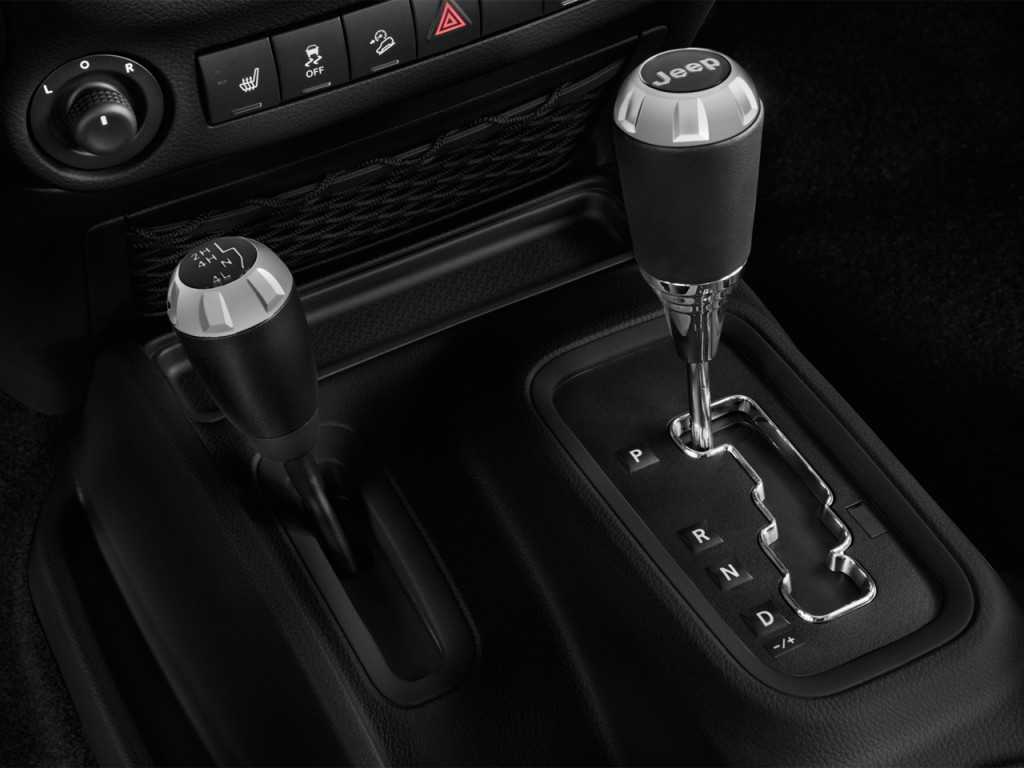
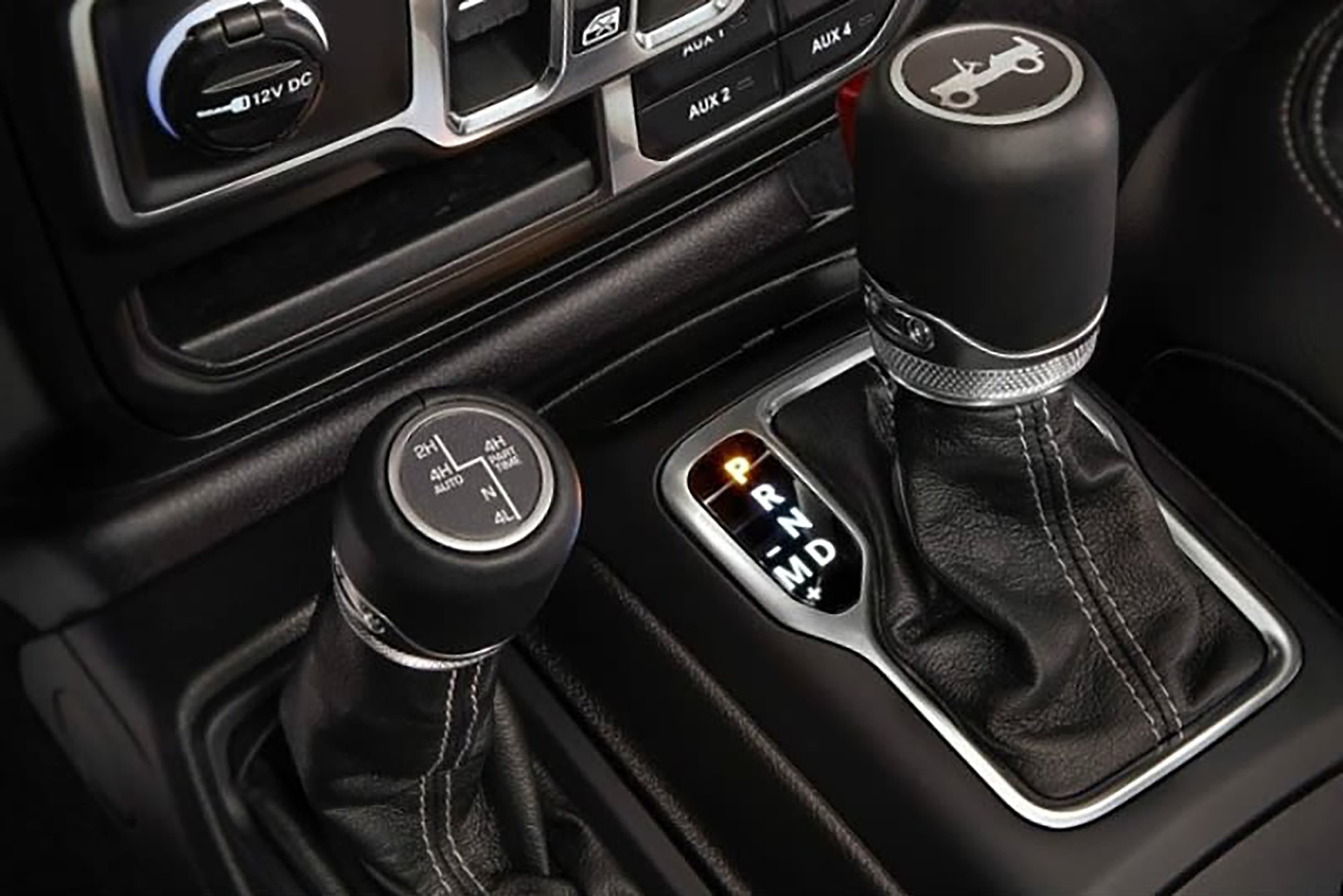
This system is common in models like the Jeep Wrangler and Jeep Gladiator. It’s designed for off-road or low-traction conditions, not regular dry pavement. It has settings like 2H (two-wheel drive high), 4H (four-wheel drive high), and 4L (four-wheel drive low).
Full-time 4wd
Some Grand Cherokee and Cherokee models have this. You can use 4WD on all surfaces. These systems often have an Auto mode, which switches between 2WD and 4WD as needed.
All-wheel Drive (awd)
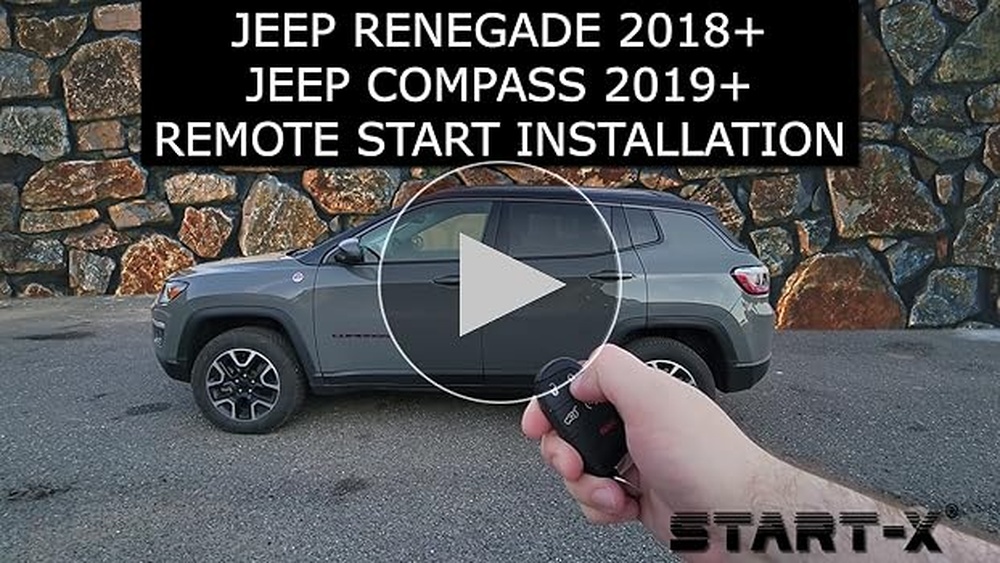
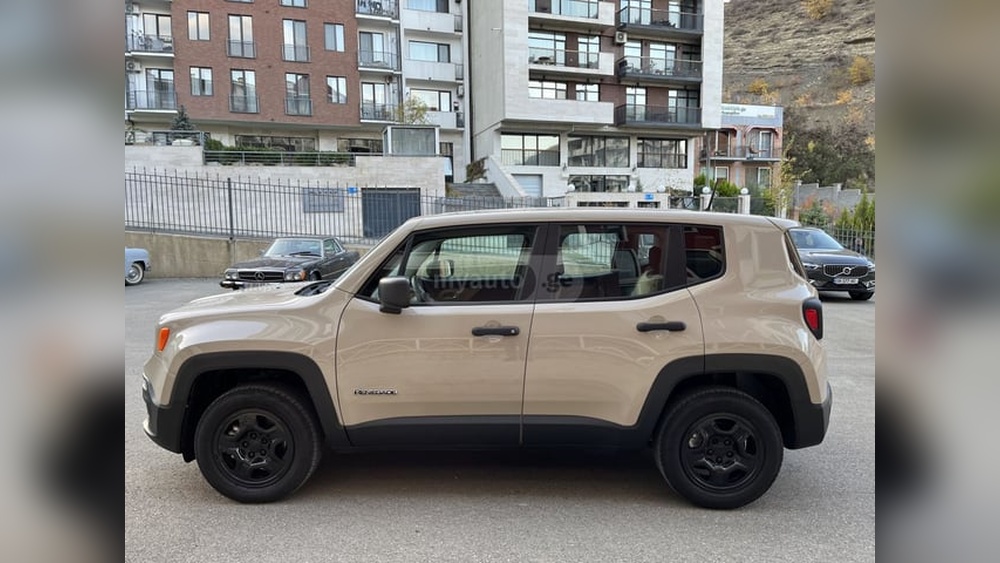
AWD is mostly found in newer models like the Jeep Compass or Renegade. It sends power to all wheels, but you can’t always control when it turns on.
Key Differences Table
To help, here’s a comparison of Jeep 4WD systems:
| System Type | Driver Control | Best For | Pavement Use |
|---|---|---|---|
| Part-Time 4WD | Manual Selection | Off-Road, Snow, Mud | No |
| Full-Time 4WD | Auto/Manual | All Conditions | Yes |
| AWD | Automatic | Wet/Rain, Light Snow | Yes |
Tip: Always check your owner’s manual to confirm your Jeep’s system before using 4WD.
When Should You Engage Four Wheel Drive?
Many drivers ask, “When do I need 4WD? ” The answer depends on the road and weather conditions.
- Slippery surfaces: Snow, ice, loose gravel, mud, and sand.
- Off-road driving: Trails, steep hills, rocks, or deep ruts.
- Heavy rain: Only if you lose traction (for AWD/Full-Time 4WD).
Do not use part-time 4WD on dry pavement. It can damage the drivetrain because these systems need some wheel slip to avoid binding.

How To Engage Four Wheel Drive Jeep: Step-by-step
The process depends on your Jeep model and its 4WD system. Here’s how to engage 4WD in the most common setups.
1. Engaging Part-time 4wd (wrangler, Gladiator, Some Cherokee/grand Cherokee)
2h To 4h (high Range)
- Reduce speed to below 55 mph (ideally under 30 mph).
- Keep the Jeep moving straight; avoid sharp turns.
- Move the 4WD lever or use the 4WD switch from 2H to 4H. Do this smoothly.
- Check for the 4WD indicator light on your dashboard.
You can shift from 2H to 4H “on the fly”—no need to stop.
4h To 4l (low Range)
- Bring the Jeep to a full stop.
- Shift the transmission to Neutral (N).
- Firmly pull the 4WD lever or use the switch from 4H to 4L.
- Wait for the 4WD Low indicator to light up.
- Shift back to Drive (D) or the desired gear, and move forward slowly.
Note: Never shift into 4L while moving. It can cause severe damage.
2. Engaging Full-time 4wd (some Grand Cherokee, Cherokee)
- For models with an Auto mode, you can leave the system in Auto all the time.
- To lock 4WD (if equipped), shift to 4WD Lock or 4L following the same steps as above.
3. Engaging Awd (compass, Renegade)
- Most AWD Jeeps engage automatically. Some have a 4WD Lock button for extra grip—press it when needed (usually at low speed).
Quick Reference: Jeep 4wd Engagement
| Model | Engage 4H | Engage 4L |
|---|---|---|
| Wrangler/Gladiator | Shift lever/switch below 55 mph | Stop, Neutral, shift lever/switch |
| Grand Cherokee (Full-Time) | Auto or switch at any speed | Stop, Neutral, switch |
| Compass/Renegade (AWD) | Automatic or press 4WD Lock | N/A |
Common Mistakes To Avoid
Even experienced drivers sometimes misuse 4WD. Here’s what to watch for:
- Engaging 4WD on dry pavement: This can damage the transfer case and axles. Use only on slippery or loose surfaces.
- Switching to 4L while moving: Always come to a complete stop and shift to Neutral first.
- Forgetting to disengage 4WD: Driving long distances in 4WD (especially 4H or 4L) on normal roads causes extra wear and worse gas mileage.
- Ignoring warning lights: If the 4WD light flashes or doesn’t turn on, check your manual or visit a mechanic.
- Not practicing: Try engaging and disengaging 4WD in a safe place before you need it.
Pro tip: After using 4WD, drive in reverse for a short distance to help “unlock” the system if it feels stuck.
What Happens If You Use 4wd Incorrectly?
Many drivers underestimate the risks. Using 4WD improperly can lead to:
- Transfer case damage: Repairs can cost over $1,000.
- Axle or driveshaft issues: These reduce reliability and safety.
- Poor fuel economy: 4WD uses more fuel—sometimes 10-15% more.
- Difficult steering: On pavement, 4WD can make turning difficult or jerky.
Using 4WD right keeps your Jeep in top shape and avoids costly repairs.
Tips For Using 4wd Effectively
To get the best performance from your Jeep’s 4WD system, keep these strategies in mind:
- Engage before you need it. If you see mud or snow ahead, shift to 4WD before you get stuck.
- Keep speeds moderate. Most Jeeps recommend not exceeding 55 mph in 4H.
- Use 4L for tough conditions only. Steep hills, deep mud, or sand require maximum torque and slow speeds.
- Maintain your 4WD system. Check fluids, especially transfer case oil, every 30,000 miles or as your manual says.
- Practice off-road. Find an empty lot or safe trail to learn how your Jeep responds.
Real-world Examples
To see how this works in practice, consider these examples:
- Jeep Wrangler in snow: Shift to 4H before entering a snowy road. If you get stuck, stop, shift to Neutral, then 4L for extra power.
- Grand Cherokee on wet pavement: Leave the 4WD system in Auto for best traction. No need to switch modes unless you’re off-road.
- Renegade on sand: Use the 4WD Lock button before entering deep sand. Don’t wait until you’re bogged down.
Many Jeep owners learn these tips after getting stuck or damaging their vehicle. Save yourself the trouble by knowing what to do before you need it.
Maintenance For Four Wheel Drive Systems
A well-maintained 4WD system lasts longer and performs better. Here’s what matters:
- Check the transfer case fluid regularly. Low fluid can cause overheating and failure.
- Inspect the 4WD linkage or switches. Make sure they move smoothly and don’t stick.
- Listen for unusual noises when engaging or disengaging 4WD—clunks, grinding, or squeaks signal trouble.
- Use your 4WD system at least once a month, even if just briefly. This keeps seals lubricated and parts moving freely.
Insight: Many Jeep problems happen because drivers never use 4WD until there’s an emergency. Regular use keeps the system healthy.
How To Tell If Four Wheel Drive Is Working
Sometimes it’s hard to know if 4WD is actually engaged. Try these checks:
- Dashboard indicator: Most Jeeps show a light when 4WD is on.
- Feel the steering: In 4WD on loose surfaces, steering feels heavier or less precise.
- Wheel slip test: On gravel, accelerate gently. All four wheels should pull, not just the rear or front.
- Listen for changes: 4WD often makes the Jeep a bit noisier—slight whirring or vibration is normal.
If you suspect 4WD isn’t working, have it checked by a qualified mechanic.
Comparing Jeep Models: 4wd Engagement Features
Different Jeep models offer different ways to control 4WD. Here’s a summary:
| Model | 4WD Control Type | Driver Action Needed | System Name |
|---|---|---|---|
| Wrangler/Gladiator | Lever or switch | Manual shift (2H/4H/4L) | Command-Trac/Rock-Trac |
| Grand Cherokee | Switch/automatic | Auto or select mode | Quadra-Trac/Quadra-Drive |
| Cherokee | Switch/automatic | Auto or select mode | Active Drive |
| Compass/Renegade | Button | Optional 4WD Lock | Active Drive/Active Drive Low |
Extra insight: Some systems like Rock-Trac (Wrangler Rubicon) are designed for extreme off-roading. They offer extra-low gearing and electronic locking differentials, which are not needed for regular snow or mud.
Frequently Asked Questions
How Do I Know If My Jeep Has 4wd?
Check your owner’s manual or look for a 4WD lever or switch near the gear shifter. Your dashboard may also have a 4WD indicator light. If in doubt, your Jeep’s VIN can be checked by a dealer for exact specs.
Can I Switch To 4wd While Driving?
Yes, you can shift from 2H to 4H on most Jeeps at speeds below 55 mph. But you must stop and shift to Neutral to go into 4L. Always follow your manual’s instructions.
Is It Bad To Drive In 4wd All The Time?
With part-time 4WD, yes—it can cause drivetrain damage on dry roads. Full-time 4WD and AWD systems are designed for all-surface use and are safe to use all the time.
What Should I Do If My 4wd Won’t Disengage?
Try driving slowly in reverse for 20–30 feet. This often “unlocks” the system. If the light stays on or the Jeep feels stuck, see a mechanic.
Where Can I Learn More About Jeep 4wd Systems?
You can find detailed information on the official Jeep 4×4 systems page for more technical details and model guides.
Mastering your Jeep’s four-wheel drive gives you confidence, safety, and access to places many vehicles can’t reach. By understanding your system, practicing before you need it, and avoiding common mistakes, you’ll get the most from your Jeep on and off the road.