Taking off the T-tops from your Jeep can be one of the simplest ways to enjoy open-air driving. These removable roof panels, available on models like the Jeep Wrangler with the Freedom Top, give you flexibility to switch between full coverage and open sky. If you’ve never removed your Jeep’s T-tops before, you might feel a little nervous about damaging something or not being able to put them back correctly. The good news: with the right steps, you can remove your T-tops quickly, safely, and without special tools.
Let’s walk through the full process, including preparation, removal, and smart storage. You’ll also find tips that many new Jeep owners miss, so you can avoid scratches, leaks, or broken parts. Whether you’re planning a weekend adventure or just want to feel the wind in your hair, this guide will help you get the most out of your Jeep’s removable roof.
What Are T-tops On A Jeep?
T-tops, often called Freedom Panels on newer Jeeps, are two removable roof sections over the driver and front passenger seats. Unlike a full convertible roof, T-tops let you remove only part of the hardtop, so you can keep the rear covered. This design first appeared in sports cars in the 1970s, but Jeep has made it practical for off-road and daily use.
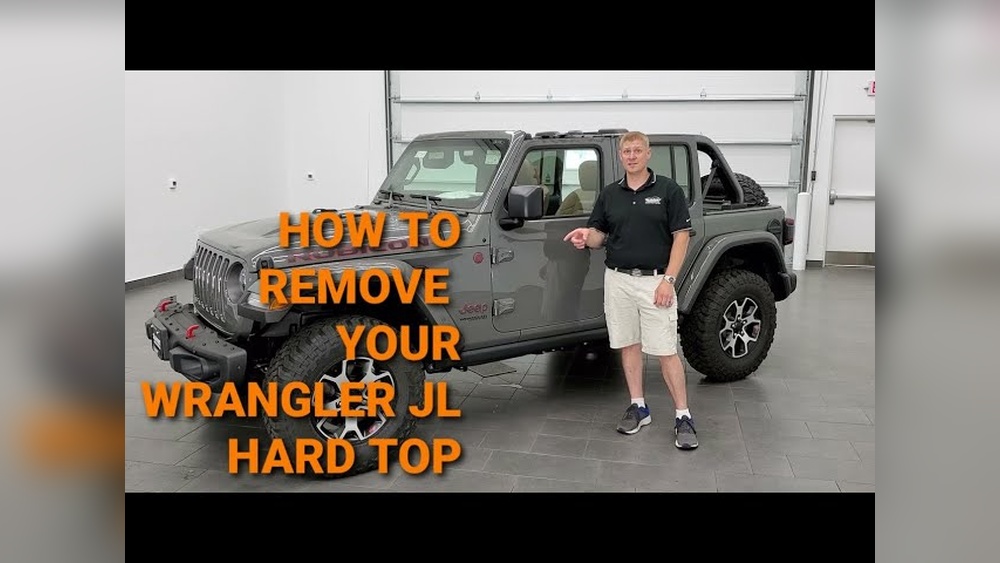
Key benefits of T-tops:
- Quick removal for open-air driving
- Weather protection when installed
- Easy storage compared to full hardtop
Not all Jeep models have T-tops. They are most common on the Wrangler JK (2007-2018), JL (2018–present), and Gladiator trucks with the Freedom Top option.
Tools And Preparation
You don’t need fancy equipment, but a little preparation goes a long way. Here’s what you’ll need:
- Soft cloth or towel: To protect panels from scratches.
- Storage bag: Many Jeeps come with a Freedom Panel storage bag. If you don’t have one, use a blanket or padded surface.
- Gloves: Optional, but helpful for better grip.
- Step stool: Helpful for shorter people or lifted Jeeps.
It’s best to remove T-tops in a flat, safe area. Avoid doing this in high winds, as panels can get damaged if dropped or blown away.

Step-by-step: How To Remove T Tops From Jeep
Removing the T-tops is simple, but missing a step can cause problems later. Here’s how to do it right:
1. Park And Prepare
- Park your Jeep on a flat surface.
- Turn off the ignition.
- If you have a Freedom Top storage bag, lay it out nearby.
2. Open The Front Doors
This gives you space to work and prevents damage to door trim or weather seals.
3. Release Sun Visors
Flip down both sun visors and move them to the sides. This exposes the front latches.
4. Unlock The Latches
There are three latches for each T-top panel:
- Front latch: Near the center windshield area.
- Side latches (2): Along the panel’s edge above the doors.
Pull each latch down until it releases. You should feel them pop slightly.
5. Unscrew The Security Knob
Under each panel, near the center bar (often called the “T-bar”), is a hand-tightened knob. Turn it counterclockwise to loosen and remove it. Keep these knobs somewhere safe.
6. Lift The Panel
Stand outside your Jeep and place one hand under the front edge of the panel and the other at the back edge. Gently lift up, tilting the panel to clear the Jeep’s frame. The panel should come off smoothly without force.
Important: The panels are lightweight but can be awkward. If you’re small or have mobility issues, ask for help.
7. Repeat For The Other Side
Follow the same steps for the passenger side panel.
8. Store The Panels
If you have a storage bag, slide each panel into a separate pocket, with the weather seal facing each other to prevent damage. Otherwise, wrap them in a blanket and place them flat in your trunk or backseat.
Here’s a quick comparison of storage options:
| Storage Method | Protection Level | Space Needed | Recommended? |
|---|---|---|---|
| Official Bag | High | Medium | Yes |
| Blanket/Towel | Medium | Low | Good backup |
| Loose in Trunk | Low | High | No |
Reinstalling The T-tops
Putting your panels back on is easy if you follow the correct order. This is important for a tight, leak-free fit.
- Clean the seals: Wipe dust or grit from the rubber seals on the panels and roof. Dirt can cause leaks.
- Align the panels: Place each panel on the roof, making sure it sits flush in the frame.
- Install the security knob: Tighten by hand until snug.
- Latch the side and front latches: Push until you hear a click.
- Flip up sun visors: Return them to their normal position.
- Check for gaps: Look around the edge of each panel. If you see light or feel a draft, reseat the panel.
If you hear wind noise or notice water inside after rain, check if the panels are seated and latched fully.

Common Mistakes And How To Avoid Them
Many new Jeep owners make the same errors when removing or reinstalling T-tops. Here are some pitfalls and ways to avoid them:
- Forgetting the security knob: If you don’t remove the center knob, the panel won’t lift off and you can crack the plastic.
- Dropping the panel: The panels are durable but can chip if dropped on concrete. Always hold firmly and never balance them on the Jeep’s roll bar.
- Mixing up the panels: Each panel is shaped for a specific side. Check for L (left) and R (right) labels on the underside.
- Pinched weather seals: If a seal folds over, you may get leaks. Smooth them out before reinstalling.
- Over-tightening knobs: Hand-tight is enough. Too much force can strip the threads.
Seasonal And Weather Tips
Jeep owners often remove T-tops more in spring and summer, but there are things to consider year-round.
- Cold weather: The plastic and seals can get stiff in low temperatures. Remove panels slowly to avoid breaking clips or seals.
- Rainy season: Always reinstall panels before heavy rain. Even a small gap can cause water leaks.
- Sun exposure: Prolonged sun can fade panels. Use the storage bag or cover panels if they’ll sit outside.
Cleaning And Maintenance
Keeping your T-tops clean will help them last and prevent leaks.
- Wash with mild soap and water: Avoid harsh chemicals that can damage seals.
- Inspect seals regularly: Look for cracks or tears. Replace if needed to keep your Jeep watertight.
- Lubricate latches: A small amount of silicone spray on moving parts will keep them working smoothly.
Here’s a breakdown of cleaning products and their uses:
| Product | Use | Safe for Seals? |
|---|---|---|
| Mild car soap | Panel surface | Yes |
| Silicone spray | Latches/seals | Yes |
| Glass cleaner | Window panels | Yes |
| Solvents (acetone, etc.) | Do not use | No |
Non-obvious Tips For Smooth Removal
Even experienced Jeep owners sometimes overlook these details:
- Install panels in the shade: Sun-heated panels can expand, making them harder to fit or remove. Work in the shade when possible.
- Mark the front edge: If you remove panels often, use a small sticker to mark the front edge. This helps you orient them quickly.
- Check latch alignment: If a latch feels stiff, make sure the panel is fully seated before forcing it.
- Store panels vertically if possible: If you have limited trunk space, standing panels up in the storage bag prevents warping.
When To Avoid Removing T-tops
There are times when it’s better to leave your T-tops in place:
- Before driving at high speed for long periods: The open roof can create strong wind buffeting and noise.
- During off-road trips in dusty areas: Fine dust can get everywhere with the roof off.
- When carrying valuable items: Open roofs can make your Jeep an easy target for thieves.
Quick Reference: Removal Vs. Full Hardtop
Some Jeep owners wonder whether to just remove the T-tops or take off the entire hardtop. Here’s a quick comparison:
| Feature | T-Tops Only | Full Hardtop |
|---|---|---|
| Time Needed | 1–2 minutes | 15–30 minutes |
| Tools Required | None | Socket wrench, friends |
| Open-Air Feel | Front seats only | Full cabin |
| Storage Needs | Small | Large |
Real-world Example
Jessica, a first-time Jeep Wrangler owner, wanted to enjoy a sunny day with the T-tops off. She skipped reading the manual and tried to pull the panel out by force, breaking a latch. After learning the correct method, she realized the whole job takes less than two minutes and her panels have stayed damage-free since.
Additional Resources
For visual learners, the official Jeep website has helpful video guides and maintenance tips. Check out the Jeep Owner Support page for more information.

Frequently Asked Questions
How Do I Know If My Jeep Has T-tops?
Most modern Jeep Wranglers with the Freedom Top have T-tops. Look for two removable panels over the driver and passenger seats. Your owner’s manual or the label on the roof frame will confirm the model.
Can I Remove T-tops By Myself?
Yes, most people can remove T-tops alone, as each panel weighs about 10–15 pounds. If you’re shorter or have a lifted Jeep, a step stool helps. Having a friend makes it even easier.
Will Removing T-tops Cause Leaks?
Not if you reinstall them correctly. Always clean the seals, check for debris, and make sure all latches and knobs are tight. If you notice water or wind noise, reseat the panels.
What’s The Difference Between T-tops And A Full Hardtop Removal?
T-tops remove only the front panels, giving open-air access to the driver and front passenger. Full hardtop removal opens the whole cabin but takes more time, tools, and storage space.
How Should I Store T-tops When Not In Use?
The best way is to use the official storage bag, keeping panels separated and protected. If you don’t have one, wrap each panel in a soft towel or blanket and lay them flat or stand them vertically in the trunk.
Enjoying the open sky is one of the best parts of Jeep ownership. With a little practice, removing and reinstalling your T-tops will feel like second nature. Take care of your panels, follow the steps above, and you’ll be ready for adventure any time the sun comes out.