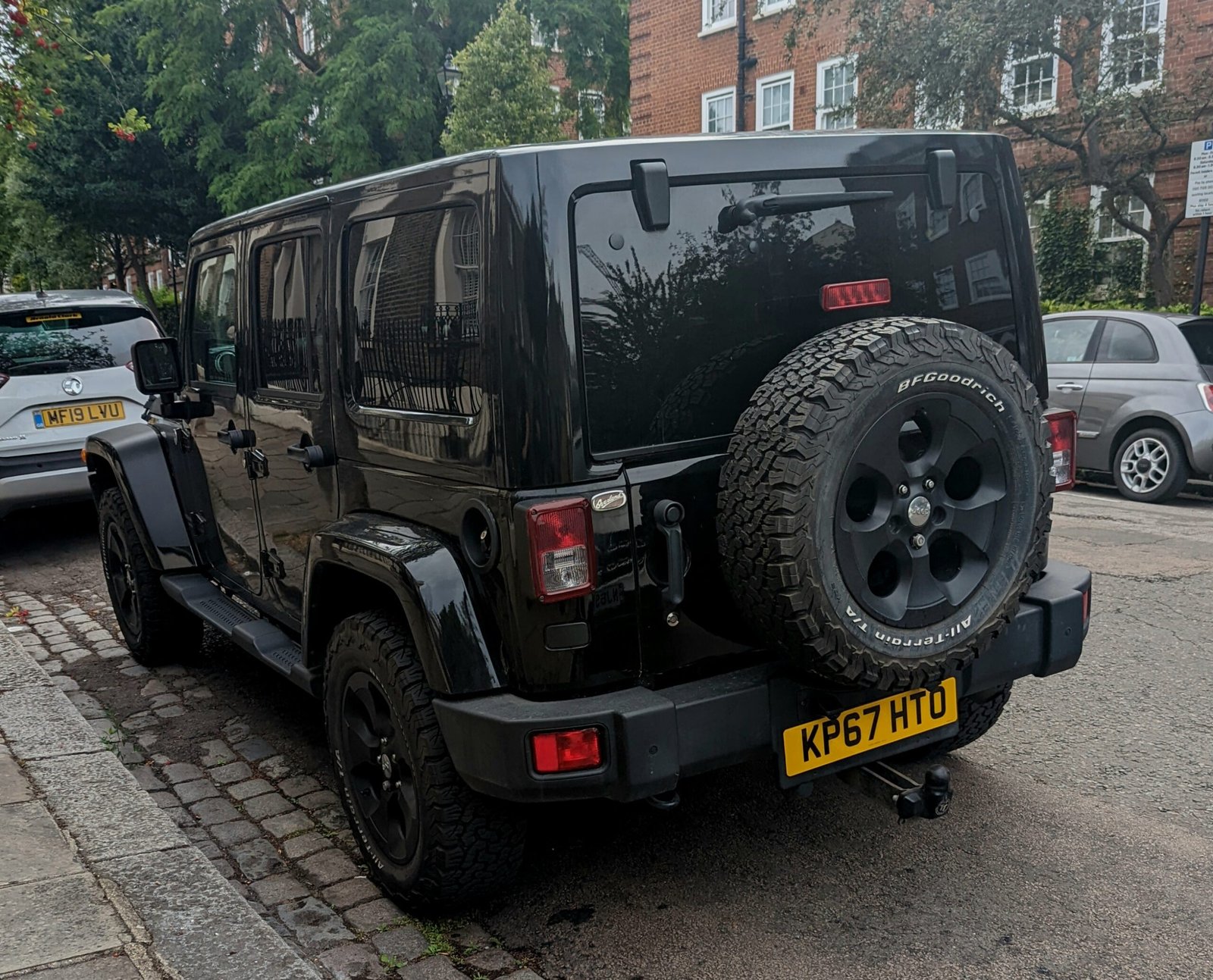
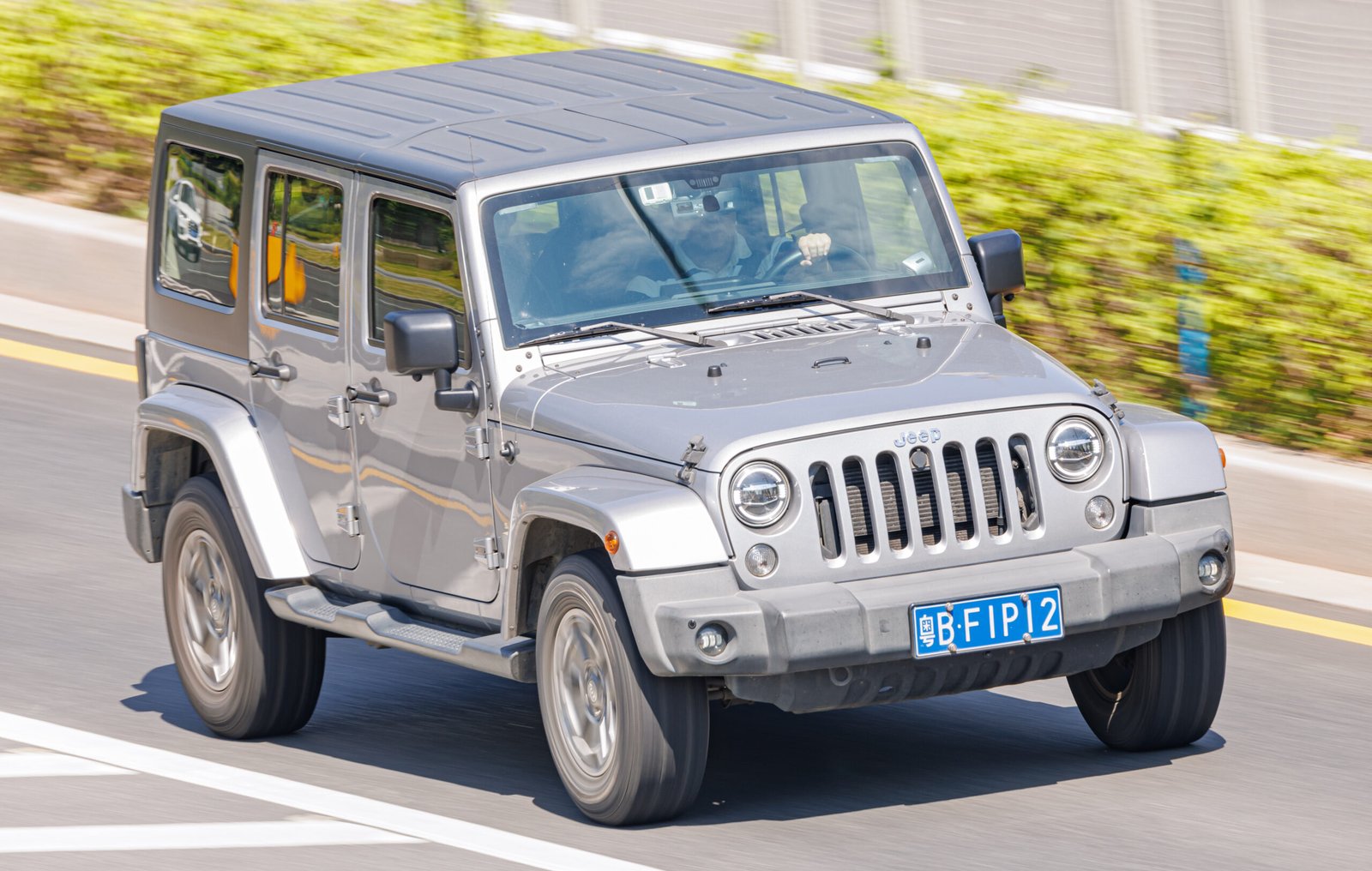
Owning a Jeep with 4 wheel drive brings confidence on rough roads, mud, sand, snow, and rocky trails. But shifting between drive modes can be confusing, especially for new owners. Using 4WD wrong can damage your Jeep or leave you stuck. In this guide, you’ll learn exactly how to shift your Jeep’s 4 wheel drive, the four main modes, and when to use each. You’ll also see comparisons, real-life examples, and practical tips that most beginners miss.
Understanding Jeep 4 Wheel Drive Modes
Jeep vehicles, especially models like the Wrangler, Cherokee, and Grand Cherokee, offer several 4WD modes. Each mode is designed for a specific driving situation. Knowing the difference is key to safe and effective use.
Most modern Jeeps have four main drive modes:
- 2H (Two Wheel Drive High)
- 4H (Four Wheel Drive High)
- 4L (Four Wheel Drive Low)
- Auto (Automatic 4WD)
Let’s break down each mode and how to shift into them.
1. Shifting To 2h (two Wheel Drive High)
2H is the default mode for most Jeep drivers. In this setting, only the rear wheels get power. It’s best for regular roads and highways.
When To Use 2h
- Driving on dry, paved roads
- Everyday city or highway driving
- When you want best fuel efficiency
How To Shift Into 2h
- Make sure your Jeep is stopped or moving slowly (under 55 mph).
- Locate the 4WD shift lever or knob. This is usually beside the gear shifter or on the dashboard.
- Move the lever or turn the knob to 2H.
- Most Jeeps let you shift between 2H and 4H “on the fly”—no need to stop fully.
Practical Insight
Many drivers forget that staying in 4WD on dry pavement can cause wear on the drivetrain and tires. Always switch back to 2H after off-road or slippery conditions.

2. Shifting To 4h (four Wheel Drive High)
4H is for situations where you need extra traction but not extreme torque. In 4H, all four wheels receive power equally.
When To Use 4h
- Driving on snow, mud, gravel, or sand
- Light off-roading
- Wet or slippery roads
How To Shift Into 4h
- You can shift from 2H to 4H while moving (under 55 mph).
- Simply move the shift lever or turn the knob to 4H.
- The 4WD indicator light will turn on.
Example
If you’re driving on a snowy highway and notice slipping, switch to 4H for better control. Remember, once you return to dry pavement, shift back to 2H.
Common Mistake
Some new drivers stay in 4H all the time. This causes unnecessary wear and lowers fuel efficiency. Use 4H only when you need extra traction.
3. Shifting To 4l (four Wheel Drive Low)
4L is for tough situations. It gives maximum power and torque, but limits speed. Use 4L for steep hills, deep mud, rocks, or towing heavy loads.
When To Use 4l
- Steep inclines or declines
- Deep mud or sand
- Rock crawling
- Towing heavy trailers in tough terrain
How To Shift Into 4l
- Stop your Jeep completely. Keep your foot on the brake.
- Shift the transmission to Neutral (N).
- Move the 4WD lever or knob to 4L.
- Wait for the 4L indicator light.
Example
If you’re climbing a rocky hill, 4L helps keep your wheels turning slowly but powerfully. This prevents slipping and lets you crawl over obstacles.
Pro Tip
Never shift to 4L while driving fast. This can damage the transfer case. Always stop and shift to neutral before moving into 4L.
4. Shifting To Auto (automatic 4wd)
Some modern Jeeps, like the Grand Cherokee, have an Auto mode. In this setting, the Jeep decides when to use 2WD or 4WD, depending on road conditions.
When To Use Auto
- Mixed driving conditions (wet, dry, mild off-road)
- Drivers who want simplicity
How To Shift Into Auto
- You can select Auto at any speed.
- Turn the knob or press the button for Auto mode.
- The system will shift as needed.
Example
If you’re unsure whether the road ahead is slippery or dry, choose Auto. The Jeep will adjust automatically for best traction.
Insight Most Beginners Miss
Auto mode is great for convenience. But in very tough conditions (deep mud, rocks), manual 4L may give better control.
Comparison: Jeep 4wd Modes
To see how each mode stacks up, here’s a simple comparison:
| Mode | Best For | Speed Range | How to Shift |
|---|---|---|---|
| 2H | Normal roads | Any speed | On the fly |
| 4H | Snow, mud, sand | Up to 55 mph | On the fly |
| 4L | Steep, tough terrain | Low speeds only | Stop & shift to Neutral |
| Auto | Mixed, unknown conditions | Any speed | On the fly |
Key Steps For Safe Shifting
Whether you’re new to Jeeps or experienced, safe shifting is critical. Here’s a step-by-step summary:
- Know your Jeep’s system. Not all models have Auto mode. Check your owner’s manual.
- Shift at the right speed. Only shift to 4L when stopped and in Neutral.
- Watch for indicator lights. These confirm the mode is engaged.
- Use modes wisely. Staying in 4WD when not needed can hurt your Jeep.
Common Problems And How To Avoid Them
Many Jeep owners face issues when shifting 4WD. Most problems happen because of incorrect shifting or ignoring maintenance.
Problem: Grinding Noise When Shifting
This usually means you’re trying to shift into 4L without stopping or without being in Neutral. Always follow the correct steps.
Problem: 4wd Indicator Won’t Turn On
Sometimes, the indicator light doesn’t come on. This could mean the mode isn’t engaged, or there’s a sensor issue.
Problem: Difficulty Returning To 2h
If you’re stuck in 4H or 4L, try:
- Stopping the vehicle
- Shifting to Neutral
- Moving the lever to 2H
- Waiting for the light to change
If this fails, consult your Jeep dealer or mechanic.
Data: Jeep 4wd Failure Rates
According to the National Highway Traffic Safety Administration, less than 3% of Jeep owners report serious 4WD failures. Most issues are caused by improper shifting.
Real-life Example: Off-roading In Colorado
Imagine you’re driving a Jeep Wrangler in the Colorado mountains. The trail starts dry, so you’re in 2H. Suddenly, you hit loose gravel. You shift to 4H while moving. Later, you face a steep, rocky climb. You stop, shift to Neutral, then engage 4L. At the top, the road becomes smooth again. You shift back to 2H. This approach keeps your Jeep safe and maximizes performance.
Table: Fuel Economy By 4wd Mode
Driving in 4WD uses more fuel than 2WD. Here’s a quick look:
| Mode | Average MPG (Jeep Wrangler) | Notes |
|---|---|---|
| 2H | 21 | Best for highway |
| 4H | 17 | Extra traction uses more fuel |
| 4L | 14 | Low speeds, tough terrain |
| Auto | 19 | Varies with conditions |
Table: Tire Wear By Drive Mode
Improper use of 4WD affects tire life. See the data below:
| Mode | Estimated Tire Life (miles) | Wear Rate |
|---|---|---|
| 2H | 45,000 | Normal |
| 4H | 35,000 | Moderate |
| 4L | 30,000 | High |
| Auto | 40,000 | Variable |
Tips For Smooth 4wd Operation
Most manuals cover basic shifting. But here are some practical tips many Jeep owners miss:
- Check tires regularly. Mismatched tires make 4WD less effective and can damage your Jeep.
- Practice shifting in a safe area before heading off-road.
- Listen for noises. Grinding or clunking means something is wrong.
- Don’t force the lever. If it’s hard to shift, stop and try again.
- Keep the transfer case serviced. Dirty fluid leads to shifting problems.
- Know your model. Newer Jeeps have electronic controls; older ones use manual levers.

How Weather Affects 4wd Shifting
Cold weather can make shifting harder, especially in older Jeeps. Warm up your vehicle before shifting, and avoid forcing the lever. In rainy conditions, 4H helps prevent sliding, but switch back to 2H as soon as roads dry.
Maintenance For Jeep 4wd Systems
Maintaining your Jeep’s 4WD system is crucial. Neglecting it can cause expensive damage.
Key Maintenance Steps
- Change transfer case fluid every 30,000 miles
- Inspect driveshafts and CV joints for wear
- Check 4WD indicator lights regularly
- Listen for abnormal noises when shifting
If you’re unsure, ask your mechanic to inspect the 4WD system during regular service.
Safety Reminders
Never use 4WD on dry pavement for extended periods. This strains the drivetrain and tires. If your Jeep has a locking differential, use it only in tough off-road situations. Always slow down before shifting between modes.
Why 4wd Matters For Jeep Owners
Jeep’s 4WD system is famous for off-road ability. But it also helps in daily life—on snow, rain, or poor roads. Knowing how to shift correctly keeps your Jeep running smoothly and protects your investment.
For more in-depth technical details, see the official Jeep Owners Vehicle Care page.

Frequently Asked Questions
How Fast Can I Drive In 4h Mode?
You can drive up to 55 mph in 4H. Above this speed, shift back to 2H to avoid damage.
Can I Shift To 4l While Driving?
No. Always stop the Jeep and shift to Neutral before moving into 4L.
What Happens If I Use 4wd On Dry Pavement?
Using 4WD on dry roads causes tire wear and strains the drivetrain. It also reduces fuel efficiency.
How Often Should I Service My Jeep’s 4wd System?
Service the transfer case fluid every 30,000 miles, and inspect the system during regular maintenance.
Do All Jeeps Have Auto Mode?
No. Only some models, like the Grand Cherokee, have Auto 4WD. Check your owner’s manual for details.
Learning how to shift your Jeep’s 4 wheel drive gives you confidence on any road. With these steps, tips, and examples, you’ll get the most from your Jeep—while keeping it safe and reliable for years to come.