Are Jeep V6 Engines Reliable?
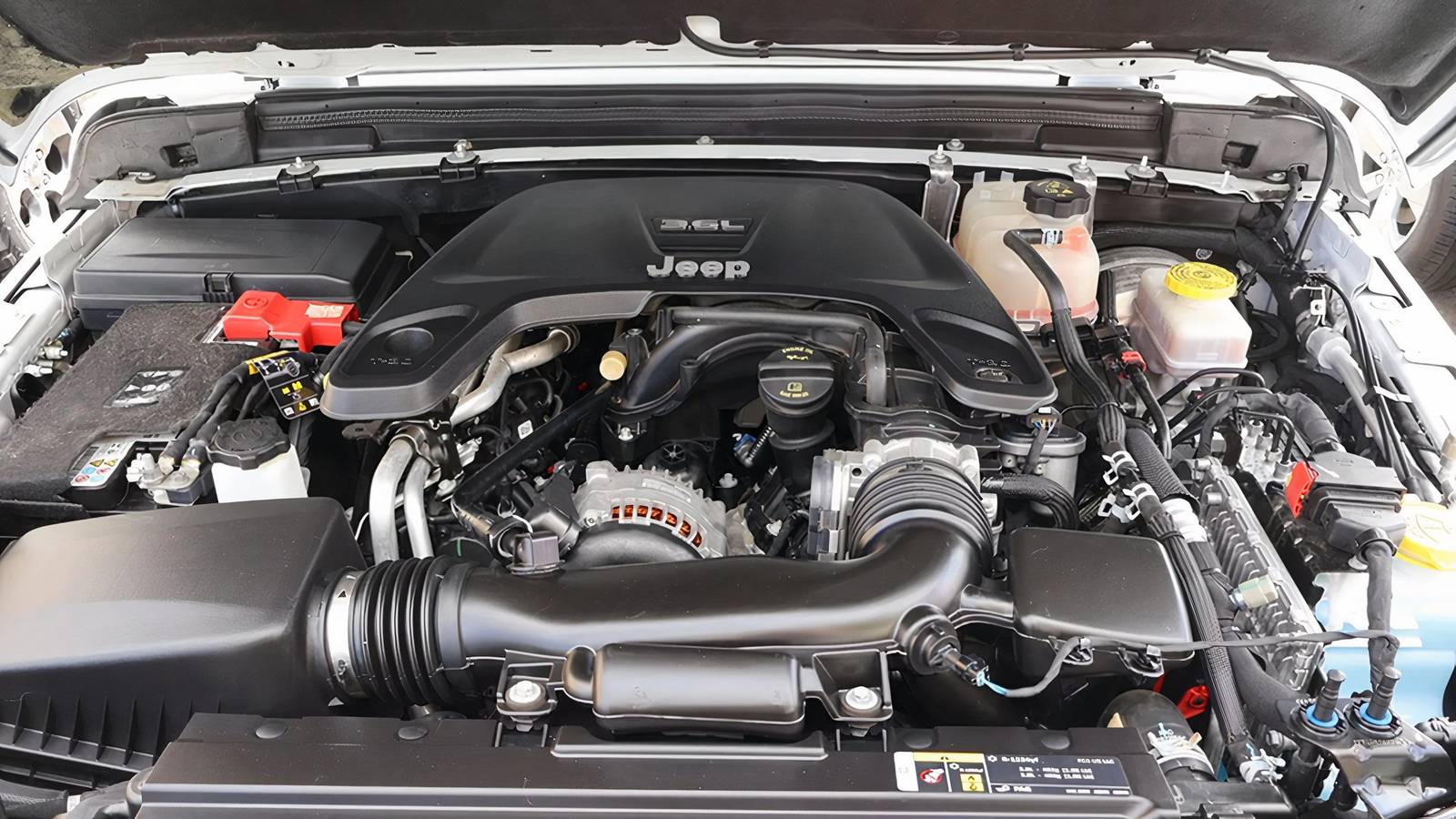
Jeep is famous for its rugged vehicles, and the V6 engine is a popular choice in many models. Drivers often wonder if Jeep V6 engines are reliable, especially since reliability affects how long your vehicle lasts, how much you spend on repairs, and how confident you feel on the road. If you’re considering a Jeep or already own one, understanding the reliability of its V6 engines is important. This article explores the key aspects of Jeep V6 reliability, covering six critical items: longevity, maintenance, performance, common issues, fuel economy, and resale value. You’ll find real data, practical examples, and clear advice to help you decide if a Jeep V6 is right for you.
Longevity
A reliable engine should last many years and miles. Jeep’s V6 engines, such as the Pentastar 3.6L, are often reported to reach over 200,000 miles with proper care. According to industry reports, most owners experience few major engine failures within the first 100,000 miles.
Some drivers report their Jeeps lasting over 15 years. One non-obvious tip: Regular oil changes and using quality filters can extend engine life much more than skipping maintenance. While Jeep V6 engines are built strong, neglecting routine care is a common mistake that leads to early wear.
Longevity Comparison
Here’s how Jeep V6 longevity compares to other popular SUVs:
| Engine | Average Lifespan (Miles) | Major Repairs Before 100k Miles |
|---|---|---|
| Jeep 3.6L V6 | 200,000+ | Rare |
| Toyota 3.5L V6 | 250,000+ | Very Rare |
| Ford 3.5L V6 | 180,000+ | Occasional |
Maintenance
Reliability depends on how easy and affordable it is to keep the engine running well. Jeep V6 engines are generally easy to maintain. Basic parts like spark plugs, filters, and belts are widely available and not expensive.
Maintenance costs for Jeep V6 engines are usually lower than for turbo engines. For example, average annual maintenance is about $500–$700. Common tasks include oil changes every 5,000 miles and replacing air filters every 15,000 miles.
Two practical tips: Use the recommended oil grade, and don’t skip coolant flushes. Many owners miss these steps, leading to overheating or engine damage.
Maintenance Cost Comparison
| Engine | Annual Maintenance Cost | Parts Availability |
|---|---|---|
| Jeep 3.6L V6 | $600 | High |
| Toyota 3.5L V6 | $550 | Very High |
| Ford 3.5L V6 | $650 | High |
Performance
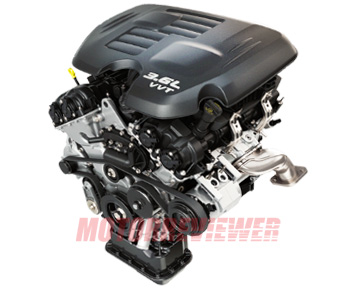
Jeep V6 engines offer a balance between power and reliability. The 3.6L Pentastar V6 produces about 285 horsepower and 260 lb-ft of torque. This means you get strong acceleration and enough power for towing and off-road driving.
Owners praise the engine for smooth performance in city and highway conditions. For example, the Jeep Wrangler V6 can tow up to 3,500 pounds, which is enough for small trailers or boats. Some V6 models feel less powerful in steep climbs compared to turbo engines, but most users find the performance more than adequate.
One insight: The V6’s naturally aspirated design means fewer turbo-related problems, which adds to reliability.
Common Issues
No engine is perfect, and Jeep V6 engines have some common issues. The most reported problems include:
- Oil leaks from the oil filter housing (especially on 2012–2018 models).
- Ticking noise from the engine, usually caused by worn rocker arms.
- Coolant leaks due to faulty water pumps.
- Sensor failures, such as the camshaft or crankshaft sensors.
These issues are usually not expensive to fix. For example, oil filter housing replacement costs around $300. Most problems happen after 60,000 miles and can be prevented by regular inspection.
A tip most beginners miss: Address small leaks early to avoid costly repairs. Ignoring minor issues often leads to bigger problems.
Common Issue Frequency
| Issue | Average Repair Cost | Frequency (per 100 Jeeps) |
|---|---|---|
| Oil Filter Housing Leak | $300 | 15 |
| Ticking Noise | $400 | 10 |
| Coolant Leak | $350 | 8 |
| Sensor Failure | $250 | 5 |
Fuel Economy
Jeep V6 engines are not the most fuel-efficient, but they offer reasonable numbers for their size. The 3.6L V6 in a Jeep Wrangler gets about 17 mpg in the city and 25 mpg on the highway. In the Grand Cherokee, the numbers are slightly better: 19 mpg city, 26 mpg highway.
Compared to four-cylinder engines, the V6 uses more fuel, but it’s more efficient than older Jeep engines. If you drive mostly in the city, expect to fill up more often. For long highway trips, the V6’s fuel economy is competitive.
One detail many miss: Using premium gas doesn’t improve performance or mileage—Jeep V6 engines are designed for regular fuel.
Resale Value
Resale value is a good measure of reliability. Jeeps with V6 engines hold value well, especially models like the Wrangler and Grand Cherokee. For example, after five years, a Jeep Wrangler V6 retains about 60% of its original value.
Buyers trust the V6 because it’s proven and easy to repair. A Jeep with a V6 engine will often sell faster than one with a turbo engine or older inline engines. Keeping maintenance records helps boost resale value.
Some buyers skip checking service history, which is a mistake. Always ask for maintenance records when buying used.
Frequently Asked Questions
Are Jeep V6 Engines Expensive To Repair?
Most repairs are affordable compared to turbo engines. Common issues like oil leaks or sensor failures cost between $250 and $400.
How Does Jeep V6 Reliability Compare To Toyota Or Ford?
Jeep V6 engines are strong, but Toyota V6 engines are often rated higher for longevity. Ford V6 engines are similar to Jeep but can have more turbo-related problems. See Consumer Reports for detailed comparisons.
What Is The Most Common Problem With Jeep V6 Engines?
The most common issue is oil filter housing leaks. This is mainly seen in older models but can be fixed easily.
Is It Safe To Buy A High-mileage Jeep V6?
Yes, if it has regular maintenance records. Many Jeep V6 engines last well over 150,000 miles with proper care.
Does Fuel Type Affect Reliability?
No, Jeep V6 engines run best on regular unleaded gas. Using premium fuel does not improve reliability or performance.
Jeep V6 engines have proven themselves as reliable choices for drivers wanting power, easy maintenance, and good resale value. While they are not perfect, their common problems are manageable and costs are reasonable. If you follow regular maintenance and look for good service history, a Jeep V6 engine can be a dependable partner for many years.