If you love taking your Jeep JK off-road, you’ve probably heard about bump stops. These small but important parts play a big role in how your suspension handles rough terrain. Without them, you risk damaging your shocks, springs, or even the Jeep’s frame during big bumps. Installing bump stops is a smart upgrade for any JK owner who wants more protection and better ride quality. This guide will show you how to install bump stops on your Jeep JK, with clear steps, helpful tips, and common mistakes to avoid.
What Are Bump Stops And Why Are They Important?
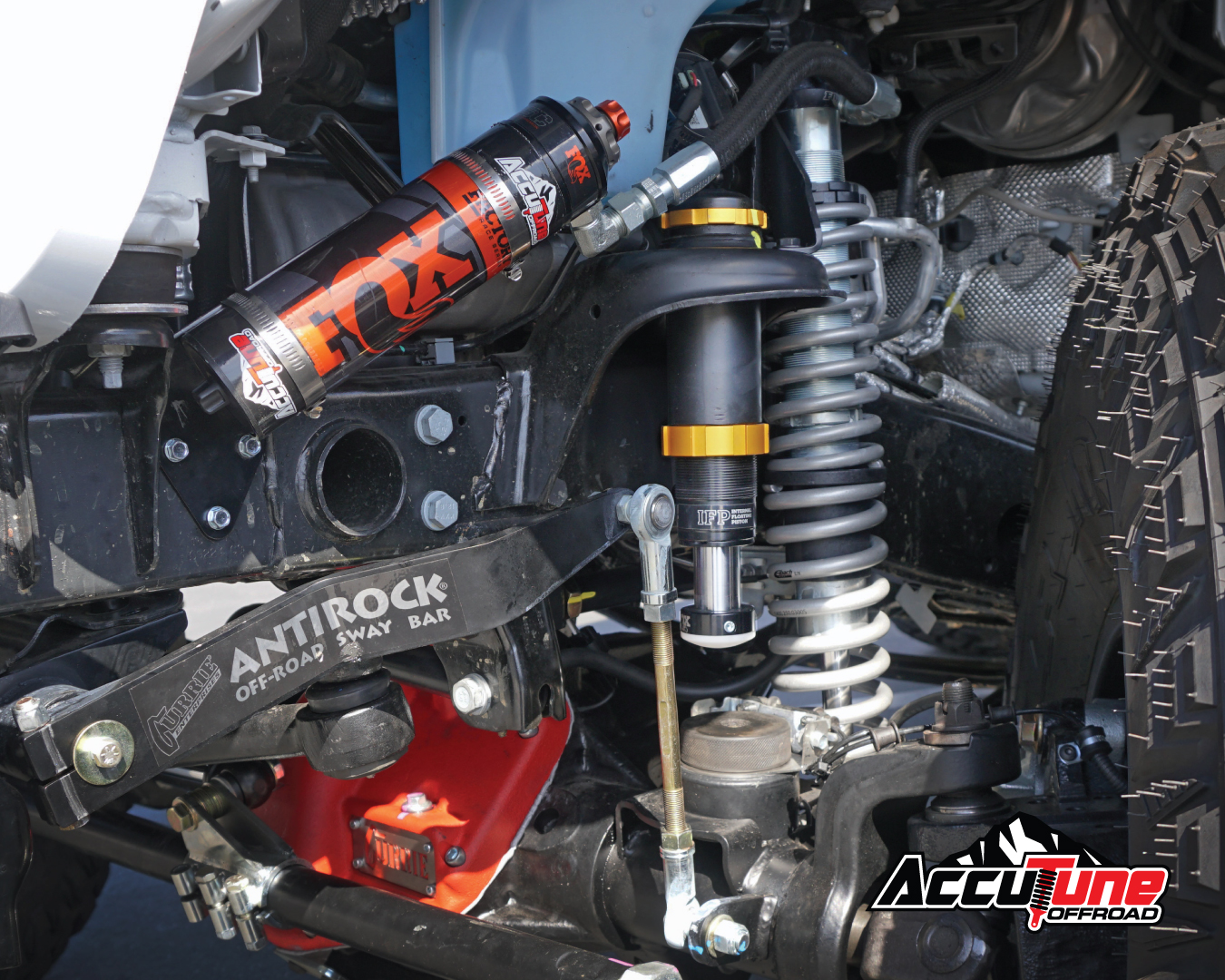
Bump stops are like soft cushions for your suspension. They control how much your wheels move up when you hit a bump, preventing your suspension from bottoming out. Bottoming out is when your suspension moves so far that metal parts hit each other. This can cause loud noises, uncomfortable rides, and expensive damage.
Here’s why bump stops matter:

- Protect suspension components: They stop your shocks and springs from going too far.
- Improve off-road safety: On trails, they help keep your wheels on the ground.
- Better handling: Your Jeep feels more controlled over rocks or speed bumps.
- Longer life for parts: Good bump stops mean less wear and fewer repairs.
Types Of Bump Stops For Jeep Jk
There are several bump stop options for the Jeep JK. Each has its pros and cons. Knowing the difference helps you choose the right one for your needs.
| Type | Material | Best For | Durability |
|---|---|---|---|
| Rubber | Rubber | Daily driving, mild off-road | Moderate |
| Polyurethane | Polyurethane | Off-road, lifted Jeeps | High |
| Hydraulic/Air | Metal & Fluid | Extreme off-road, racing | Very High |
- Rubber bump stops: Most affordable, but wear out faster.
- Polyurethane bump stops: Popular for lifts; tougher and last longer.
- Hydraulic bump stops: Used in high-performance off-roading; expensive but smooth.
Most Jeep JK owners use polyurethane bump stops for a good balance of cost and performance.
Tools And Parts You’ll Need
Before you start, gather the right tools and parts. This saves time and keeps the job smooth.
- Floor jack and jack stands
- Lug wrench
- Socket set (metric and SAE)
- Pry bar or large screwdriver
- Hammer (rubber mallet preferred)
- New bump stops (check your lift kit for size)
- Grease or silicone spray
- Torque wrench
For some kits, you may need a drill, saw, or special spacers. Read your bump stop instructions first.
How To Install Bump Stops On Jeep Jk
This guide covers front and rear bump stop installation. Always work on a flat, stable surface and take safety seriously.
1. Prepare Your Jeep
- Loosen the lug nuts on the wheels where you’ll work.
- Lift the Jeep using a floor jack. Place jack stands under the frame for safety.
- Remove the wheels for better access.
2. Remove Old Bump Stops
Front bump stops are inside the coil springs.
- Use a pry bar to pop out the old bump stop from the cup above the spring.
- Sometimes, bump stops are stuck. Spray a little silicone or grease to help.
Rear bump stops are often bolted or pressed into a bracket above the axle.
- Remove any bolts holding the stop. Tap out the bump stop with a mallet if needed.
3. Install New Bump Stops
- Front installation: Place new bump stop into the coil spring cup. Some need a strong push or a tap with a mallet. Grease helps slide them in.
- Rear installation: Bolt or press the bump stop into the bracket. For extended bump stops, add spacers as required by your lift kit.
If installing longer bump stops (for lifted Jeeps), check the instructions for cutting or drilling steps.
4. Reassemble And Double-check
- Put the wheels back on and hand-tighten lug nuts.
- Lower the Jeep and torque the lug nuts to factory specs.
- Double-check bump stops are secure and nothing rubs or moves.
5. Test Suspension Travel
Slowly bounce or push each corner by hand. Listen for odd noises. Take a short test drive over bumps to ensure smooth action.

Common Mistakes And How To Avoid Them
Even simple installs can go wrong. Watch out for these common errors:
- Wrong bump stop length: Too short means bottoming out, too long reduces suspension travel. Always match size to your lift.
- Skipping grease: Dry installs make future removal harder.
- Forgetting torque specs: Loose bolts can cause rattles or failures.
- Not checking clearances: After install, make sure nothing touches tires, springs, or shocks.
A quick comparison of bump stop sizes for different lift heights can help:
| Lift Height (inches) | Front Bump Stop Extension | Rear Bump Stop Extension |
|---|---|---|
| 0-2″ | Stock or +1″ | Stock or +1″ |
| 2-4″ | +2″ | +2″ |
| 4″+ | +3″ or custom | +3″ or custom |
Always follow your lift kit maker’s guidance for best results.
Pro Tips For A Successful Install
- Work one side at a time: This keeps the axle stable.
- Inspect other parts: While you’re under the Jeep, check for worn bushings or leaks.
- Save your old bump stops: They can help in emergencies or as spares.
- Take photos: Before and after pictures help if you need to reverse changes.
Many beginners forget to check both front and rear suspension. Both ends matter for balanced performance.

Frequently Asked Questions
How Do I Know If My Jeep Jk Needs New Bump Stops?
If you hear loud clunks over bumps or see damage on the old bump stops, it’s time to replace them. Upgrading your suspension or lifting your Jeep also means you likely need longer bump stops.
Can I Install Bump Stops Without Removing The Springs?
For the front, it’s possible if you have small hands or the right tools. For most people, removing the springs gives more room and makes the job easier and safer.
What Size Bump Stop Extension Do I Need For A 2.5″ Lift?
Most 2. 5″ lifts require a 2″ bump stop extension. Always check your lift kit’s instructions, as some brands have unique requirements.
Are Aftermarket Bump Stops Better Than Factory Ones?
Aftermarket bump stops, especially polyurethane or hydraulic, handle bigger bumps and last longer than stock rubber stops. They’re a good upgrade for off-road use.
Where Can I Find More Technical Details?
For more detailed Jeep JK suspension info, visit the Jeep Wrangler Wikipedia page.
Swapping your Jeep JK’s bump stops is a simple job that protects your investment and improves your ride. Take your time, follow the steps, and enjoy safer off-roading on your next adventure.