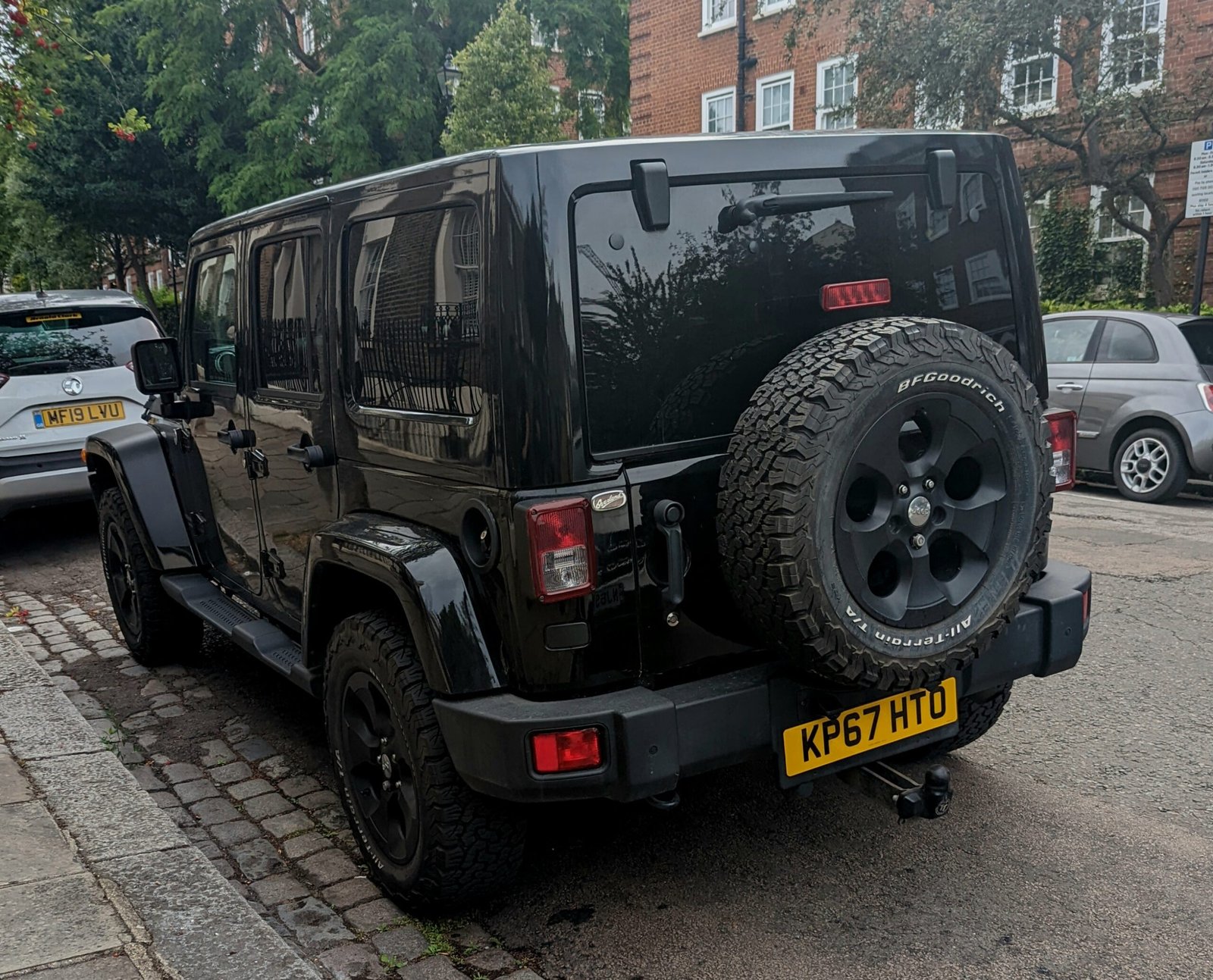
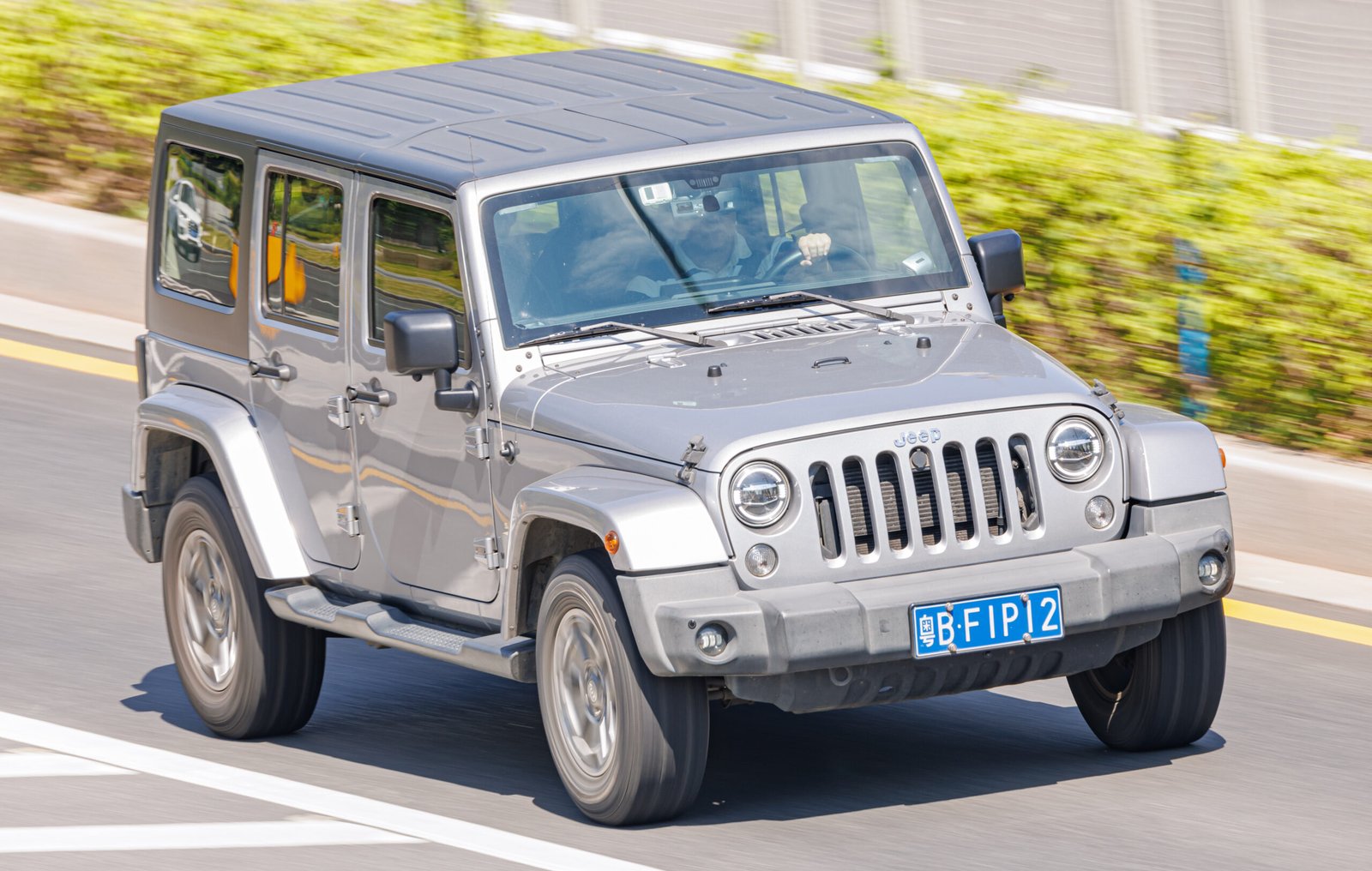
If you drive a Jeep Wrangler, you know it’s a special kind of vehicle. The open design, removable roof, and rugged build make it perfect for adventures. But that same design also brings problems: noise, heat, and cold easily get inside. Many Wrangler owners want a quieter, more comfortable ride, especially for daily driving or long trips. The good news? You can insulate your Jeep Wrangler at home. This guide will show you how to do it, what materials to use, and what results to expect.
Why Insulate Your Jeep Wrangler?
Insulating your Wrangler is more than just a comfort upgrade. It solves several common issues:
- Reduces road and wind noise, making conversations and music clearer.
- Keeps heat out in summer and holds warmth in winter, improving climate control.
- Blocks dust and water leaks in certain areas.
- Protects interior parts from extreme temperature changes.
Owners often notice a temperature drop of up to 30% in summer after proper insulation. Less noise can make a big difference, especially on highways.
Choosing The Right Insulation Materials
There’s no single best product for every Wrangler. Your choice depends on budget, climate, and how much work you want to do.
| Material | Main Benefit | Drawback |
|---|---|---|
| Foil-backed foam (reflective) | Best for heat reflection | Less soundproofing |
| Closed-cell foam (like EVA or PE) | Sound and thermal barrier | More expensive |
| Mass loaded vinyl | Excellent sound deadening | Heavy, harder to cut |
| Spray foam | Fills odd shapes well | Messy, hard to remove |
| Carpet/liner kits | Easy to install, looks neat | Less effective than layered methods |
Pro tip: Many owners use a combination—for example, closed-cell foam under a carpet kit. This gives better sound and heat control.

Areas To Insulate Inside Your Wrangler
Not all parts of your Jeep need the same treatment. Focus on these high-impact areas:
- Floor and footwells: The main source of heat and road noise. A double layer (foam + carpet) works best.
- Doors: Thin metal panels let noise in. Add peel-and-stick sound deadener inside, then foam on top.
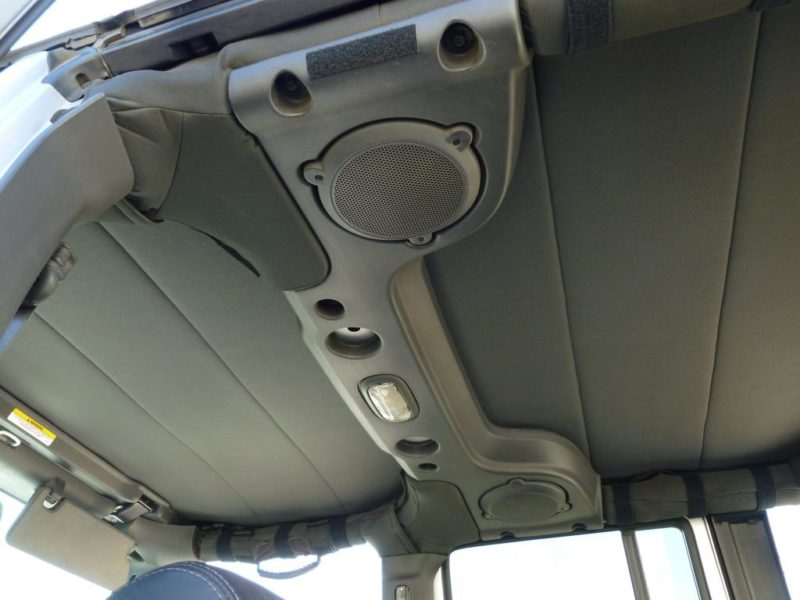
- Roof/Hardtop: The largest surface facing the sun. Reflective foam plus a headliner reduces heat and rain noise.
- Wheel wells: Mud and gravel sounds are loud here. Use tough sound deadener or spray-on liner.
- Tailgate and rear cargo: Especially important if you camp or sleep in your Jeep.
Here’s a quick comparison of difficulty and effect for each area:
| Area | Difficulty | Impact |
|---|---|---|
| Floor | Medium | High |
| Doors | High | Medium |
| Roof | Medium | High |
| Wheel wells | Low | Medium |
| Tailgate | Low | Low |
Step-by-step: How To Insulate Your Jeep Wrangler
Let’s walk through the main steps. Most people can finish the basics in a weekend.
1. Gather Your Tools And Materials
You’ll need:
- Utility knife or scissors
- Rubbing alcohol or degreaser
- Roller tool for smoothing
- Measuring tape
- Closed-cell foam, reflective insulation, or your chosen products
- Adhesive (if not self-sticking)
2. Remove Interior Parts
Take out seats, floor mats, and any plastic trim. For the roof, remove the hardtop or soft top if possible. This gives you full access to surfaces.
3. Clean Surfaces Thoroughly
Use rubbing alcohol or a degreaser to remove dirt, grease, and old adhesive. The insulation will not stick well to dirty surfaces.
4. Measure And Cut Insulation
Lay insulation over the area, mark shapes, and cut carefully. Cut slightly larger than needed—extra can always be trimmed.
5. Install Layer One: Sound Deadener
For floors and doors, start with a sound-deadening layer (like Dynamat or Noico). Peel and stick, then roll firmly to remove air bubbles.
6. Install Layer Two: Thermal Barrier
On top of the sound deadener, add a thermal barrier like closed-cell foam or reflective foil. Use spray adhesive or double-sided tape for a firm hold.
7. Reinstall Trim And Seats
Once everything is secure and flat, put all parts back. Check that nothing interferes with moving parts.
Non-obvious tip: Leave a small opening near drain plugs and wiring for maintenance. Blocking these can cause future problems.
8. Test And Enjoy
Drive your Jeep to notice the difference. Expect a quieter, cooler ride, especially at highway speeds.
Mistakes To Avoid
Many first-timers make small errors that reduce the effect of their work:
- Forgetting to clean surfaces
- Blocking drain holes or wiring
- Using too little insulation, or only in one area
- Choosing thick insulation that blocks seat bolts or trim
Don’t rush—careful prep and fitting make a big difference.
Costs And Results
Insulating a Jeep Wrangler can cost between $100 (DIY, basic materials) and $600+ (premium kits, full coverage). Most owners find the sweet spot around $200–$350. If you do it yourself, labor is free.
| Method | Approx. Cost | Time Needed |
|---|---|---|
| DIY (basic) | $100–$200 | 6–8 hours |
| DIY (premium materials) | $300–$600 | 8–12 hours |
| Professional install | $800–$1500 | 1 day |
Real result: Many drivers say their Jeep feels like a different vehicle after insulation. Less fatigue, less shouting, and better air conditioning are the top benefits.

Frequently Asked Questions
How Long Does It Take To Insulate A Jeep Wrangler?
Most DIY projects take 6 to 12 hours. This depends on how much you remove and how many areas you insulate.
What’s The Best Insulation For A Jeep Hardtop?
Closed-cell foam with a reflective layer works best. It reduces both sun heat and rain noise.
Will Insulation Add A Lot Of Weight?
Most insulation adds less than 30 pounds total, even with full coverage. This will not noticeably affect performance.
Can Insulation Help With Water Leaks?
Insulation itself won’t stop leaks. But sealing edges and checking weatherstripping during installation helps. Always fix leaks before adding insulation.
Where Can I Find More Info About Insulation Materials?
For detailed comparisons and reviews, check Crutchfield’s sound deadening guide.
Upgrading your Jeep Wrangler with good insulation is one of the best investments for comfort. Take your time, choose quality materials, and enjoy the ride—no matter the season or terrain.