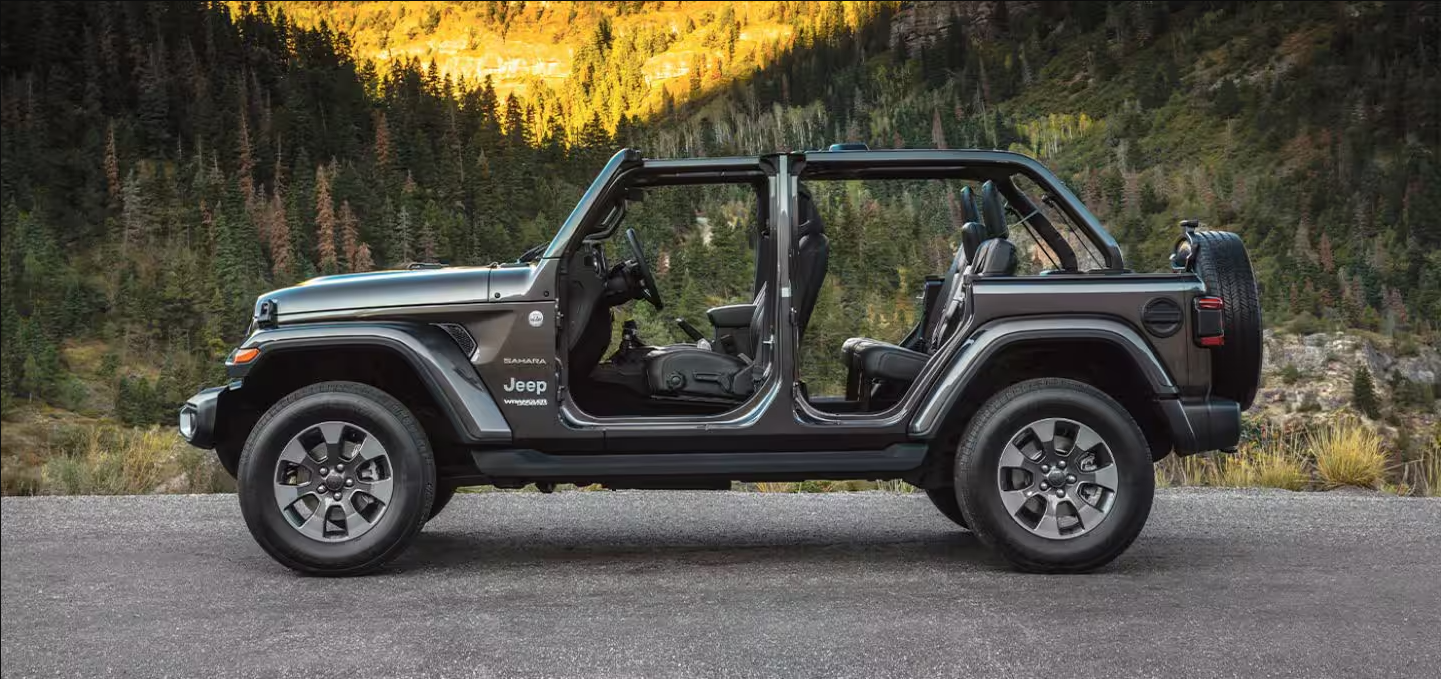
Taking off your Jeep hardtop opens up a world of adventure. Whether you want to feel the wind on your face or prepare for a sunny road trip, removing the hardtop is a must-know skill for any Jeep owner. While it might seem tricky the first time, with the right steps and tools, it becomes a routine part of enjoying your vehicle. This guide will walk you through everything you need to know, from preparation to lifting, with practical tips for both beginners and experienced Jeep fans.
Why Remove Your Jeep Hardtop?
Driving with the hardtop off gives you a true open-air experience. It’s perfect for warm weather, off-roading, or just enjoying the outdoors. Besides the fun, it can also help with cleaning or accessing certain parts for repairs. But remember, the hardtop is heavy and not designed for frequent removal, so it’s important to do it the right way to avoid damage.
Tools And Preparation
Before starting, gather these essential tools:
- Torx bit set (usually T40 and T50)
- Ratchet or wrench
- Plastic storage bags (for bolts)
- Soft blanket or padding (to protect the top)
- A friend or lifting hoist (recommended for safety)
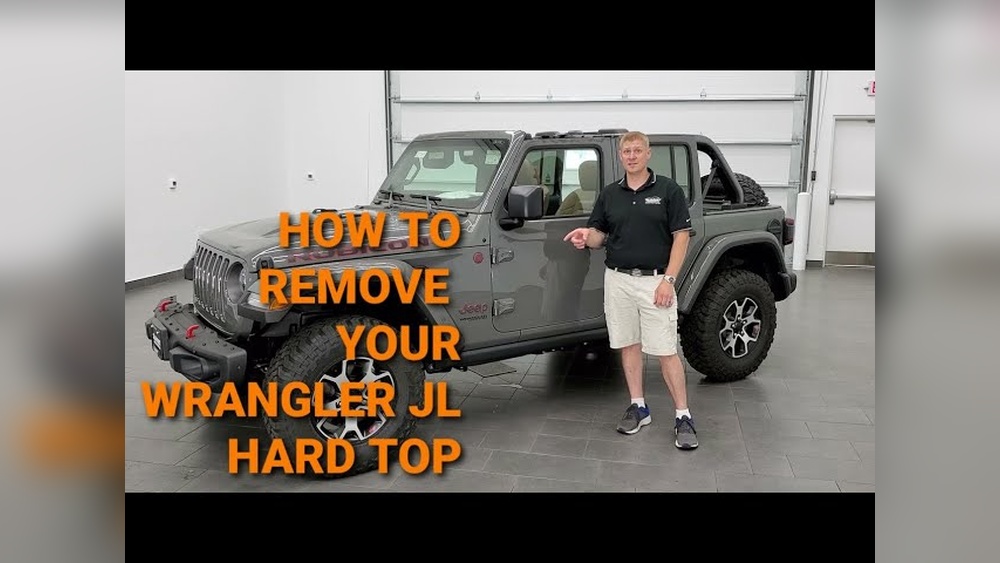
Some newer Jeeps, like the Wrangler JL or Gladiator, include a tool kit. Always check your Jeep’s manual for specific instructions for your model.
Key Considerations Before Removal
- Find a Flat Surface: Removing the hardtop on uneven ground can cause accidents.
- Weather Check: Never remove the hardtop if rain is expected.
- Clear the Area: Make sure there is enough space to store the hardtop safely.
- Unplug Electrical Connections: Some tops have wiper or defroster wiring.
Many beginners forget to disconnect the washer fluid hose and rear wiper wiring. This small step prevents accidental damage.
Step-by-step: How To Take Off A Jeep Hardtop
Follow these steps for a safe and smooth removal:
- Remove Freedom Panels (if equipped): Most four-door Wranglers have removable front panels. Undo the latches and take them off first.
- Disconnect Electrical Plugs: Open the rear door, locate the wiring harness and washer hose, and disconnect them gently.
- Unscrew the Bolts: Use your Torx bit to remove all bolts from inside the vehicle. Keep them in a labeled bag for easy reinstallation.
- Unlock the Rear: Open the tailgate fully. Some models have extra bolts along the rear edge or near the roll bar.
- Lift the Hardtop: With a friend, carefully lift the hardtop straight up and off the Jeep. Avoid twisting or dragging it.
- Store the Hardtop: Place it on a soft surface or use a dedicated hardtop stand.
Here’s a quick comparison of hardtop removal steps for three popular Jeep models:
| Model | Number of Bolts | Wiring Connections | Freedom Panels |
|---|---|---|---|
| Wrangler JK (2007-2018) | 8 | Yes | Yes |
| Wrangler JL (2018+) | 6 | Yes | Yes |
| Gladiator JT | 6 | Yes | Yes |
Storing Your Jeep Hardtop Safely
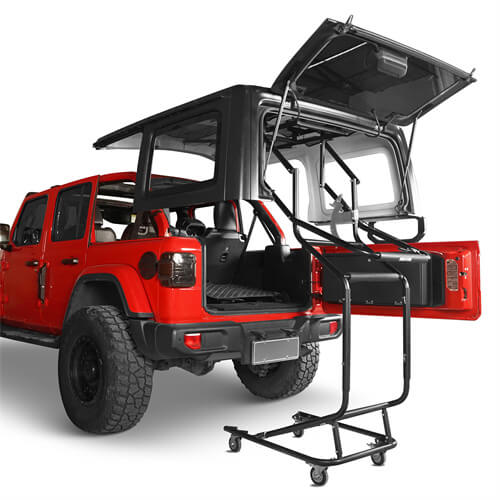
The hardtop is bulky and weighs around 100-140 pounds. Storing it safely prevents scratches or cracks. If possible, use a hardtop hoist for garage storage. This lifts the top up and out of the way. Alternatively, rest it upright on a padded surface and avoid placing heavy items on it.
Here are some storage options:
| Storage Method | Pros | Cons |
|---|---|---|
| Ceiling Hoist | Saves space, easy lifting | Requires installation, higher cost |
| Rolling Stand | Easy to move, affordable | Takes up floor space |
| Wall Mount | Protects hardtop, uses wall space | Needs stable wall, some lifting |
Tips For First-timers
- Label Bolts: Use a marker or bag labels for each bolt location.
- Take Photos: Before removing anything, snap a few pictures. It’s a lifesaver when reinstalling.
- Don’t Rush: Removing the hardtop too quickly can lead to scratches or broken parts.
- Avoid Solo Lifting: Even strong people risk damaging the top or the Jeep. Always get help or use a hoist.
A mistake many new owners make is forgetting to reconnect the washer hose and wiring when reinstalling. Double-check all connections before driving.
Common Mistakes To Avoid
- Forgetting to unplug wiring: This can cause expensive electrical repairs.
- Using the wrong tools: Stripped bolts are hard to fix.
- Lifting alone: The hardtop is awkward and heavy.
- Storing on concrete: Direct contact can scratch or crack the top.
- Not checking weather: Sudden rain can damage your Jeep’s interior.
Time And Effort Required
Most people can remove the hardtop in 20-40 minutes the first time. With practice, it gets easier. Using a hoist or having two people makes the process faster and safer.
Here’s an estimated time breakdown:
| Step | Time (Minutes) |
|---|---|
| Preparation | 5-10 |
| Removing Bolts | 10-15 |
| Disconnecting Wiring | 2-5 |
| Lifting and Storing | 10-15 |
Frequently Asked Questions
How Heavy Is A Jeep Hardtop?
Most hardtops weigh between 100 and 140 pounds. Two adults can lift it safely. For solo removal, use a hoist system.
Can I Remove The Hardtop Alone?
It is possible, but not recommended. The top is bulky and can be easily damaged if dropped. Using a hoist or asking a friend is much safer.
Will Removing The Hardtop Affect My Jeep’s Warranty?
No, as long as you follow the manufacturer’s instructions. Damage from improper removal or storage might not be covered, so always be careful.
Can I Drive My Jeep Without The Hardtop In The Rain?
Driving without a hardtop exposes your Jeep’s interior to water, which can cause electrical or upholstery damage. Only remove the top if you’re sure of good weather.
Where Can I Find Detailed Instructions For My Jeep Model?
You can find model-specific guides in your Jeep’s manual or on the official Jeep Owners Site.
Taking off your Jeep hardtop is a rewarding experience, giving you more freedom and fun. With the right steps, tools, and a little help, you can do it safely and confidently. Enjoy the open road!