Getting stuck in mud, sand, or rocky trails is common when you drive a Jeep off-road. A winch can rescue your vehicle and make the adventure safer. Learning how to use a winch Jeep is important for both beginners and experienced drivers. With the right steps, you avoid damage and accidents. This guide will help you use your winch confidently, even if English is not your first language.
What Is A Winch And Why Use It?
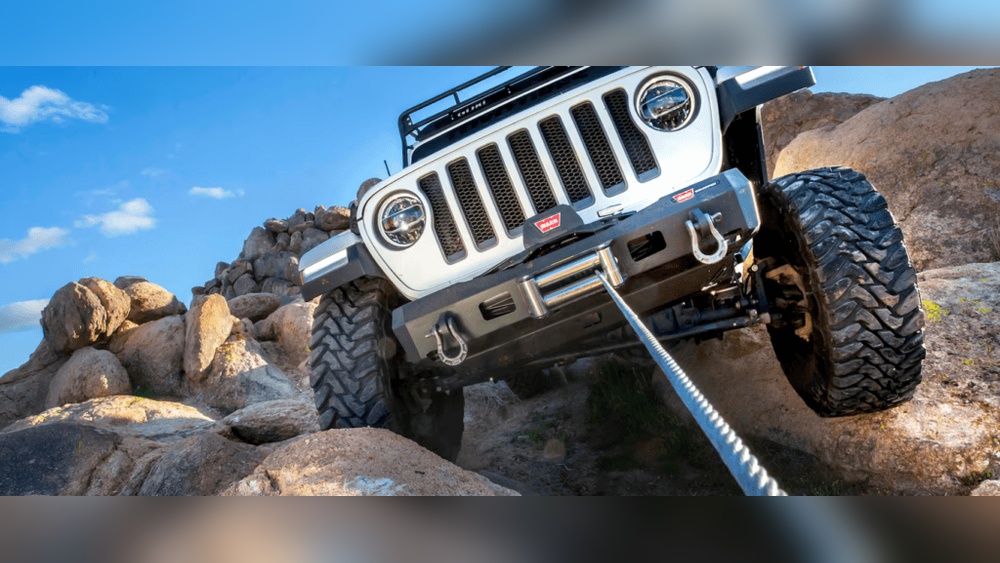
A winch is a device with a strong cable, powered by a motor. It pulls your Jeep out of trouble. Most winches can handle loads between 8,000 and 12,000 pounds. You control the winch with a remote or switch. The winch cable attaches to something solid, like a tree or another vehicle, to pull your Jeep free.
Using a winch is safer than pushing or towing. It gives you control and reduces the risk of injury. Winches are also useful for moving heavy objects or helping other vehicles.
Basic Steps To Use A Winch Jeep
Follow these steps for safe winching. Always read your Jeep’s winch manual before you start.
1. Assess The Situation
Check your surroundings. Is your Jeep stuck in mud, sand, or snow? Look for strong anchor points like trees or rocks. Make sure you are not blocking traffic or in a dangerous spot.
2. Put On Safety Gear
Wear gloves to protect your hands. Safety glasses are helpful if the cable snaps. Keep bystanders at least 10 feet away.
3. Prepare The Winch
Turn off your Jeep. Set the parking brake. Unlock the winch drum so you can pull out the cable.
4. Attach The Cable
Use a tree saver strap or D-ring shackle to connect the cable to your anchor point. Never wrap the cable directly around a tree; this can kill the tree and damage the cable.
5. Check Cable Alignment
The cable should be straight, not twisted. If possible, use a snatch block for extra pulling power or to change direction.
6. Tension The Cable
Stand clear and use the remote to pull the cable tight. Double-check all connections.
7. Winch Slowly
Begin winching with slow, steady pulls. Stop if the cable makes unusual sounds or the Jeep moves suddenly.
8. Monitor The Jeep And Cable
Watch for cable fraying or overheating. If needed, pause to let the winch motor cool.
9. Secure The Jeep
Once your Jeep is unstuck, stop the winch. Rewind the cable slowly to avoid tangles.
10. Clean Up
Remove all gear. Inspect the cable and winch for damage. Store everything properly.
Comparing Winch Types For Jeep
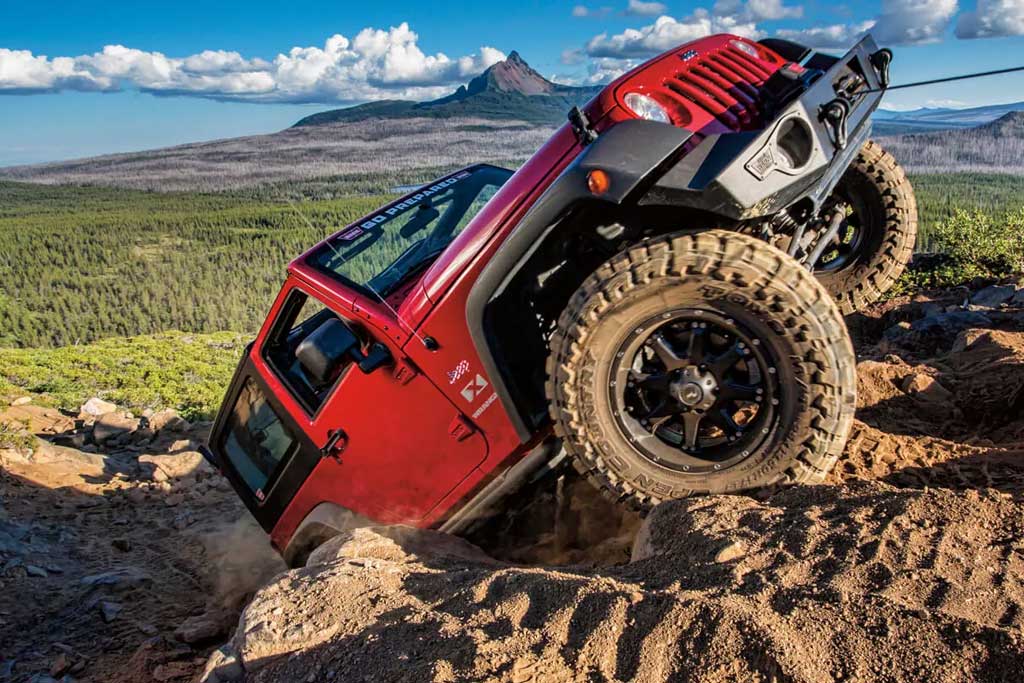
Choosing the right winch matters. Here’s a quick comparison of popular types.
| Winch Type | Pulling Capacity | Best Use |
|---|---|---|
| Electric Winch | 8,000–12,000 lbs | Off-road recovery, general use |
| Hydraulic Winch | 10,000–15,000 lbs | Heavy-duty, industrial tasks |
| Manual Winch | Up to 4,000 lbs | Light recovery, emergencies |
Most Jeep owners choose electric winches for convenience and power.
Common Winch Mistakes And How To Avoid Them
Mistakes can be dangerous. Here are some you should avoid:
- Overloading the winch: Know your winch’s capacity. Never pull more weight than it can handle.
- Improper cable handling: Always use gloves. Don’t let the cable slip through your fingers.
- Wrong anchor point: Make sure the anchor is strong. Weak trees or rocks can break, causing accidents.
- Standing too close: Stay at least 10 feet away when winching. The cable can snap and cause injury.
- Ignoring maintenance: Check your winch and cable regularly for wear, rust, or damage.
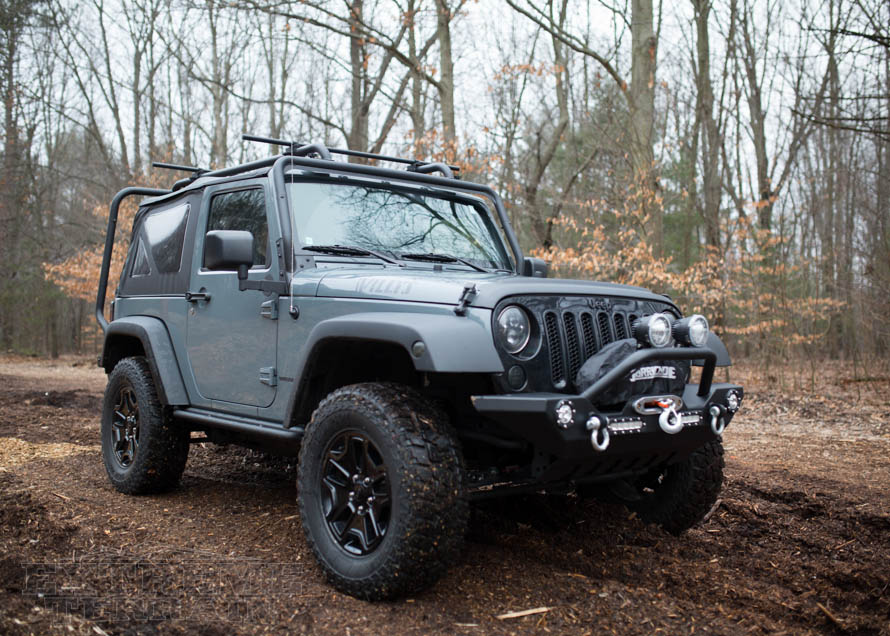
Winch Accessories That Improve Safety
Certain accessories can make winching safer and easier. Here’s a quick comparison:
| Accessory | Purpose | Benefit |
|---|---|---|
| Tree Saver Strap | Protects anchor | Prevents tree damage |
| Snatch Block | Increases power | Reduces winch strain |
| Winch Blanket | Absorbs energy | Protects against cable snap |
| Gloves | Hand safety | Avoids cuts and injury |
Using these tools reduces risk and improves results.
Real-world Example: Jeep Winch Recovery
Imagine you’re stuck in deep mud. Your Jeep weighs about 4,500 pounds. You have an electric winch rated for 10,000 pounds. You use a tree saver strap around a solid oak tree. With gloves on, you attach the cable, use a snatch block to double pulling power, and keep everyone clear.
By applying slow, steady pressure, your Jeep moves out of the mud. This method is safer than towing with another vehicle, and you avoid damaging your Jeep’s bumper or tires.
A non-obvious insight: If your battery is weak, winching can drain it fast. Run the Jeep’s engine while winching to keep power steady. Also, using a snatch block not only increases strength but also prevents overheating.
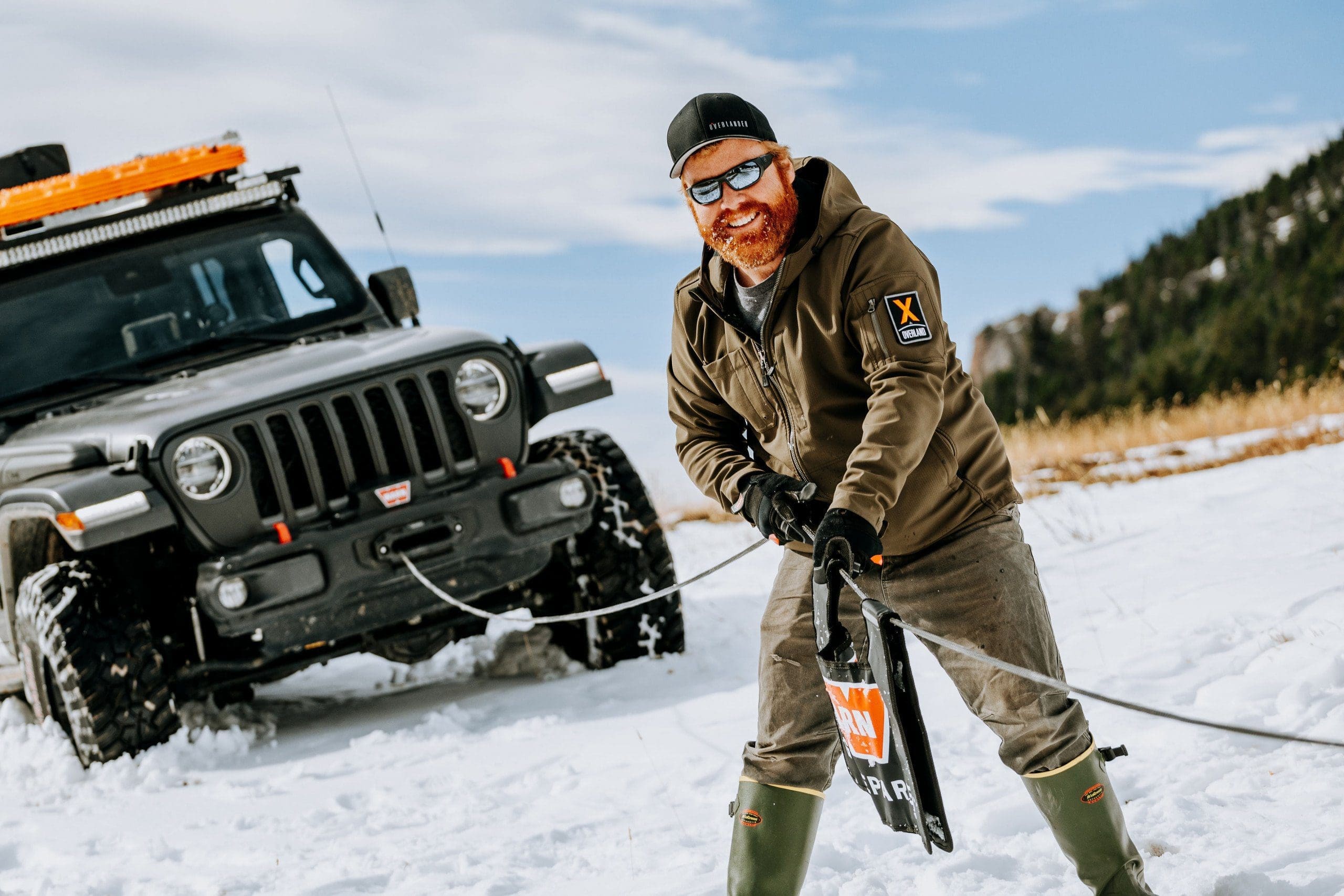
Winch Maintenance Tips
Proper care keeps your winch ready for emergencies.
- Clean the cable after each use.
- Lubricate moving parts as recommended by the manufacturer.
- Check for frayed or rusty cables.
- Test the remote control regularly.
- Store accessories in a dry place.
If you need detailed winch maintenance advice, check Warner Powersports for expert recommendations.
Frequently Asked Questions
How Much Weight Can A Jeep Winch Pull?
Most Jeep winches can pull between 8,000 and 12,000 pounds. Always check your winch label and owner’s manual for exact limits.
What Is The Safest Anchor Point For Winching?
The safest anchor is a large, healthy tree or a solid rock. Avoid weak or dead trees, and never anchor to thin poles.
Can I Use A Winch To Pull Another Vehicle?
Yes, but use a snatch block and tree saver strap. Make sure both vehicles are secure and never let anyone stand between them.
How Often Should I Inspect My Winch?
Inspect your winch before and after every use. Look for cable damage, loose bolts, and test the remote.
Do I Need Special Training To Use A Winch?
Formal training isn’t required, but practicing in safe conditions is smart. Read your winch manual and watch video tutorials if possible.
Using a winch Jeep is a skill that grows with experience. With careful steps, the right accessories, and regular maintenance, you can recover your vehicle safely and enjoy off-road adventures with confidence.