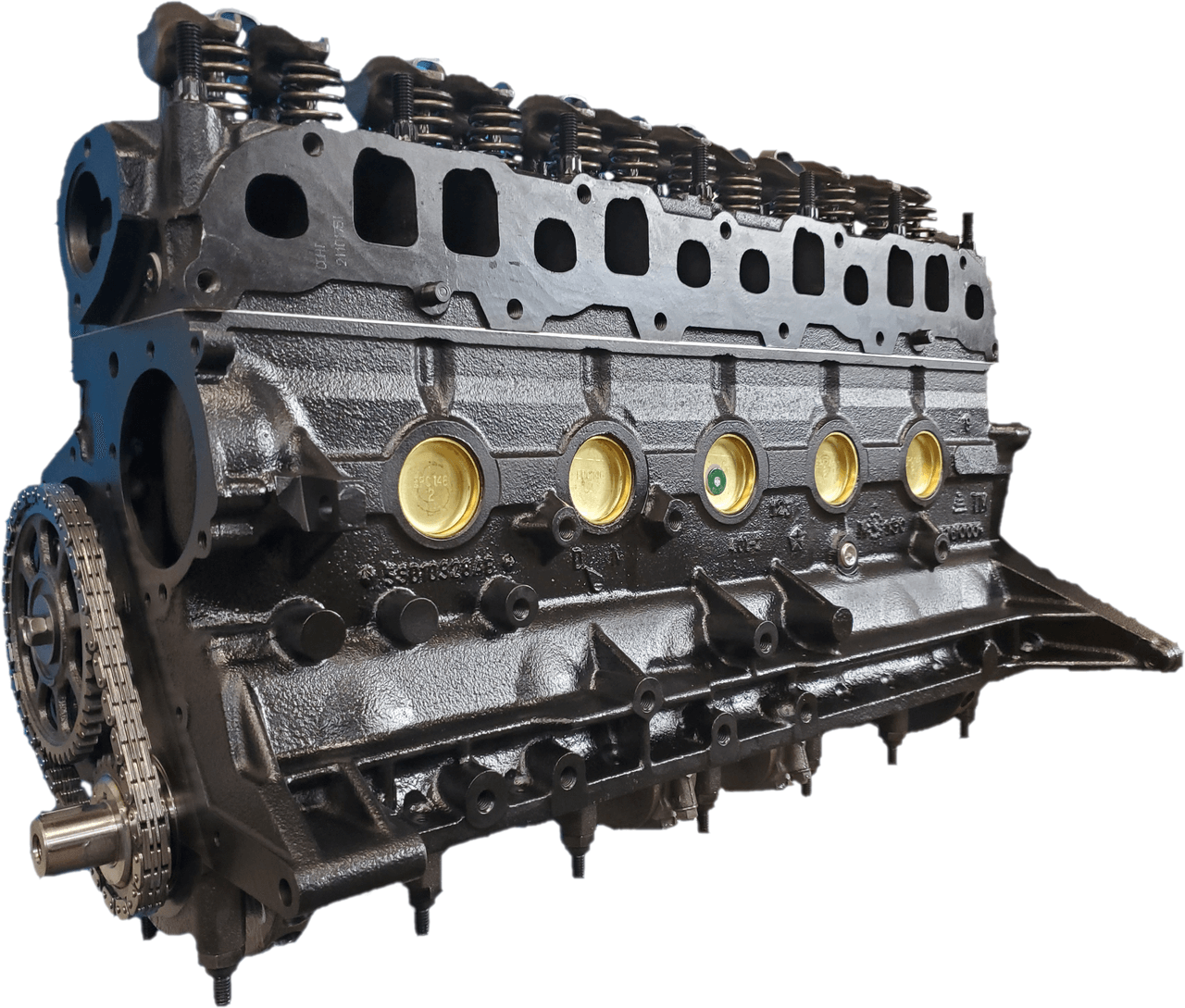
Building a Jeep 4.0 stroker engine is a popular way to get more power and torque from your Jeep. This project takes planning, the right parts, and careful assembly. Even if you’re not a pro mechanic, you can succeed if you follow each step and avoid common mistakes. Let’s dive into the 40 essential steps to build your own 4.0 stroker.
1. Set Your Power Goals
Decide what you want: more torque for off-roading or higher horsepower for speed. Your goal shapes which parts you’ll choose.
2. Choose The Right Block
Start with a clean Jeep 4.0L block. Check for cracks or damage, as a strong base is key.
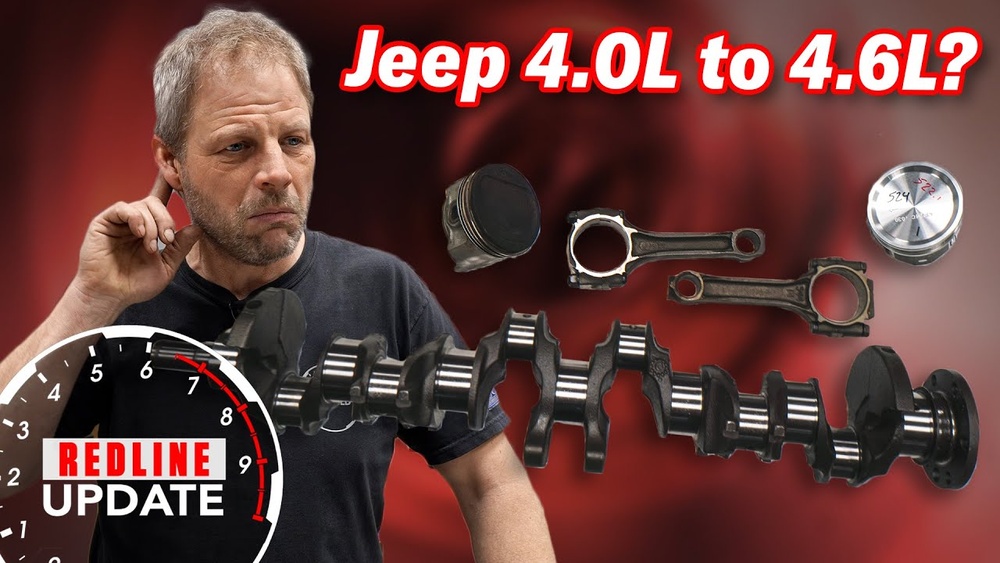
3. Get A 4.2l Crankshaft
The 4.2L crank adds stroke. Look for a casting number 3727 or 3728 crankshaft.
4. Select Stroker Pistons
Use custom stroker pistons for proper compression. Most choose pistons from companies like Keith Black.
5. Pick The Rods
You can use 4.0L rods or 4.2L rods. Each changes the compression ratio slightly.
6. Decide Compression Ratio
Aim for a compression ratio between 8.8:1 and 9.6:1 for pump gas.
7. Gather Bearings
Buy quality main and rod bearings. Cleavite and King are trusted brands.
8. Get The Right Camshaft
A performance cam boosts power. Comp Cams 68-232-4 is a popular choice.
9. Choose Lifters
Always use new lifters with your new cam. Old lifters can ruin a cam quickly.
10. Upgrade Pushrods
Get chromoly pushrods if you’re running stiffer valve springs.
11. Select Valve Springs
Strong springs avoid valve float at high RPM. Match them to your cam.
12. Cylinder Head Selection
A ported 4.0 head flows better. The TUPY 0331 head is strong and reliable.
13. Install New Valves
Oversized valves improve flow. Use hardened valves for longevity.
14. Valve Guides And Seals
Replace guides and seals for good oil control and long life.
15. Intake Manifold
The 2000+ intake manifold improves airflow over older designs.
16. Throttle Body
A bored-out throttle body (60mm) gives more air for higher power.
17. Fuel Injectors
Choose 24lb/hour injectors for most strokers to feed enough fuel.
18. Fuel Pump
Upgrade to a high-flow fuel pump to avoid running lean.
19. Engine Gaskets
Buy a full MLS gasket set for reliability, especially for the head gasket.
20. Oil Pump
Install a high-volume oil pump to keep everything lubricated.

21. Timing Set
Replace the timing chain and gears with a double-roller set for strength.
22. Harmonic Balancer
A fresh harmonic balancer prevents vibration and crankshaft damage.
23. Water Pump
Use a high-flow water pump to keep things cool.
24. Thermostat
A 195°F thermostat is usually best for drivability.
25. Radiator
Upgrade to a 3-row aluminum radiator for better cooling.
26. Headers
Install aftermarket headers for better exhaust flow.
27. Exhaust System
A 2.5-inch exhaust system helps the engine breathe.
28. Oxygen Sensors
Use new O2 sensors to maintain proper engine management.
29. Engine Mounts
Choose heavy-duty mounts to handle the extra torque.
30. Spark Plugs
Select colder spark plugs to prevent detonation.
31. Ignition Wires
High-quality performance wires ensure strong spark delivery.
32. Distributor
A new or rebuilt distributor avoids misfires.
33. Engine Assembly Lube
Use assembly lube on bearings and cam to prevent damage at startup.
34. Torque Wrench
Use a torque wrench for all critical bolts. Guessing leads to failure.
35. Clean Assembly Area
Dust and dirt destroy engines. Clean your workspace before assembly.
36. Break-in Oil
Use break-in oil for the first 500 miles to help rings seat.

37. Ecu Tuning
Tune your engine computer for the new setup. A bad tune wastes your build.
38. Dyno Testing
Test on a dynamometer to check power and air/fuel ratio.
39. Regular Maintenance
Change oil often and check for leaks. Early care extends engine life.
40. Keep Records
Write down part numbers, specs, and clearances for future repairs.
Key Parts Comparison
Here’s a quick look at important part choices:
| Component | Stock 4.0 | 4.0 Stroker Upgrade |
|---|---|---|
| Crankshaft | 3.411″ | 3.895″ |
| Displacement | 242 cu in | ~258-275 cu in |
| Injectors | 19 lb/hr | 24 lb/hr |
Stroker Performance Gains
A well-built 4.0 stroker can make 250-270 horsepower and 320-340 lb-ft of torque—far more than stock. Here’s how power compares:
| Engine | Horsepower | Torque |
|---|---|---|
| Stock Jeep 4.0L | ~190 HP | ~225 lb-ft |
| 4.0 Stroker | 250-270 HP | 320-340 lb-ft |
Common Mistakes To Avoid
- Forgetting to check piston-to-valve clearance
- Using old or mismatched parts
- Skipping tuning after the build
- Not using assembly lube
A 4. 0 stroker is a big but rewarding project. Take your time with each step, double-check your work, and don’t rush the break-in period. With patience and care, you’ll enjoy a reliable, powerful Jeep engine for years.
Frequently Asked Questions
What Is A Jeep 4.0 Stroker?
A Jeep 4.0 stroker is a modified 4.0L engine built with a longer-stroke crankshaft, usually from a 4.2L Jeep. This increases engine displacement and power.
Do I Need Special Tools To Build A Stroker?
You’ll need engine building tools like a torque wrench, ring compressor, and micrometer. A clean, organized space is also important.
Can I Use My Stock Ecu?
The stock ECU works, but custom tuning is recommended for best performance and reliability.
How Much Does It Cost To Build A Stroker?
Costs vary. Most spend $2,500–$4,500 on parts and machine work. Doing work yourself saves money.
Where Can I Learn More About Jeep Engine Swaps?
Check guides and forums, or visit JeepForum for expert advice.
Building a Jeep 4. 0 stroker is not just about power. It’s about understanding each step, learning new skills, and enjoying the process. With the right parts and careful assembly, your Jeep will deliver performance you can feel every time you hit the road or trail.