Choosing the right coolant for your Jeep Wrangler keeps your engine safe, especially during hot summers and freezing winters. But with so many Jeep models—like JK, JL, TJ, and XJ—owners often get confused about which coolant to use. This guide explains which coolant works for your Wrangler, why it matters, and how to avoid costly mistakes.
Meta description:
Discover the best coolant for Jeep Wrangler by model, engine, and year. Get clear guidance on types, specs, and compatibility—avoid costly mistakes.
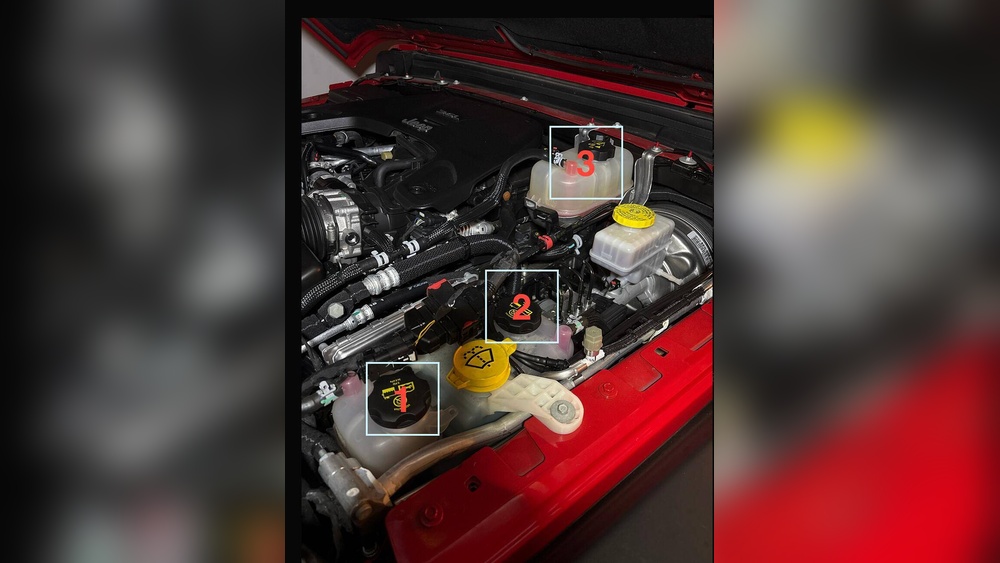
Why Coolant Type Matters For Your Jeep Wrangler
Coolant, or antifreeze, does more than prevent overheating. It also protects metal parts from rust and keeps seals working well. The wrong coolant can cause leaks, corrosion, or even major engine damage. Jeep Wranglers are built tough, but using the correct coolant is essential for long-term reliability.
Understanding Jeep Wrangler Generations And Engines
Different Wrangler generations use different engines and cooling systems. That’s why coolant requirements change over the years.
| Generation | Model Years | Common Engines | Recommended Coolant Type |
|---|---|---|---|
| TJ | 1997–2006 | 4.0L I6, 2.4L I4 | Green (IAT) |
| JK | 2007–2018 | 3.6L V6, 3.8L V6 | HOAT (Orange/Purple) |
| JL | 2018–present | 2.0L Turbo, 3.6L V6, 3.0L Diesel | OAT (Purple) |
| XJ | 1984–2001 | 4.0L I6, 2.5L I4 | Green (IAT) |
What Do Coolant Types Mean?
- IAT (Inorganic Additive Technology): Old-style, green coolant. Used in older Jeeps (XJ, early TJ).
- HOAT (Hybrid Organic Acid Technology): Orange or yellow. Used in JK models.
- OAT (Organic Acid Technology): Purple or pink. Found in newer JL Wranglers.
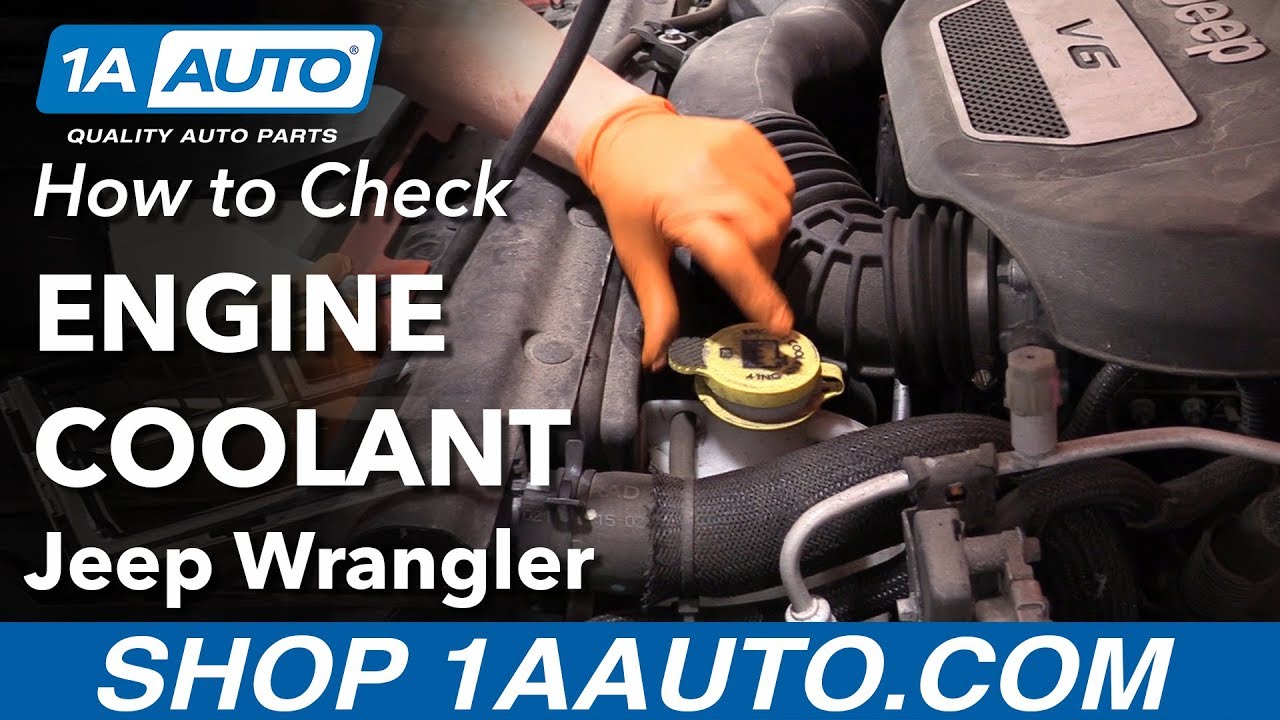
How To Find The Right Coolant For Your Jeep
Finding the correct coolant depends on your Wrangler’s year, engine, and trim. Here’s a quick way to check:
- Open your hood and find the coolant reservoir label.
- Check your owner’s manual for specs.
- If unsure, use the Mopar coolant recommended for your year and engine.
Compatibility Tips
- Never mix different coolant types (like HOAT and OAT).
- If you must switch types, flush the entire cooling system first.
- Some aftermarket brands claim “universal” fit, but always double-check with Jeep specs.
Common Wrangler Coolants Compared
Let’s see how popular coolant types for Wrangler models compare:
| Coolant Type | Color | Service Life | Models Used |
|---|---|---|---|
| IAT | Green | 2 years/30,000 miles | TJ, XJ |
| HOAT | Orange/Yellow | 5 years/100,000 miles | JK |
| OAT | Purple/Pink | 10 years/150,000 miles | JL |
Non-obvious tip: If your Jeep is modified for towing, off-roading, or has an aftermarket radiator, always stick to the factory-recommended coolant. Mixing types or using cheap “universal” options can void warranties and harm the cooling system.
How To Change Jeep Wrangler Coolant
Changing coolant is a simple way to keep your engine safe. Here are the basic steps:
- Wait for the engine to cool completely.
- Place a drain pan under the radiator.
- Open the drain plug and empty old coolant.
- Close the plug, then refill with the recommended coolant and distilled water (50/50 mix).
- Start the engine and let it warm up to remove air pockets.
- Check levels again after a short drive.
If your Jeep has overheating symptoms—like a hot temperature gauge, steam, or strange smells—don’t just top off coolant. These can signal leaks, a bad thermostat, or a failing water pump. In these cases, visit a trusted mechanic.
Buying Tips: What To Look For
When shopping for coolant, always check:
- Model year compatibility: JL, JK, TJ, and XJ Wranglers use different types.
- Coolant color: While not perfect, color is a quick clue. Green is for older Jeeps, orange for JK, purple for JL.
- OEM vs. aftermarket: Mopar brand is safest, but some high-quality aftermarket options (like Zerex G05 for HOAT) also work.
Never buy coolant just because it’s cheap or “universal. ” Wrong fluid can lead to repairs costing $300–$1,000.
Common Mistakes Jeep Owners Make
- Mixing coolant types. This causes sludge and can block cooling passages.
- Ignoring leaks. Even small leaks can lead to overheating.
- Forgetting regular changes. Old coolant loses its protective properties.
- Using tap water instead of distilled water. Minerals can clog your radiator.
Pro insight: After heavy off-roading or towing, check coolant levels more often. Mud and debris can damage cooling system parts faster than normal use.
Genuine Mopar Coolant Vs. Aftermarket Brands
Should you always use Mopar coolant for your Wrangler? For warranty, Mopar is safest. However, top aftermarket brands meet or beat OEM specs.
| Brand | Coolant Type | Wrangler Models | Notes |
|---|---|---|---|
| Mopar | OAT, HOAT, IAT | All | Factory-approved |
| Zerex G05 | HOAT | JK | Meets Chrysler spec |
| Peak OET | OAT | JL | Good for newer models |
For more on Jeep cooling systems, check the Jeep Wrangler Wikipedia page.
Frequently Asked Questions
Which Coolant Does My 2012 Jeep Wrangler Jk Need?
A 2012 Wrangler JK uses HOAT coolant (often orange or yellow). Mopar 10 Year/150,000 Mile Formula HOAT is the factory option.
Can I Mix Green And Orange Coolant In My Wrangler?
No. Mixing different coolant types can cause sludge and blockages. Always flush the system if switching types.
How Often Should I Change My Jeep’s Coolant?
For most Wranglers:
- IAT (Green): Every 2 years/30,000 miles.
- HOAT (Orange): Every 5 years/100,000 miles.
- OAT (Purple): Every 10 years/150,000 miles.
What Are Signs Of Bad Coolant In My Wrangler?
Common symptoms include:
- Sweet smell under the hood
- Overheating engine
- Rusty or cloudy coolant in the reservoir
Is Distilled Water Required For Mixing Coolant?
Yes. Always use distilled water to avoid mineral buildup, which can clog the radiator and heater core.
- Jeep Wrangler maintenance schedule
- Signs your radiator needs replacing
- How to flush your car’s cooling system
The right coolant keeps your Jeep Wrangler running strong. Always check your year and engine, use only compatible fluids, and don’t cut corners. Your Jeep will thank you with years of adventure.