Wiring trailer lights on a Jeep Wrangler is not just about safety—it’s also the law. Whether you’re towing a small utility trailer or a camper, working trailer lights ensure other drivers can see your signals, which keeps everyone safer on the road. Many Wrangler owners find the wiring process confusing, but with the right guidance and tools, you can complete this project in just an afternoon.
What You Need Before You Start
Having the right materials and understanding your Jeep’s wiring system is key. Most modern Wranglers use a 7-pin or 4-pin connector, but always check your manual.
Essentials to gather:
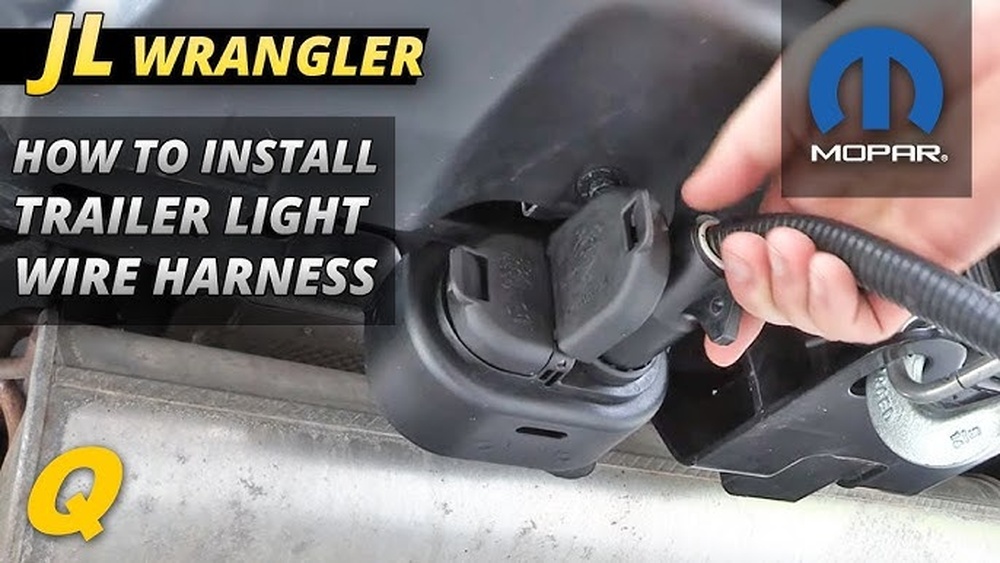
- Trailer wiring harness (fits your Jeep’s model year)
- 4-pin or 7-pin connector kit
- Wire strippers and crimpers
- Electrical tape and zip ties
- Multimeter (for testing connections)
- Screwdrivers and socket set
- Heat shrink tubing (for weatherproofing connections)
Before starting, disconnect your Jeep’s battery to prevent any electrical shorts.
Step-by-step Guide: Wiring Trailer Lights On Jeep Wrangler
1. Locate Your Jeep’s Wiring Harness
Open the rear tailgate area. Most Wranglers have a factory wiring plug behind the left tail light. Remove the tail light by unscrewing the bolts, then gently pull it away. You should see a bundle of wires and possibly a capped plug for towing.
2. Choose The Right Connector
Jeep Wranglers usually support two types of connectors:
| Connector Type | Functions | Best For |
|---|---|---|
| 4-pin | Basic lights (brake, turn, tail) | Small trailers |
| 7-pin | Includes 12V power, backup, brakes | Larger trailers, RVs |
For most utility trailers, a 4-pin connector is enough.
3. Install The Trailer Wiring Harness
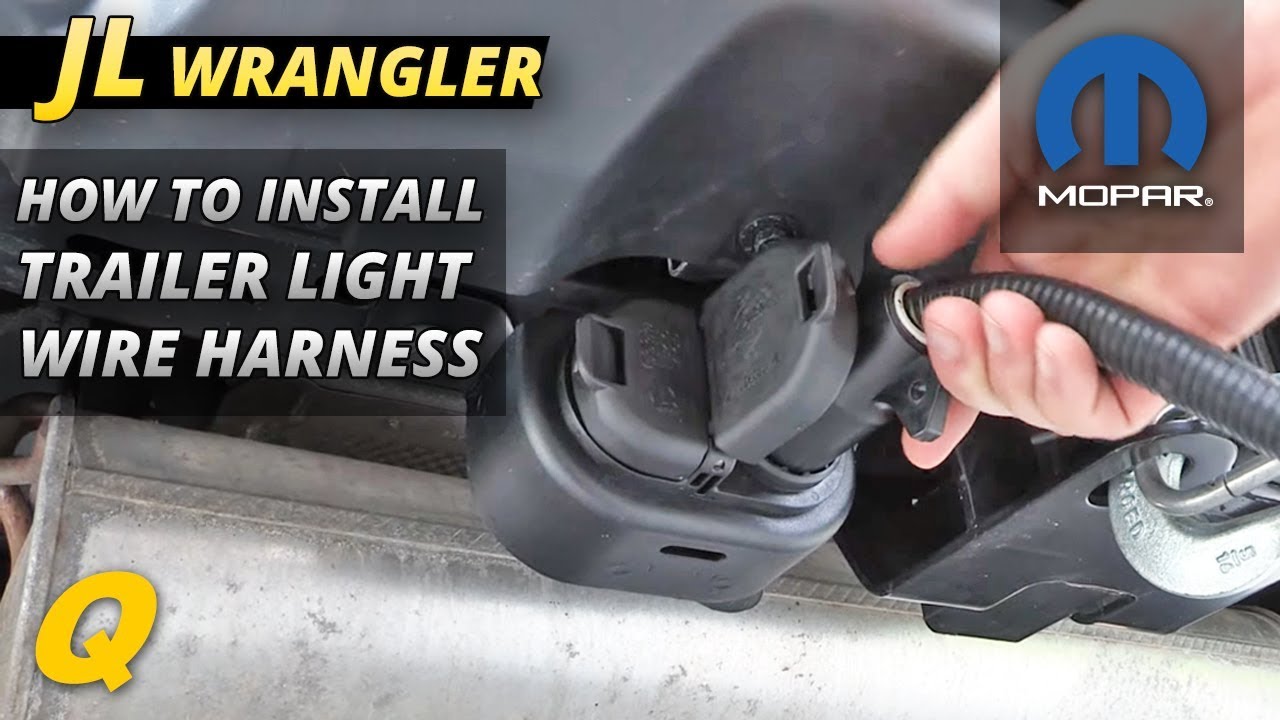
Plug the new harness into the factory plug. This is often “plug-and-play” for newer Wranglers. If your Jeep doesn’t have a factory plug, you’ll need to use splice connectors to tap into the tail light wires directly. Match wire colors carefully. Typical color codes:
| Wire Color | Function |
|---|---|
| Brown | Tail/running lights |
| Yellow | Left turn/brake |
| Green | Right turn/brake |
| White | Ground |
Not all Jeeps use these colors, so double-check with a multimeter or the vehicle’s manual.
4. Secure The Wiring
Route the harness down to the hitch area, keeping it away from the exhaust and moving parts. Use zip ties to secure it along the frame. For weather protection, use heat shrink tubing and wrap connections with electrical tape.
5. Mount The Connector
Attach the connector to your hitch or bumper using the included bracket. Make sure it faces outward and is easy to reach.
6. Test The Trailer Lights
Reconnect your Jeep’s battery. Plug the trailer’s wiring into the Jeep’s connector. Have a helper check each function:
- Tail lights (running)
- Brake lights
- Left and right turn signals
If something doesn’t work, use the multimeter to check for power and ground. Most issues are due to a poor ground or loose connections.
Common Mistakes And How To Avoid Them
- Wrong wire match: Always test wires before connecting. Jeep wire colors may differ from the trailer’s.
- Ignoring ground wire: A bad ground is the most common cause of trailer light problems. Attach the white wire securely to clean, bare metal on the frame.
- Skipping weatherproofing: Exposed connections can corrode. Always use heat shrink tubing and tape.
- Overloading circuits: Don’t add extra lights beyond what the Jeep’s wiring can handle. Overloading can blow fuses or damage the electrical system.
Tips For A Trouble-free Setup
- Use a plug-and-play harness for your Jeep’s model year if possible. It simplifies the process and avoids cutting wires.
- If you tow different trailers, consider a 7-to-4-pin adapter for flexibility.
- Check your Jeep’s fuse box if lights aren’t working. Replacing a blown fuse can solve many issues.
- Clean all ground points before attaching wires. Rust or paint can stop a good connection.

Comparison: Factory Vs Aftermarket Wiring Kits
| Feature | Factory Kit | Aftermarket Kit |
|---|---|---|
| Installation | Usually plug-and-play | May require splicing |
| Compatibility | Guaranteed fit | Check model year |
| Cost | Higher | Lower |
| Warranty | OEM warranty | Varies |
Factory kits are more expensive but easier for beginners. Aftermarket kits are budget-friendly but may need extra work.
Safety And Legal Considerations
Towing with faulty lights can lead to fines or accidents. US law requires all trailers to have working tail, brake, and turn signals. Always check your state’s rules for towing with a Jeep Wrangler. For more details, visit the NHTSA Lighting Requirements page.

Frequently Asked Questions
What Size Fuse Should I Use For Trailer Lights?
Most trailer light circuits use a 15-amp fuse. Check your Jeep’s manual to confirm the right size for your wiring harness.
Can I Install Trailer Lights Without A Wiring Kit?
It’s possible, but not recommended. Wiring kits are safer, easier, and protect your Jeep’s electronics from damage.
Why Do My Trailer Lights Only Work When The Jeep’s Lights Are Off?
This usually means a bad ground connection or a wiring mismatch. Double-check all ground wires and test each function separately.
How Do I Connect A 7-pin Trailer To My 4-pin Jeep Connector?
Use a 7-to-4-pin adapter. These adapters are available at most auto stores and let you connect different types of trailers easily.
Do I Need A Relay Or Module For My Jeep Wrangler?
Many newer Wranglers need a wiring module to protect the vehicle’s electronics and prevent dashboard errors. Always check your model year before buying a kit.
Wiring trailer lights on a Jeep Wrangler isn’t as hard as it seems. With careful attention to detail and the right tools, you can ensure a safe, legal towing experience. Double-check each connection, test every function, and never cut corners on safety.
That way, you and your Jeep are ready for the road ahead.