If you own a Jeep Cherokee, you probably know it’s famous for off-road ability and solid performance in tough conditions. But many drivers aren’t sure how to use the 4WD system correctly. Understanding the right way to engage 4WD can make a big difference in safety, handling, and vehicle life. If you want to drive with more confidence in snow, mud, or rough terrain, this guide will help you make the most of your Jeep’s capabilities.
Understanding Jeep Cherokee 4wd Systems
Jeep Cherokees come with different 4WD systems, depending on the year and model. The most common are Command-Trac, Selec-Trac, and Active Drive. Each system works a bit differently.
- Command-Trac: This part-time 4WD system is controlled by a lever or switch. It’s made for off-road or slippery conditions, not dry pavement.
- Selec-Trac: This full-time system can stay in 4WD on all surfaces, including dry roads. It has options for 2WD, 4WD Auto, 4WD Part-Time, and 4WD Low.
- Active Drive: Used in newer Cherokees, this system automatically shifts power between wheels as needed.
Knowing your system matters. Check your owner’s manual or look for a label near the gear shifter if you’re unsure.
When To Use 4wd In A Jeep Cherokee
Using 4WD at the right time protects your vehicle and improves safety. Here’s when you should use it:
- Snow and Ice: 4WD provides better grip and reduces the chance of getting stuck.
- Mud and Sand: It helps you keep moving in slippery or uneven surfaces.
- Off-Road Trails: Rocks, hills, and loose dirt require extra traction.
- Steep Inclines/Declines: 4WD Low offers more control and power.
Avoid using 4WD on dry pavement unless your system allows it. Driving in 4WD on hard, dry roads can cause drivetrain damage.

How To Engage 4wd: Step-by-step
The process depends on your Jeep’s system. Always slow down and follow these steps:
For Command-trac (part-time)
- Stop or slow to under 3 mph.
- Shift the transmission to Neutral.
- Move the 4WD lever or switch to 4H (for slippery roads) or 4L (for tough terrain).
- Shift back to Drive.
- To return to 2WD, repeat the process.
For Selec-trac (full-time)
- You can switch from 2WD to 4WD Auto while driving under 55 mph.
- For 4WD Low, stop the vehicle completely.
- Shift to Neutral, then select 4WD Low.
- Resume driving slowly.
For Active Drive
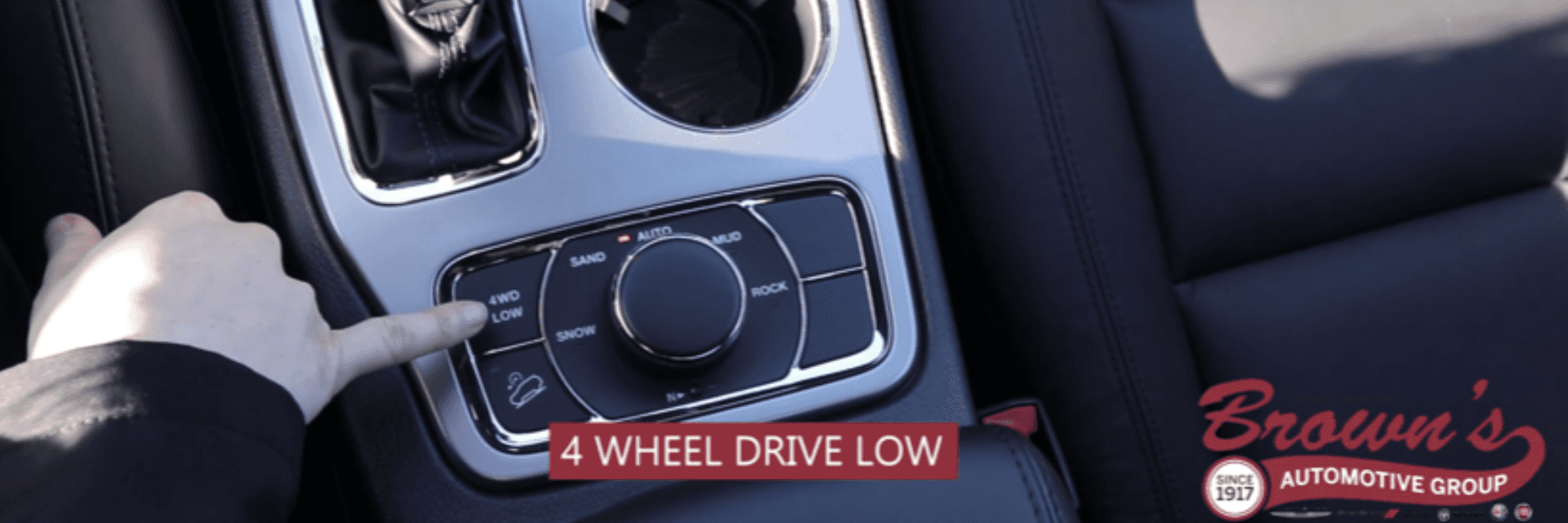
- The system switches automatically. For deep snow or mud, select the appropriate drive mode (e.g., Snow, Mud/Sand) using the console knob.
Key Differences: 2wd Vs. 4wd Modes
Here’s a quick comparison to help you decide which mode to use:
| Mode | Best For | Can Use on Dry Pavement? |
|---|---|---|
| 2WD | Normal road driving | Yes |
| 4WD High | Snow, rain, light off-road | No (unless full-time system) |
| 4WD Low | Deep mud, sand, steep hills | No |
Choosing the wrong mode can lead to tire wear, poor handling, or even expensive repairs.
Practical Tips For Using 4wd
- Always slow down before shifting between modes.
- Do not use 4WD Low for normal driving. It’s only for slow, challenging conditions.
- If wheels spin, ease off the gas. Too much throttle can dig you in deeper.
- After off-road trips, inspect under the vehicle for mud or damage.
- Practice switching modes in a safe area before you need it in real life.
Many new drivers forget to return to 2WD after leaving slippery conditions. This can cause unnecessary stress on your drivetrain and reduce fuel efficiency.
Common Mistakes To Avoid
- Using 4WD on dry pavement: This can bind the drivetrain and cause damage.
- Switching to 4WD Low at high speed: Always stop first to avoid gear damage.
- Forgetting to switch back to 2WD: This increases wear and fuel use.
- Ignoring warning lights: If a 4WD light stays on or flashes, check your manual or visit a mechanic.
A surprising fact: even experienced drivers often forget to check their tire pressure. Uneven tires can cause the 4WD system to work incorrectly.
Troubleshooting: When 4wd Doesn’t Engage
Sometimes, you may notice the 4WD light blinking or the vehicle doesn’t seem to shift modes. Common reasons include:
- Vehicle not stopped or in Neutral (for 4WD Low)
- Electrical issues (in newer models)
- Low fluid levels in the transfer case
- Worn or broken linkage (in older Cherokees)
If you can’t fix it by following the manual, get help from a Jeep-certified mechanic. Never force the shifter or drive with warning lights on for long.
Real-world Example: Driving Through Deep Snow
Imagine a heavy snowstorm. You need to get to work, but the roads are covered. You shift your Cherokee to 4WD High before starting. As you drive, you feel more control on turns and stop signs. If you hit a steep driveway, switching to 4WD Low gives extra power to climb without spinning your wheels.
After reaching clear roads, you return to 2WD for better fuel economy.
Many drivers think 4WD means “unstoppable,” but even in 4WD, it’s important to drive slowly and leave more room for braking. 4WD helps with traction, not stopping distance.
Comparing Jeep Cherokee 4wd To Other Suvs
How Does The Cherokee Stack Up Against Other Suvs?
| Vehicle | 4WD System | Max Towing (lbs) | Fuel Economy (mpg) |
|---|---|---|---|
| Jeep Cherokee | Selec-Trac/Active Drive | 4,500 | 29 highway |
| Toyota RAV4 | AWD | 3,500 | 35 highway |
| Ford Escape | AWD | 3,500 | 34 highway |
The Cherokee’s 4WD is more robust for off-roading, but AWD systems in rivals are easier for daily driving.
Safety Reminders
- Always wear your seatbelt.
- Slow down in slippery conditions, even with 4WD.
- Check your tires and fluids before challenging trips.
- If you get stuck, avoid spinning the tires for more than a few seconds.
- Carry a tow strap, shovel, and emergency kit for off-road adventures.
For more on vehicle safety and advanced features, check the official Jeep website.

Frequently Asked Questions
How Do I Know If My Jeep Cherokee Has 4wd?
Most Cherokees have a badge on the rear or a selector inside. Check your owner’s manual for details on your specific model.
Can I Switch To 4wd While Driving?
In most Cherokees with Selec-Trac or Active Drive, you can shift from 2WD to 4WD Auto at low speeds. For 4WD Low, you must stop and shift to Neutral first.
Is 4wd The Same As Awd?
No. 4WD sends power to all wheels for off-road and tough conditions. AWD is usually automatic and better for light snow and rain.
What Happens If I Use 4wd On Dry Pavement?
This can cause “driveline binding,” leading to damage and expensive repairs. Use 4WD only when needed.
How Often Should I Use 4wd?
Use it whenever you face slippery, loose, or uneven surfaces. Engage it every few months to keep parts lubricated, even if you don’t need it.
Driving a Jeep Cherokee with 4WD is rewarding, but understanding your system is key. With the right knowledge, you’ll have more fun and stay safer wherever your adventures take you.