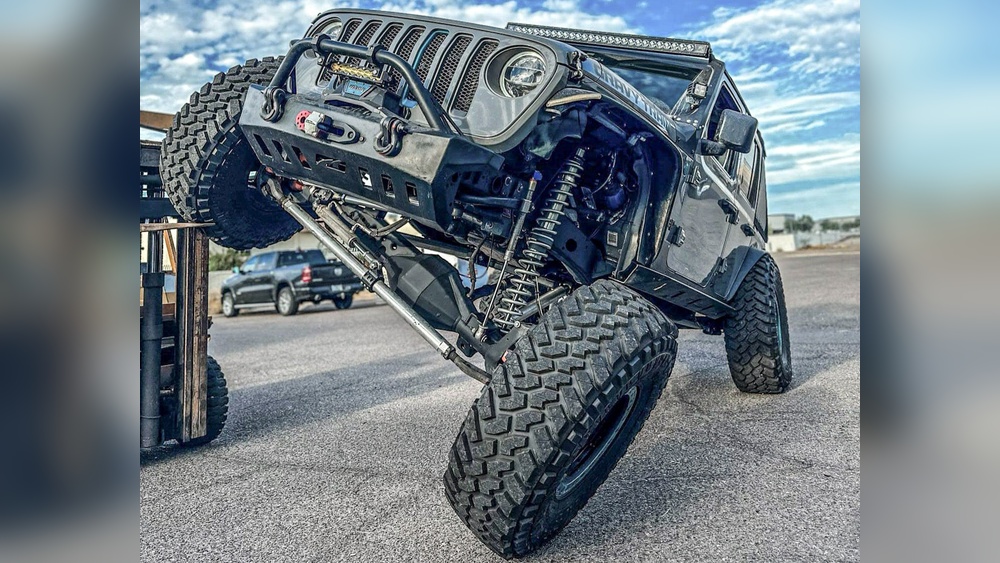
If you own a Jeep Wrangler, you probably love driving on rough roads, exploring trails, and feeling adventure. But after many miles, the ride can get bumpy and less comfortable. This often means your shocks are worn out. Changing shocks is not hard, but it needs the right tools and careful steps. In this guide, you’ll learn how to change shocks on a Jeep Wrangler, avoid common mistakes, and make your ride smooth again.
Why Changing Shocks Matters
Shocks, also known as shock absorbers, keep your Jeep stable. They reduce bouncing when you hit bumps and help your tires stay in contact with the road. If your Jeep Wrangler has old or damaged shocks, you may notice:
- Excessive bouncing after hitting bumps
- Uneven tire wear
- Longer stopping distances
- Poor handling, especially on curves
Replacing shocks improves safety, comfort, and even helps your tires last longer. Many Jeep owners change shocks every 50,000–75,000 miles, but off-road driving may require faster replacement.
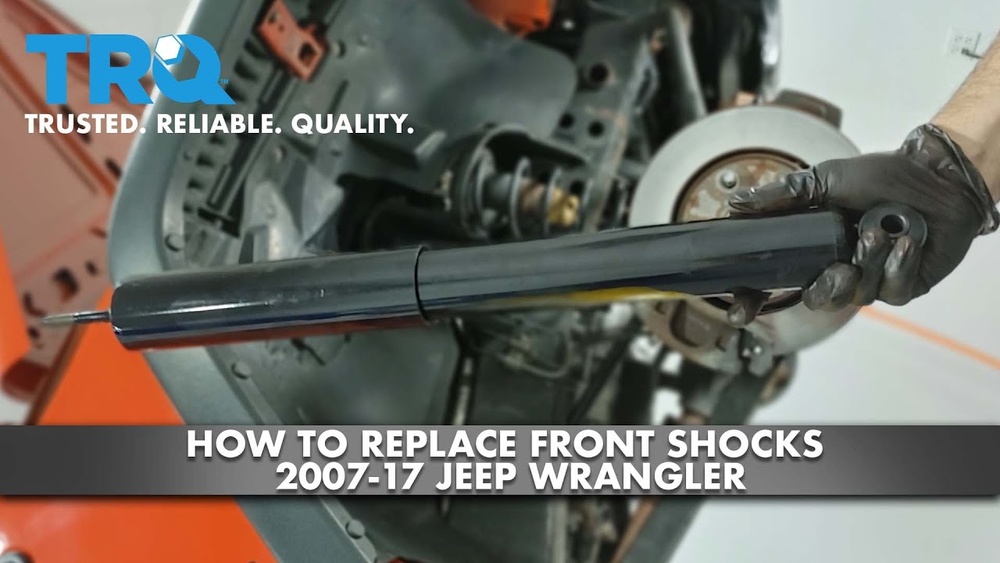
Tools And Parts You’ll Need
Before you begin, gather these items:
- New shocks (make sure they fit your Wrangler’s model year)
- Socket set (metric sizes usually needed)
- Wrench set
- Jack and jack stands
- Penetrating oil (for rusty bolts)
- Torque wrench
- Safety gloves and glasses
You may also want a friend to help—removing old shocks can need extra strength.
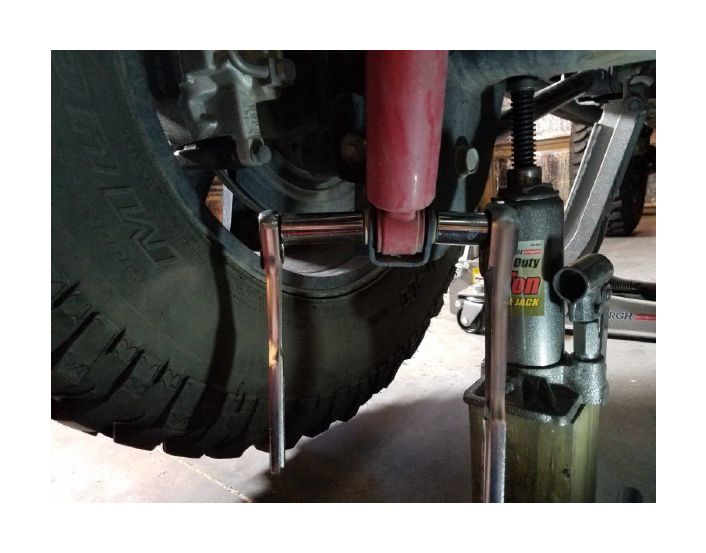
Step-by-step Guide To Changing Shocks
Follow these steps to change shocks safely and correctly.
1. Prepare Your Jeep
- Park on a flat surface and set the parking brake.
- Loosen the lug nuts (if you need to remove wheels).
- Lift the Jeep using a jack and place jack stands under the frame. Make sure the Jeep is stable.
2. Remove Old Shocks
- Spray penetrating oil on the bolts holding the shocks. Wait a few minutes.
- Use a socket and wrench to remove the lower and upper bolts. Sometimes, bolts can be very tight due to rust.
- Pull the old shock out. You may need to wiggle it or use light force.
3. Install New Shocks
- Position the new shock in place. Start with the upper bolt, then the lower.
- Tighten the bolts by hand first, then use a torque wrench to finish. Follow the torque values from your Jeep’s manual (usually 45–70 ft-lbs).
- Repeat for each shock. Most Jeep Wranglers have two front and two rear shocks.
4. Lower The Jeep And Test
- Remove jack stands and lower the Jeep slowly.
- Tighten lug nuts if you removed wheels.
- Test drive on a bumpy road. Listen and feel for any strange noises or vibrations.
Jeep Wrangler Shock Comparison
Choosing the right shocks can be confusing. Here’s a quick comparison of common options:
| Shock Brand | Ride Quality | Best For | Price Range |
|---|---|---|---|
| Bilstein 5100 | Smooth, firm | Off-road & daily | $85–$110 each |
| Fox Performance | Sporty, responsive | Heavy off-road | $120–$150 each |
| Monroe OESpectrum | Soft, comfortable | City driving | $50–$80 each |

Common Mistakes To Avoid
Many beginners make these errors when changing shocks:
- Skipping torque check – Not tightening bolts to the right level can cause shocks to loosen over time.
- Using wrong shock size – Always check your Jeep’s year and suspension setup.
- Ignoring rusty bolts – Forcing rusty bolts can damage mounting brackets.
- Forgetting safety gear – Gloves and glasses prevent injury from flying debris or slipping wrenches.
A non-obvious insight: Even if a shock looks new, if it’s leaking oil or has a dent, it needs replacement. Also, always change shocks in pairs (both front or both rear) for balanced handling.
Diy Vs Professional Service
Is changing shocks yourself better than hiring a mechanic? Here’s a comparison:
| Option | Cost | Time Needed | Skill Required |
|---|---|---|---|
| DIY | $200–$600 | 2–3 hours | Basic mechanical |
| Mechanic | $400–$900 | 1–2 hours | None |
If you’re comfortable with tools, DIY saves money and gives you confidence. For complicated jobs or heavy rust, a mechanic is safer.

When To Upgrade Shocks
Sometimes, changing shocks is not enough. If you drive on rocks, mud, or sand often, consider upgrading to higher-performance shocks. These absorb more impact and last longer. For daily city driving, regular shocks are fine.
A practical tip: After upgrading, check your Jeep’s alignment. New shocks can slightly affect wheel angle, so a quick alignment check prevents uneven tire wear.
Frequently Asked Questions
How Do I Know My Jeep Wrangler Shocks Are Bad?
Look for signs like excessive bouncing, leaking oil on shocks, or uneven tire wear. If your Jeep feels unstable, it’s time to check shocks.
Can I Change Shocks Without Removing Wheels?
Yes, but removing wheels gives better access, especially for rear shocks. It’s safer and easier.
What Torque Should I Use For Shock Bolts?
Most Jeep Wrangler shock bolts need 45–70 ft-lbs torque. Check your manual for exact numbers.
Should I Change All Four Shocks At Once?
It’s best to change shocks in pairs. For ideal handling, change all four if they are old or if you’re upgrading.
Are Aftermarket Shocks Better Than Factory Shocks?
Aftermarket shocks like Bilstein or Fox offer better performance for off-road use. For normal driving, factory shocks are usually enough. For more details, visit Wikipedia.
Changing shocks on your Jeep Wrangler isn’t difficult if you follow clear steps, use the right tools, and pay attention to safety. Upgrading your shocks improves your Jeep’s performance and makes every drive more enjoyable. Whether you love off-roading or just want a smoother ride, fresh shocks make a big difference.