Are Jeep Suvs Safe? A Comprehensive Review
Many people love Jeep SUVs for their rugged style and off-road abilities. But when it comes to safety, buyers want more than adventure—they want peace of mind for themselves and their families. This review looks at how Jeep SUVs perform in safety tests, what features they offer, and how they compare to other brands. If you’re thinking about buying a Jeep, you’ll find clear answers here.
Crash Test Performance
One of the best ways to judge car safety is by looking at crash test results from trusted organizations like the National Highway Traffic Safety Administration (NHTSA) and the Insurance Institute for Highway Safety (IIHS).
| Model | NHTSA Overall Rating | IIHS Top Safety Pick |
|---|---|---|
| Jeep Grand Cherokee | 5 stars | No |
| Jeep Cherokee | 4 stars | No |
| Jeep Wrangler | 4 stars | No |
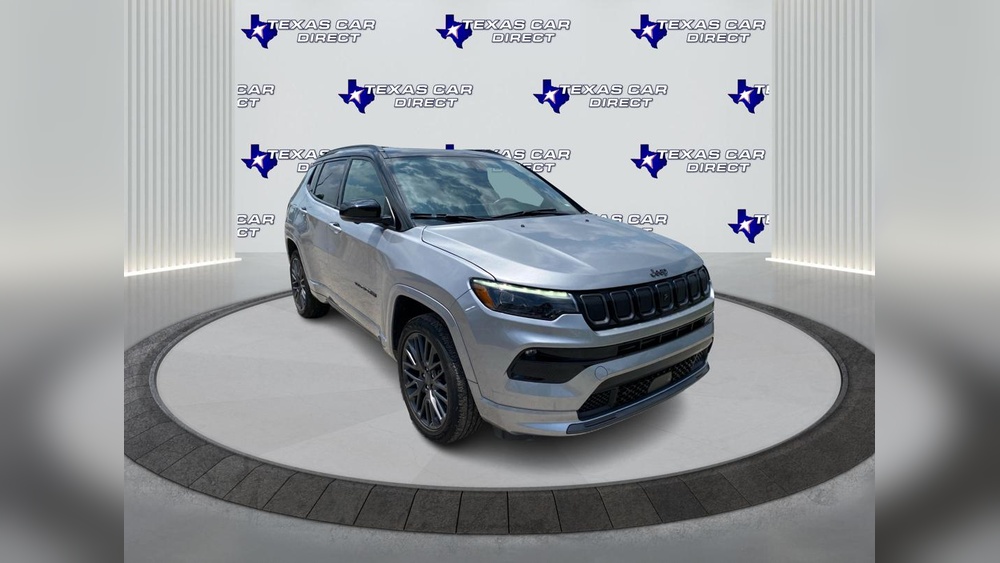
| Jeep Compass | 4 stars | No |
| Jeep Renegade | 4 stars | No |
As you can see, most Jeep SUVs get 4-star safety ratings from NHTSA. The Grand Cherokee stands out with a 5-star rating. However, none of the main Jeep models are listed as IIHS Top Safety Picks, which means they don’t lead the pack in all safety areas.
Key Safety Features
Modern Jeep SUVs come with many safety features. Some are standard, while others are optional depending on the trim level.
- Advanced airbags: Protects driver and passengers in a crash.
- Electronic stability control: Helps keep the SUV stable, especially in slippery conditions.
- Blind spot monitoring: Alerts the driver if another car is in the blind spot.
- Rear cross-path detection: Warns you if something is behind when backing up.
- Forward collision warning: Notifies the driver if a crash seems likely.
- Automatic emergency braking: Can stop the vehicle if a crash is about to happen.
A unique feature in Jeep vehicles is their strong off-road safety systems. For example, the Wrangler and Grand Cherokee have roll mitigation and hill descent control, which are useful for rough terrain.
Two Insights Many Buyers Miss
- Many safety features are optional. On lower trims, you may not get advanced driver aids unless you pay extra. Always check which features come standard on the model you want.
- Off-road systems help on rough roads but don’t replace city safety tech. Features like hill descent control are great for trails, but you still need urban safety tools for daily driving.
Real-world Safety: What Data Says
Looking at safety features and crash tests is important, but real-world accident data also matters. According to the Highway Loss Data Institute (HLDI), Jeep SUVs like the Wrangler have a higher rollover risk than most crossovers, mainly due to their tall, narrow shape and off-road focus.
However, the Grand Cherokee performs well in real-world crash data, showing fewer injury claims than average. This suggests that, while some Jeep models offer solid protection, others may be riskier in certain situations.
Jeep Vs. Other Suvs
How do Jeep SUVs compare to other popular brands? Here’s a quick comparison of the Jeep Grand Cherokee against the Toyota Highlander and Ford Explorer.
| Feature | Jeep Grand Cherokee | Toyota Highlander | Ford Explorer |
|---|---|---|---|
| NHTSA Rating | 5 stars | 5 stars | 5 stars |
| IIHS Top Safety Pick | No | Yes | No |
| Automatic Emergency Braking | Optional | Standard | Standard |
| Blind Spot Monitor | Optional | Standard | Standard |
Jeep competes well in crash ratings, but often falls behind in standard safety equipment. Brands like Toyota offer more features without extra cost.
Common Safety Concerns
While Jeep SUVs are built tough, some issues come up often:
- Rollover risk: Models like the Wrangler are more likely to roll over due to their design.
- Crash compatibility: Some Jeeps, especially older models, do not protect as well in side impacts.
- Visibility: Tall hoods and spare tires can block the driver’s view, making parking and backing up harder.
A practical tip: If you buy a Jeep for family use, test-drive it in the city and try all the safety features yourself. Don’t focus only on off-road ability.
Recent Improvements And Recalls
Jeep has been working to improve safety. Recent Grand Cherokee models offer more airbags and stronger crash structures. Still, buyers should be aware of recalls. For example, there have been recalls for airbag issues and brake problems in some years.
Before buying, always check the recall history for your chosen model. You can do this on the NHTSA website or with the vehicle’s VIN.

Who Should Choose A Jeep Suv?
If you want off-road capability and enjoy adventure, a Jeep SUV can be a good choice—especially the Grand Cherokee, which balances safety and ruggedness. However, if your main concern is city driving and you want the latest safety technology as standard, you may find more value in rivals like Toyota or Honda.
Two things many shoppers forget:
- Insurance costs for Jeeps can be higher, especially for models with higher accident rates.
- Resale value may drop faster for models with poor safety scores, especially if new safety tech becomes standard in other brands.
Frequently Asked Questions
Are Jeep Suvs Good For Families?
Jeep SUVs like the Grand Cherokee offer space and comfort, but some models lack the latest safety features as standard. If safety is your top priority, check which features come with the trim you want.
Do All Jeep Suvs Have Advanced Safety Features?
Not all of them. Many features—like blind spot monitoring or automatic emergency braking—are optional on lower trims. Always check before you buy.
How Do Jeep Suvs Perform In Rollover Tests?
Models like the Wrangler have higher rollover risks due to their shape and off-road design. The Grand Cherokee and Compass have lower rollover rates but still don’t match the best in class.
Are Jeep Suvs Expensive To Insure?
Insurance rates can be higher for Jeeps, especially for models with higher accident or theft rates. Always get a quote before buying.
Where Can I Find The Latest Jeep Safety Ratings?
You can check the most up-to-date ratings at the NHTSA official website for each model and year.
Jeep SUVs can be safe, especially if you choose the right model and trim. But to get the best protection, pay attention to crash ratings, standard safety gear, and your real-world driving needs. Safe driving always starts with making an informed choice.