The Jeep Patriot was once a familiar sight on roads across America. Its boxy design, affordable price, and recognizable Jeep badge made it popular among entry-level SUV buyers. But in 2017, Jeep officially discontinued the Patriot, leaving many fans and owners wondering why this happened.
Understanding the reasons behind the Patriot’s end can help buyers make better choices and see how the automotive market shifts over time.
The History Of The Jeep Patriot
The Jeep Patriot debuted in 2006 as a compact SUV. It was aimed at buyers who wanted a rugged look, simple features, and a budget-friendly price. The Patriot shared its platform with the Jeep Compass and Dodge Caliber, using a similar engine and transmission setup. Over its production run, Jeep sold more than 700,000 Patriots worldwide.
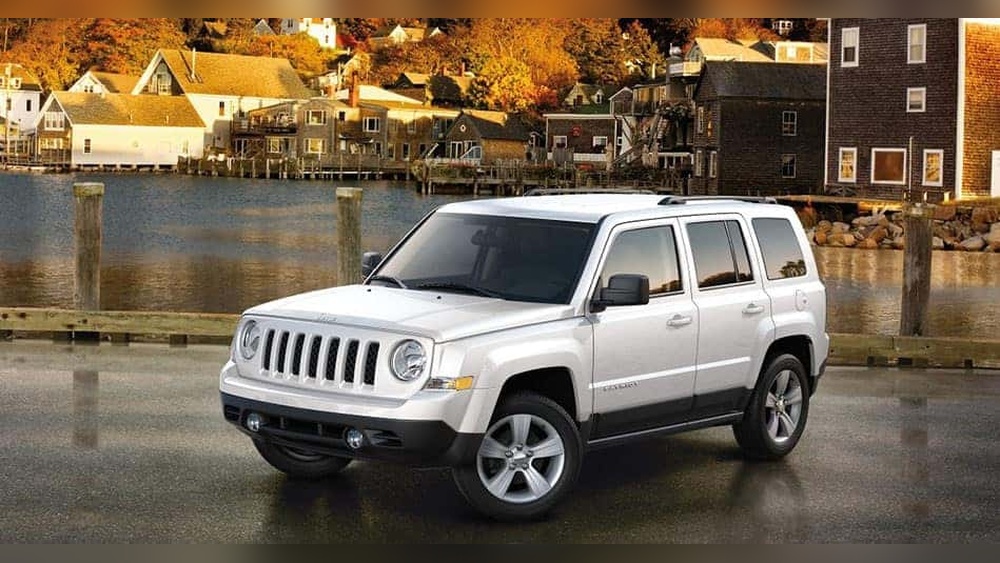
Although the Patriot offered options like four-wheel drive and decent cargo space, it struggled to compete with newer, more advanced compact SUVs. By 2017, the Patriot had become outdated compared to rivals.
Key Reasons For Discontinuation
Several factors led to the discontinuation of the Jeep Patriot. These reasons include changing market trends, poor performance in certain areas, and Jeep’s desire to modernize its lineup.
1. Outdated Design And Features
The Patriot’s design was boxy and simple. While some buyers liked this, most preferred modern shapes and better interiors. The Patriot lacked features like advanced infotainment systems, high-quality materials, and active safety technologies that competitors started offering.
| Feature | Jeep Patriot (2017) | Honda CR-V (2017) |
|---|---|---|
| Touchscreen Display | Optional, Small | Standard, Larger |
| Automatic Emergency Braking | No | Yes |
| Interior Material Quality | Basic | Premium |
2. Poor Engine Performance And Fuel Economy
The Patriot used older engines that were less powerful and less efficient than competitors. For example, the base 2. 0L engine offered just 158 horsepower, while the 2. 4L version reached 172 horsepower. Many rivals provided smoother rides and better fuel economy.
| Model | Horsepower | MPG (City/Highway) |
|---|---|---|
| Jeep Patriot | 158–172 | 23/30 |
| Toyota RAV4 | 176 | 26/35 |
| Ford Escape | 168–245 | 23/30 |
3. Market Trends And Competition
The compact SUV segment became very competitive after 2010. Buyers wanted more comfort, technology, and efficiency. The Patriot’s sales started to drop as models like the Honda CR-V, Toyota RAV4, and Mazda CX-5 introduced new features and improved designs.
Another non-obvious insight is that Jeep itself was competing against the Patriot. The Jeep Compass was sold alongside the Patriot, offering similar pricing but a more modern look and better features. This caused confusion among buyers and split Jeep’s own sales.
4. Safety Ratings
Safety became a bigger concern for buyers. The Patriot scored poorly in some crash tests, especially side impacts and roof strength. It lacked advanced safety aids like lane departure warning and blind spot monitoring, which were becoming standard in many competitors.
| Model | IIHS Side Impact Rating | Available Safety Features |
|---|---|---|
| Jeep Patriot | Marginal | Few |
| Honda CR-V | Good | Many |
| Toyota RAV4 | Good | Many |
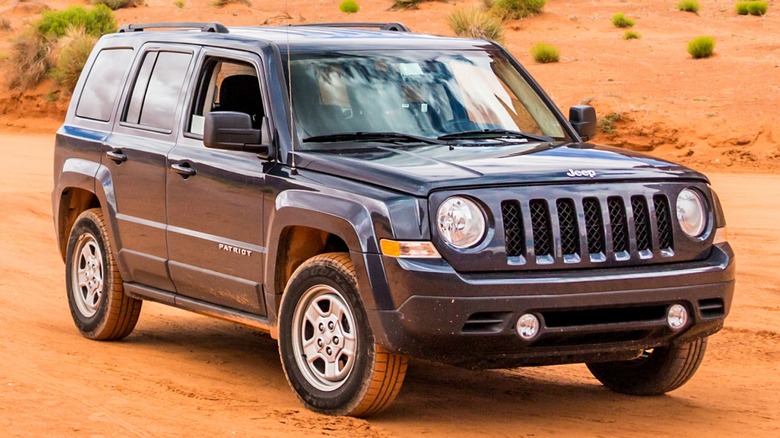
Jeep’s Shift In Strategy
Jeep decided to focus on newer models and better technology. The 2017 Jeep Compass replaced both the Patriot and the older Compass. The new Compass was safer, more efficient, and had modern features. Jeep also wanted to reduce confusion by having fewer overlapping models.
The company’s move matched a broader industry trend: automakers were dropping older models to invest in vehicles with advanced tech, better efficiency, and improved safety. According to Cars.com, this decision helped Jeep grow its brand reputation and sales.
Lessons For Buyers
The Jeep Patriot’s discontinuation teaches several lessons:
- Technology matters: Buyers want the latest safety and convenience features.
- Efficiency is key: Fuel economy and performance are important, even for budget SUVs.
- Brand clarity: Too many similar models can confuse buyers and weaken sales.
- Safety is non-negotiable: Poor crash scores and missing safety aids can hurt a car’s reputation.
A practical tip for buyers: always check the latest models and compare features, safety scores, and efficiency before making a decision. Don’t be swayed by older designs or brand loyalty alone.
Frequently Asked Questions
Why Did Jeep Offer The Patriot And Compass At The Same Time?
Jeep launched both models to target different buyers, but their pricing and features overlapped. This caused confusion and split sales. The new Compass replaced both to simplify the lineup.
Was The Jeep Patriot Reliable?
The Patriot was reliable in basic daily use, but owners reported issues with transmissions, electrical systems, and engine performance. Reliability ratings were average compared to rivals.
Are Patriot Parts Still Available?
Yes, many Patriot parts are available through Jeep dealers and aftermarket suppliers. However, unique parts may become harder to find as the model ages.
Is The Jeep Patriot A Good Used Car?
It can be a good choice for buyers needing a basic, affordable SUV. However, consider its lower safety scores, older technology, and weaker performance compared to newer models.
What Replaced The Jeep Patriot?
The 2017 Jeep Compass replaced the Patriot. It offers improved safety, technology, and efficiency, matching modern buyer expectations.
The Jeep Patriot’s journey shows how quickly the auto industry moves. Models need to adapt, improve, and stay relevant to survive. Jeep’s decision was not just about sales numbers, but about meeting new standards and buyer demands. Today, the Patriot is part of Jeep’s history—a reminder that even strong brands must evolve to stay ahead.