Is Jeep 4.7l Engine A Good Or Bad Engine?
Jeep’s 4.7L V8 engine, also known as the PowerTech 4.7, is a topic of debate among SUV and truck owners. Introduced in 1999, it powered popular models like the Grand Cherokee, Dodge Dakota, and Ram 1500. Some drivers praise its reliability and power, while others warn about serious issues. So, is the Jeep 4.7L engine good or bad? Let’s take a closer look at its strengths, weaknesses, and what you should know before making a decision.
Main Features Of The Jeep 4.7l Engine
The Jeep 4. 7L engine is a V8, made for both performance and utility. It was Chrysler’s answer to the need for a modern, lightweight V8 in SUVs and trucks.
Key specifications:
| Feature | Detail |
|---|---|
| Engine Type | 4.7L SOHC V8 |
| Horsepower | 235–265 hp (varies by year/model) |
| Torque | 295–330 lb-ft |
| Fuel System | Sequential multi-port fuel injection |
| Timing | Chain-driven |
This engine was designed for smooth power and solid towing ability. It’s lighter than older Jeep V8s, making vehicles more agile.
Advantages Of The Jeep 4.7l Engine
Many owners appreciate what the 4.7L engine offers. Here are some of the top benefits:
- Strong Torque: It delivers good low-end torque, useful for towing and off-road driving.
- Smooth Performance: The engine runs quietly and feels refined compared to older Jeep engines.
- Versatile Use: Found in a range of trucks and SUVs, it balances power and fuel economy better than larger V8s.
- Aftermarket Support: There are performance parts and upgrades available, so enthusiasts can boost horsepower or reliability.
A real-world example: Many Jeep Grand Cherokee owners report reaching 200,000 miles with only routine maintenance. This demonstrates the engine’s potential for long life if cared for properly.
Common Problems And Weaknesses
Despite its strengths, the Jeep 4.7L V8 has some known issues. Not all engines will have these problems, but they are common enough to be aware of:
Top Issues
| Problem | Description | Repair Cost (Estimate) |
|---|---|---|
| Sludge Buildup | Poor oil maintenance leads to internal sludge, blocking oil passages and causing engine failure. | $2,000–$4,000 (engine rebuild) |
| Timing Chain Failure | Worn timing chains can cause rough running or engine damage. | $1,000–$2,000 |
| Valve Seat Drop | Overheating or poor cooling can cause valve seats to drop, leading to loss of compression. | $1,500–$3,000 (cylinder head repair) |
| Intake Manifold Leaks | Plastic manifolds can crack and leak, causing rough idle or misfires. | $500–$1,200 |
What Beginners Often Miss
- Oil Changes Matter More: The 4.7L is sensitive to dirty oil. Skipping oil changes can quickly lead to sludge and engine failure, much faster than with some other engines.
- Cooling System Neglect: Overheating is a frequent cause of valve seat problems. Always check coolant levels and replace the radiator or water pump if there are leaks.
How The 4.7l Compares To Other Jeep Engines
Many buyers wonder how the 4.7L stacks up against alternatives like the 4.0L inline-six or the 5.7L Hemi V8. Here’s a quick comparison:
| Engine | Displacement | Horsepower | Reliability | Common Use |
|---|---|---|---|---|
| 4.0L I6 | 4.0L | 190 hp | Very High | Cherokee, Grand Cherokee |
| 4.7L V8 | 4.7L | 235–265 hp | Medium | Grand Cherokee, Dakota, Ram |
| 5.7L Hemi V8 | 5.7L | 325–360 hp | High | Grand Cherokee, Ram |
The 4. 0L inline-six is famous for reliability but lacks power. The 5. 7L Hemi is more powerful and reliable, but uses more fuel and costs more to maintain. The 4. 7L is a balance between them but is less forgiving if you skip maintenance.
Maintenance Tips For Long Life
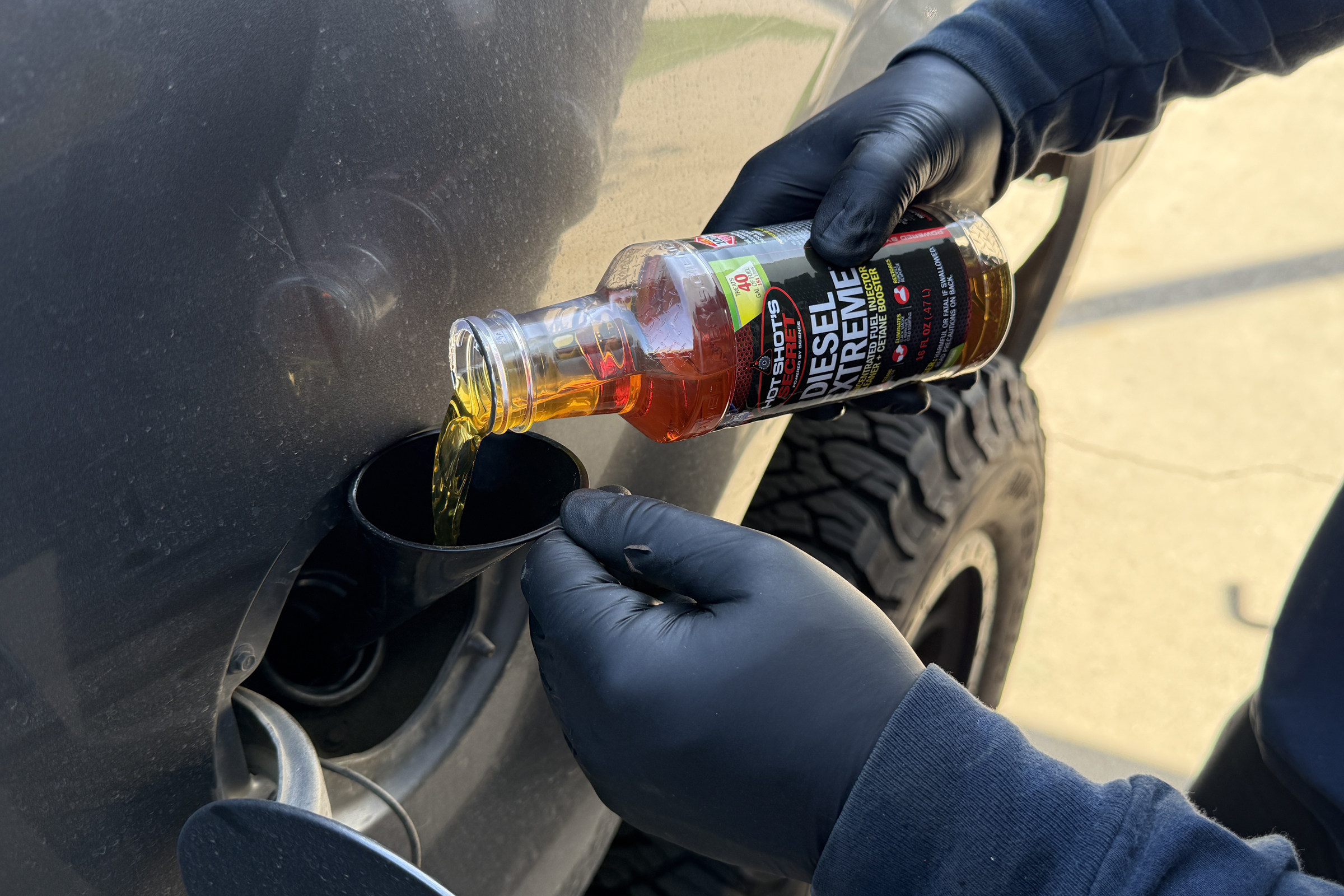
Owners who keep their 4.7L engine running well usually follow these habits:
- Change oil and filter every 3,000–5,000 miles.
- Use the recommended oil grade (usually 5W-30 or 10W-30).
- Flush the cooling system every 2 years.
- Watch for overheating and repair leaks quickly.
- Replace spark plugs and air filter as recommended.
A smart tip: Use high-quality synthetic oil. It helps prevent sludge buildup, which is a common killer for this engine.
Is The Jeep 4.7l Engine Right For You?
Choosing the 4.7L engine depends on your priorities. It offers strong performance and can last many years if well maintained. However, it requires more attention than some competitors.
It is a good choice if:
- You like V8 power but don’t want the fuel costs of a bigger engine.
- You can commit to regular maintenance.
- You need a Jeep or Dodge with good towing ability.
It may not be ideal if:
- You want a “low-maintenance” engine.
- You often forget routine checks and oil changes.

Real-world Owner Experiences
Many owners are happy with their 4. 7L engines, reporting over 200,000 miles with few repairs. Others have faced expensive engine replacements due to neglect. Reviews on forums show that regular care is the biggest factor.
One owner wrote, “I’ve had my Grand Cherokee for 15 years. The 4. 7L still runs strong, but I never miss an oil change. ”
Final Thoughts
The Jeep 4. 7L engine is neither all good nor all bad. It offers a great mix of power and smoothness for its size, but it demands careful maintenance. If you want an engine you can forget about, this is not it.
If you’re willing to keep up with oil changes and cooling system checks, the 4. 7L can serve you well. Always check service history before buying a used Jeep or Dodge with this engine.
For more technical details, you can read further on the Chrysler PowerTech engine page.
Frequently Asked Questions
Is The Jeep 4.7l Engine Reliable?
The 4.7L engine can be reliable with good care. It is sensitive to poor maintenance, especially skipped oil changes and overheating.
What Years Did Jeep Use The 4.7l Engine?
Jeep used the 4.7L engine from 1999 to 2013 in models like the Grand Cherokee and Commander.
How Much Does It Cost To Rebuild A 4.7l Engine?
A rebuild usually costs $2,000–$4,000 depending on damage and labor rates.
What Is The Towing Capacity With The 4.7l Engine?
Most vehicles with the 4.7L engine can tow between 5,000 and 7,200 pounds, depending on the model and year.
Is The 4.7l Better Than The 4.0l Inline-six?
The 4.7L V8 offers more power and towing, but the 4.0L I6 is more reliable and simpler to maintain. Your choice depends on your needs.