Jeep Grand Cherokee Transmission Problems
The Jeep Grand Cherokee is one of America’s most popular SUVs, known for its off-road ability and comfort. But many owners have faced serious transmission problems over the years. These issues can turn a smooth drive into a stressful experience. If you own or plan to buy a Grand Cherokee, understanding these problems will save you time, money, and frustration.
Common Transmission Problems In Jeep Grand Cherokee
Many Grand Cherokee drivers report similar issues. Here are the most frequent problems:
- Rough Shifting: The transmission may shift hard between gears, especially from first to second or second to third.
- Delayed Engagement: After shifting from Park to Drive or Reverse, the car hesitates before moving.
- Transmission Slipping: The engine revs, but the SUV doesn’t move as it should. This is a classic sign of slipping.
- Warning Lights: “Check Engine” or transmission warning lights appear on the dashboard.
- Unusual Noises: Grinding, whining, or clunking sounds often signal internal damage.
Drivers with 2011-2014 models seem to experience these issues more often, but even newer models can have problems.
Why Do These Problems Happen?
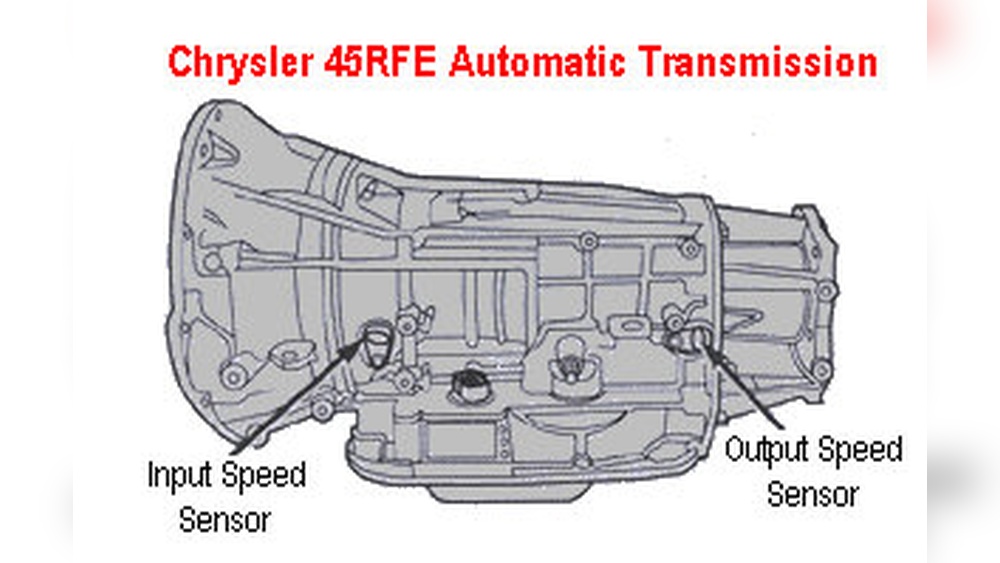
The Grand Cherokee uses both automatic and 8-speed ZF transmissions. Problems can come from several causes:
- Faulty Solenoids: These control the flow of transmission fluid. If they fail, shifting becomes rough or unpredictable.
- Software Issues: Some Grand Cherokees need computer updates to fix shifting problems.
- Fluid Problems: Low or dirty transmission fluid increases wear on internal parts.
- Defective Valve Body: This part directs hydraulic fluid, and if it’s damaged, gears won’t engage smoothly.
Many owners don’t realize that using the wrong transmission fluid or skipping routine maintenance can make these issues worse.
Data: Which Years Are Worst?
Some Grand Cherokee years are more reliable than others. The following table shows which model years have the most transmission complaints:
| Model Year | Transmission Complaints | Common Issues |
|---|---|---|
| 2011 | High | Rough shifting, slipping |
| 2012 | Very High | Delayed engagement, hard shifts |
| 2014 | High | Warning lights, software faults |
| 2017 | Moderate | Shuddering, fluid leaks |
| 2020+ | Low | Occasional rough shifts |
Models from 2012 and 2014 stand out for the highest number of complaints according to owner reports.
Cost To Fix Jeep Grand Cherokee Transmission Problems
Repair costs can vary widely depending on the issue. Here’s a quick comparison:
| Problem | Estimated Repair Cost | Repair Time |
|---|---|---|
| Transmission Fluid Change | $150 – $300 | 1-2 hours |
| Solenoid Replacement | $350 – $700 | 2-4 hours |
| Valve Body Replacement | $800 – $1,200 | 4-5 hours |
| Full Transmission Rebuild | $2,500 – $4,500 | 1-3 days |
A simple fluid change is affordable, but a rebuild can cost thousands. Always ask for a diagnosis before agreeing to repairs.

How To Spot Transmission Problems Early
Catching problems early can prevent a small fix from becoming a major repair. Watch for these signs:
- Sudden jerking when shifting gears
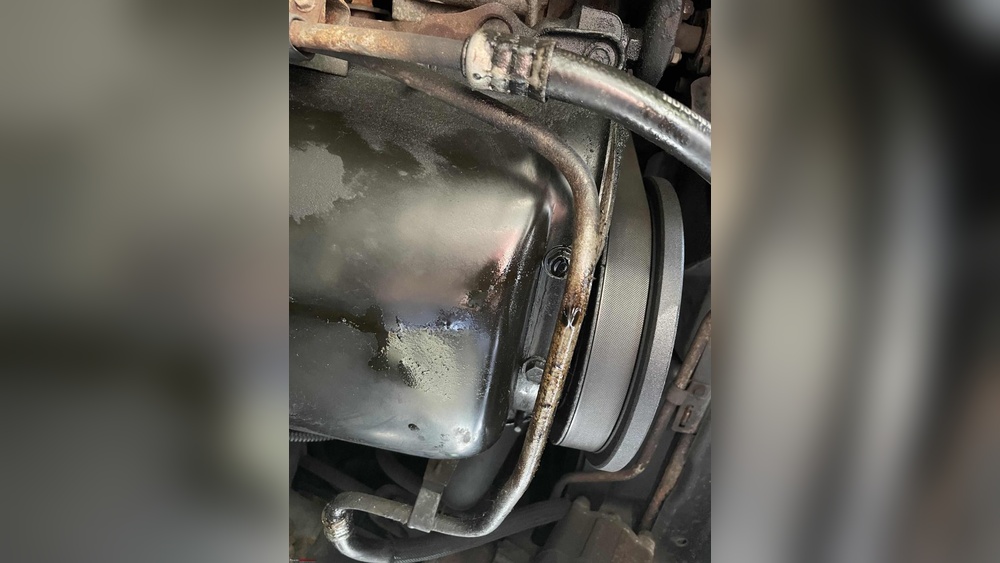
- Fluid leaks under your vehicle (red or brown fluid)
- Burning smell after driving
- Sudden RPM changes without speed increase
If you notice any of these, have your SUV checked by a certified mechanic as soon as possible.
Preventing Transmission Failure
A little care goes a long way. Here’s how you can reduce the risk of transmission failure:
- Change Transmission Fluid: Replace fluid every 60,000 miles or as your owner’s manual recommends.
- Use Only Recommended Fluid: Jeep transmissions are sensitive to fluid type.
- Get Regular Software Updates: Ask your dealer about computer updates during service visits.
- Avoid Aggressive Driving: Hard acceleration and towing heavy loads put extra stress on the transmission.
- Fix Small Leaks Quickly: Even small leaks can lead to major damage.
Many drivers forget about regular transmission service, but it’s just as important as oil changes.

Real-world Example
In 2014, Jeep recalled over 800,000 Grand Cherokees due to a software problem that caused unexpected shifting and rollaway risk. This is proof that even modern SUVs with advanced tech can face serious issues.
When To Repair Or Replace
Sometimes repairs are not enough. If your transmission has failed more than once, or if the repair cost is more than half the value of your Grand Cherokee, it may be smarter to replace the entire unit.
Here’s a quick comparison for decision-making:
| Situation | Recommended Action |
|---|---|
| One-time minor problem | Repair |
| Multiple failures, high mileage | Replace |
| Vehicle under warranty | Dealer repair |
| Out of warranty, repair cost >50% of car value | Replace or consider selling |
Always get a second opinion if you’re unsure.
Frequently Asked Questions
What Causes Jeep Grand Cherokee Transmission Failure?
Transmission failure is often caused by low or dirty fluid, worn parts, overheating, or ignored warning signs. In some models, factory defects or software bugs are the main reason.
How Long Should A Grand Cherokee Transmission Last?
With good maintenance, a Grand Cherokee transmission can last 150,000 to 200,000 miles. Skipping service or using the wrong fluid can cut this lifespan in half.
Is There A Recall For Jeep Grand Cherokee Transmission Problems?
Yes, there have been recalls, especially for 2014 models. For up-to-date information, check the official NHTSA website or your local Jeep dealer.
Can I Drive With A Slipping Transmission?
Driving with a slipping transmission is risky. It can leave you stranded or cause further damage. Get it checked and fixed as soon as possible.
Where Can I Find More Details About Jeep Grand Cherokee Problems?
For more in-depth information, visit the official NHTSA database for recalls and owner reports.
A Jeep Grand Cherokee is a reliable SUV for many, but transmission problems can be expensive and stressful. If you watch for early signs and keep up with maintenance, you’ll greatly lower your risk. And if you’re shopping for a used model, avoid years with high complaint rates.
Smart ownership starts with knowing what to expect.