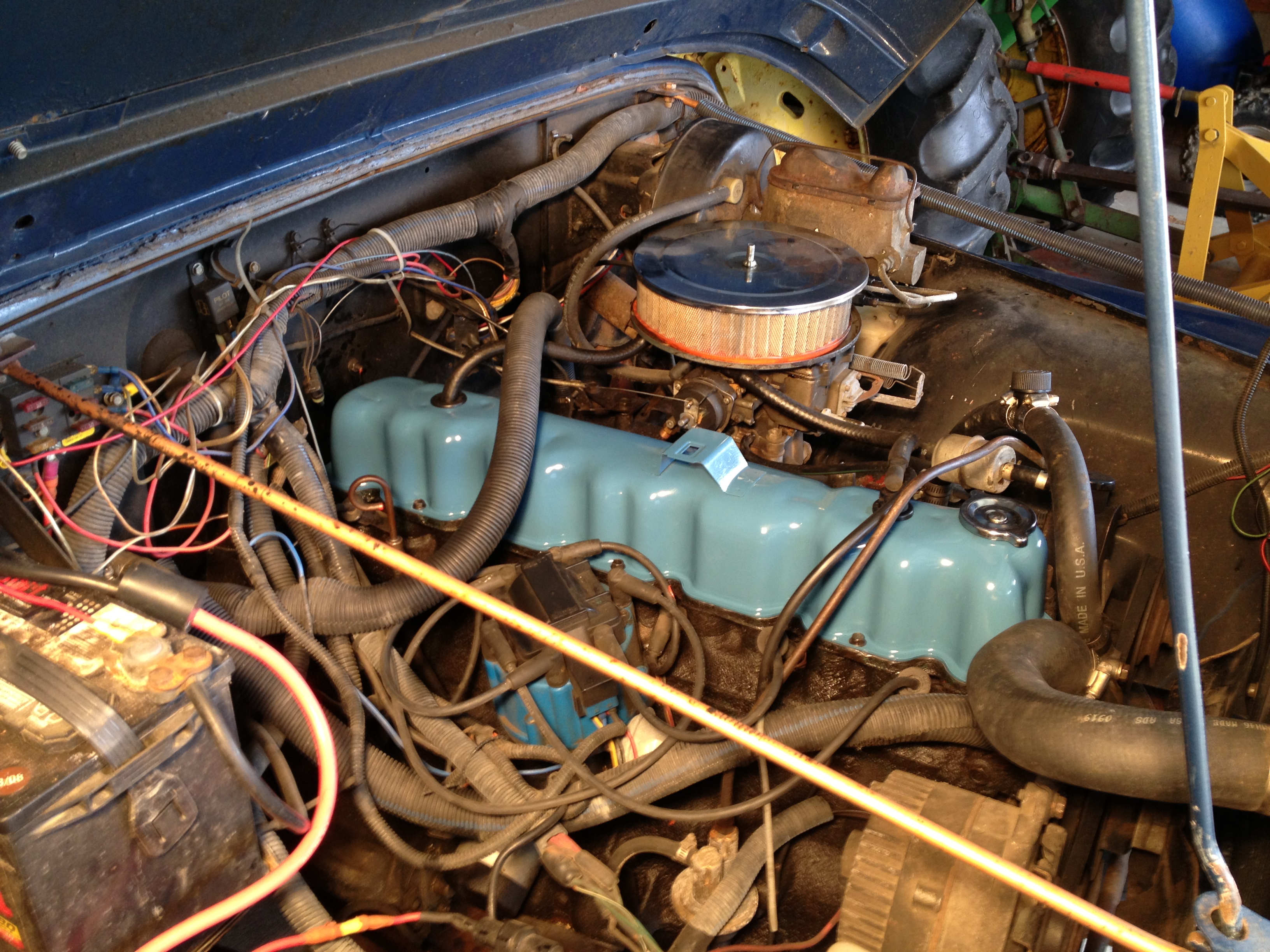
The Jeep 258 engine, known for its reliability and strong low-end torque, remains a favorite among classic Jeep owners. But if you want more power, better fuel economy, or smoother performance, engine upgrades can make a big difference. With the right improvements, your 258 can handle modern roads and off-road challenges with confidence.
Popular Jeep 258 Engine Upgrades
Upgrading the Jeep 258 engine is not just about adding horsepower. Many upgrades improve drivability, reliability, and efficiency. Here’s what experienced owners and mechanics recommend.
1. Carburetor Upgrade
The stock carburetor can cause rough idling and poor response. Upgrading to a Weber 32/36 or Holley 390 CFM carb offers:
- Smoother throttle response
- Easier cold starts
- Better fuel efficiency
2. Intake Manifold Swap
Stock intake manifolds restrict airflow. An aluminum aftermarket manifold increases horsepower and allows the engine to breathe better. Brands like Clifford and Offenhauser are popular choices.
3. Header And Exhaust System
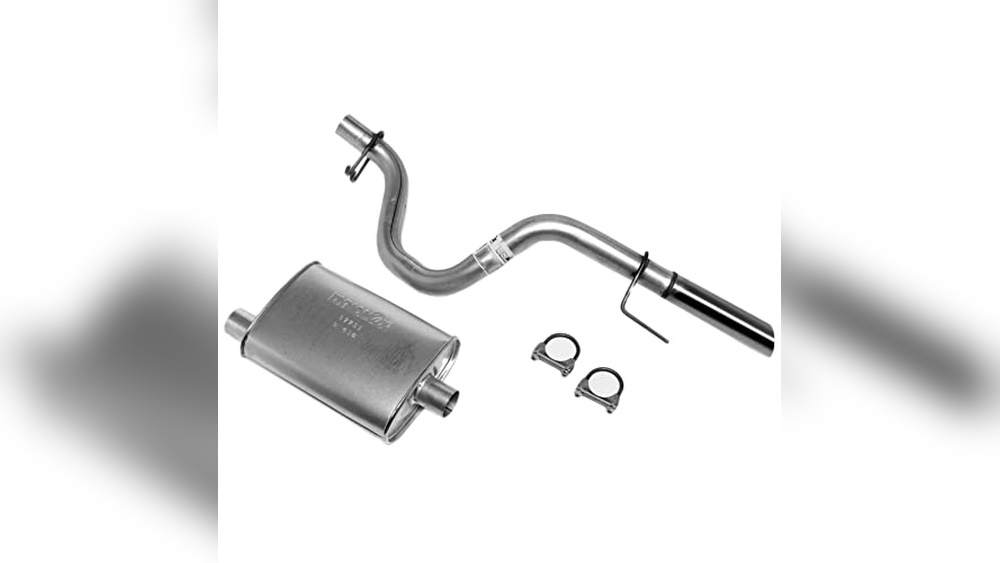
A performance header replaces the restrictive stock exhaust manifold. Pairing it with a 2.25″ or 2.5″ exhaust helps:
- Improve horsepower (up to 15 HP gain)
- Reduce engine temperature
- Provide a deeper exhaust note
4. Ignition System Upgrade
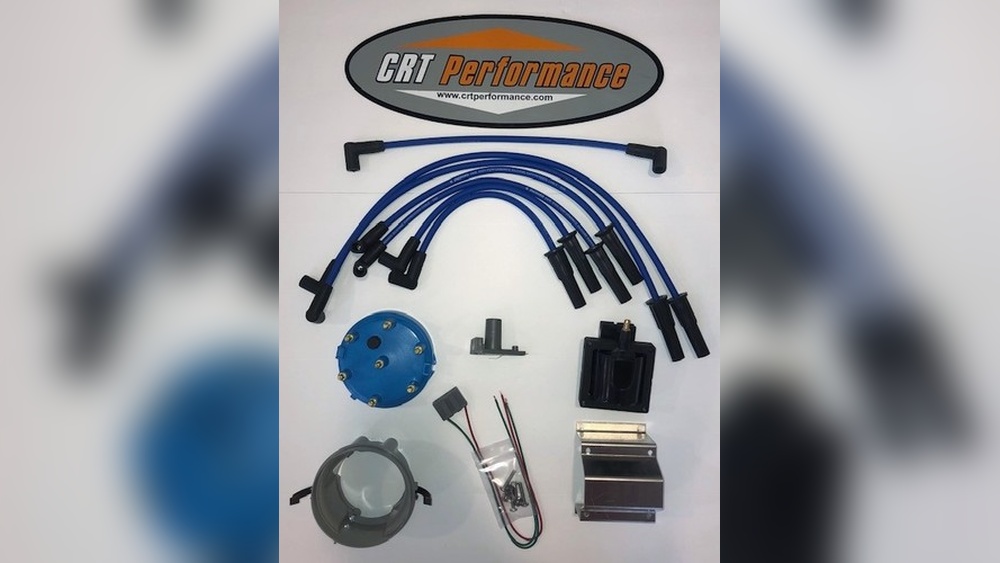
The factory ignition is weak. An HEI (High Energy Ignition) distributor or MSD system gives:
- Stronger spark
- Easier starting
- Smoother idle
- Better MPG
5. Camshaft Upgrade
A mild performance camshaft (like Comp Cams 68-232-4) increases lift and duration, giving:
- Noticeable power gains above 2,500 RPM
- Improved acceleration
6. Cylinder Head Improvements
Mild porting and polishing of the cylinder head, or swapping to a later-model 4.0L head, improves airflow. This can lead to 10-20% power gains.
7. Fuel Injection Conversion
Switching from a carburetor to fuel injection (like the Mopar MPI kit or Howell TBI) brings:
- Better cold starts
- More consistent performance at different altitudes
- Lower emissions
8. Cooling System Enhancements
The 258 can run hot, especially with upgrades. Adding an aluminum radiator and high-flow water pump helps prevent overheating.
9. Performance Pistons
Forged or hypereutectic pistons allow higher compression and better durability, especially if you plan to boost the engine.
10. Electronic Engine Management
Installing a standalone ECU gives precise control over fuel and spark. This is key for customized builds.
11. Rocker Arm Upgrade
Roller-tip rocker arms reduce friction and wear, improving efficiency and allowing higher RPM operation.
12. High-flow Air Filter
A K&N or similar high-flow filter is a simple swap that boosts airflow for a small horsepower gain.
13. Performance Timing Chain
A double-roller timing chain is more durable and keeps timing accurate, which matters at higher RPMs.
14. Upgraded Valve Springs
Stiffer valve springs prevent valve float if you’re running a hotter camshaft.
15. Lightweight Flywheel
A lighter flywheel allows the engine to rev faster and improves throttle response.
16. Balanced Rotating Assembly
Balancing the crank, rods, and pistons reduces vibration and stress, increasing engine life.
17. Gasket And Seal Upgrades
High-quality MLS head gaskets and seals prevent leaks, especially with higher compression or boost.
18. Oil System Improvements
A high-volume oil pump and windage tray ensure good lubrication under hard use.
19. Adjustable Fuel Pressure Regulator
Fine-tuning fuel pressure allows better matching of air/fuel ratio to your upgrades.
20. Upgraded Fuel Injectors
If you’ve converted to EFI, higher-flow injectors are needed for more power.
21. Aftermarket Harmonic Balancer
A stronger harmonic balancer protects the crankshaft at high RPM.
22. Lightweight Pulleys
Aluminum pulleys reduce rotating mass, freeing up a bit more power.
23. Engine Mount Upgrades
Polyurethane mounts reduce engine movement, improving throttle response and reliability.
24. Turbocharging
A custom turbo kit can double the engine’s horsepower, but requires forged internals and proper tuning.
25. Supercharging
Superchargers are rare but possible, delivering instant power for off-road or street use.
26. Transmission Matching
Pairing your upgraded 258 with a stronger AX15 or NV3550 transmission handles more torque and gives smoother shifts.
27. Gear Ratio Changes
Changing axle gear ratios helps take advantage of extra power and improves acceleration.
28. Custom Engine Tuning
A professional dyno tune maximizes gains from all your upgrades and ensures engine safety.
29. Emissions Equipment Upgrades
Modern catalytic converters and air pumps keep your Jeep legal without hurting performance.
30. Regular Maintenance
No upgrade replaces good maintenance. Fresh plugs, wires, and fluids keep your Jeep running strong.
Comparing Key Upgrades
To help you decide, here’s how three popular upgrades compare in cost, difficulty, and horsepower gains:
| Upgrade | Estimated Cost | DIY Difficulty | HP Gain |
|---|---|---|---|
| Weber Carburetor | $350 | Medium | +10-15 HP |
| Header & Exhaust | $400-$600 | Medium | +10-15 HP |
| Fuel Injection | $1,500+ | Hard | +10-20 HP |
Example Build Paths
Some upgrades work best in combination. Here’s a sample build for a daily driver and an off-road Jeep:
| Type | Recommended Upgrades | Main Benefit |
|---|---|---|
| Daily Driver | Weber Carb, HEI Ignition, Header, Aluminum Radiator | Smoother, reliable power |
| Off-Road | Fuel Injection, Camshaft, Gear Ratio Change, Poly Mounts | Low-end torque, durability |
Common Mistakes To Avoid
- Mixing incompatible parts: Make sure upgrades work together (e.g., carb and intake manifold compatibility).
- Ignoring cooling: More power generates more heat—upgrade the radiator.
- Forgetting about emissions: Check local laws before removing any emissions equipment.

Non-obvious Insights
- Upgrading the ignition system often solves more problems than a carb swap, especially on old engines.
- Swapping to a 4.0L head requires matching the intake and exhaust manifolds—this is not a bolt-on for everyone.
- Proper tuning after upgrades is essential for both power and reliability.
Final Thoughts
Upgrading your Jeep 258 engine transforms your driving experience, from daily commutes to off-road adventures. Focus on reliable, compatible upgrades and don’t skip tuning and cooling improvements. With careful planning, your classic Jeep will run stronger and last longer than you might expect.

Frequently Asked Questions
What Is The Best First Upgrade For The Jeep 258 Engine?
A carburetor swap or ignition upgrade gives the most noticeable improvement for the least money and effort.
Can I Install Fuel Injection Myself?
Yes, but it’s a complex job. Basic mechanical and wiring skills are required. Many owners use kits like the Howell TBI or Mopar MPI.
Will Upgrading My Exhaust Hurt Fuel Economy?
No, a free-flowing exhaust can improve both power and fuel economy, as long as the system is not too large.
Is A 4.0l Head Swap Worth It?
Yes, if you want more power and are comfortable with some modification. It increases airflow, but requires careful parts matching.
Where Can I Find More Information About Jeep Engine Upgrades?
Check Wikipedia’s AMC Straight-6 Engine page for technical details and community resources.