Are Jeeps Expensive To Maintain?
Many drivers love Jeeps for their rugged look and off-road capability. But when it comes to ownership, one question comes up often: Are Jeeps expensive to maintain? The answer is not simple. Some Jeep models are tough and reliable, while others can be costly to keep running. If you’re thinking about buying a Jeep, or already own one, understanding the real costs will help you make smarter decisions.
What Drives Jeep Maintenance Costs
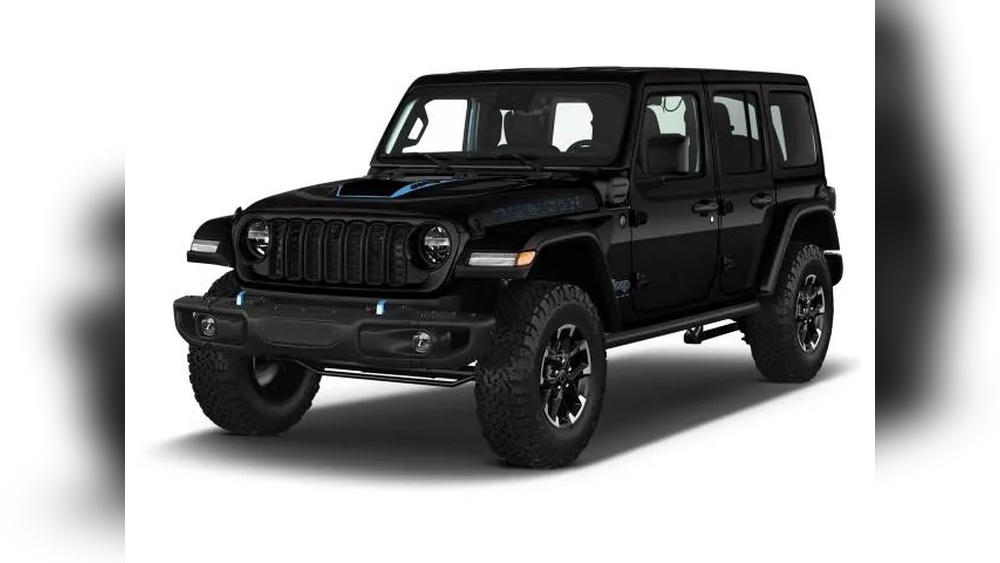
Several factors make Jeep maintenance costs different from other cars. First, the type of Jeep you own matters a lot. For example, the famous Jeep Wrangler is built for tough terrain. This means more wear and tear, especially if you use it for off-roading. Other models, like the Jeep Grand Cherokee, are more family-focused but may have high-tech features that cost more to repair.
Next, parts availability can influence cost. Jeeps are popular in the US, so basic parts are easy to find. However, specialized parts for older or unique models can be expensive. Also, regular maintenance—like oil changes, brakes, and tires—can cost more if you use your Jeep for hard driving.

Finally, labor rates at dealerships and repair shops affect the price. Some repairs are simple, but others, especially on four-wheel-drive systems, require skilled mechanics.
Typical Yearly Maintenance Cost
So, how much does it really cost to maintain a Jeep each year? Let’s look at some numbers.
| Jeep Model | Average Yearly Cost (USD) |
|---|---|
| Wrangler | $694 |
| Grand Cherokee | $666 |
| Cherokee | $520 |
| Renegade | $498 |
| Compass | $526 |
Compared to the average US car maintenance cost (about $652 per year), Jeeps are usually a bit more expensive—especially the Wrangler and Grand Cherokee. The Wrangler stands out due to its off-road features and heavy-duty parts.
Common Jeep Repairs And Their Costs
Some repairs are more common and costly for Jeeps. Here are a few typical examples:
- Suspension and steering repairs: Jeeps are made for rough roads. Suspension parts like ball joints, control arms, and shocks may wear out faster, costing $500–$1,200 for repairs.
- Transmission issues: Some Jeep models have had automatic transmission problems. Repairs can range from $1,000 to $3,500.
- Electrical problems: Newer Jeeps have advanced tech. Fixing electrical issues can cost $200–$1,000 depending on the problem.
- Rust and body repairs: Older Wranglers are prone to rust, especially in snowy regions. Fixing rust can cost anywhere from $300 to several thousand dollars.
These are not yearly costs, but they highlight why owning a Jeep can sometimes be more expensive than a regular sedan.
Comparing Jeep Maintenance To Other Brands
How do Jeeps compare to other SUVs or off-road vehicles? Here is a quick comparison:
| Brand | Average Yearly Maintenance | Reliability Rating |
|---|---|---|
| Jeep | $634 | Average |
| Toyota | $441 | High |
| Ford | $775 | Average |
| Subaru | $617 | Above Average |
Toyota SUVs, for example, are cheaper to maintain and often more reliable. Ford SUVs can be even more expensive than Jeep. This means Jeeps are not the most expensive, but they are not the cheapest either.
Factors That Increase Jeep Maintenance Costs
Some owners are surprised by hidden costs. Here are two insights beginners often miss:
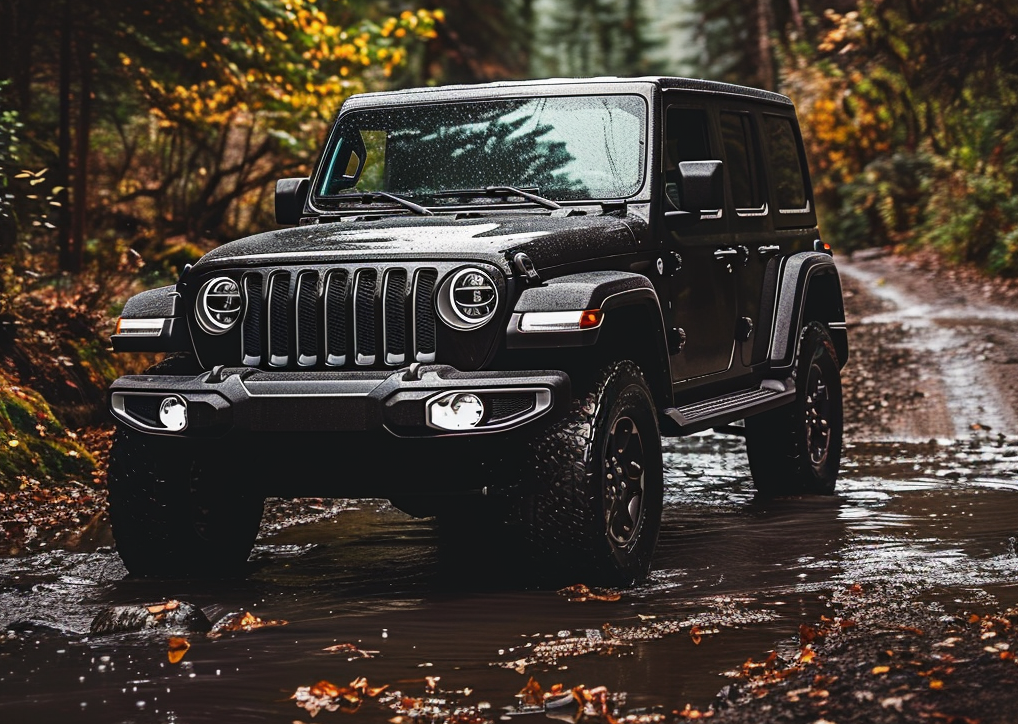
- Off-road use: Driving on rough trails or mud increases wear on parts. Even if you don’t off-road often, just a few trips a year can lead to extra repairs.
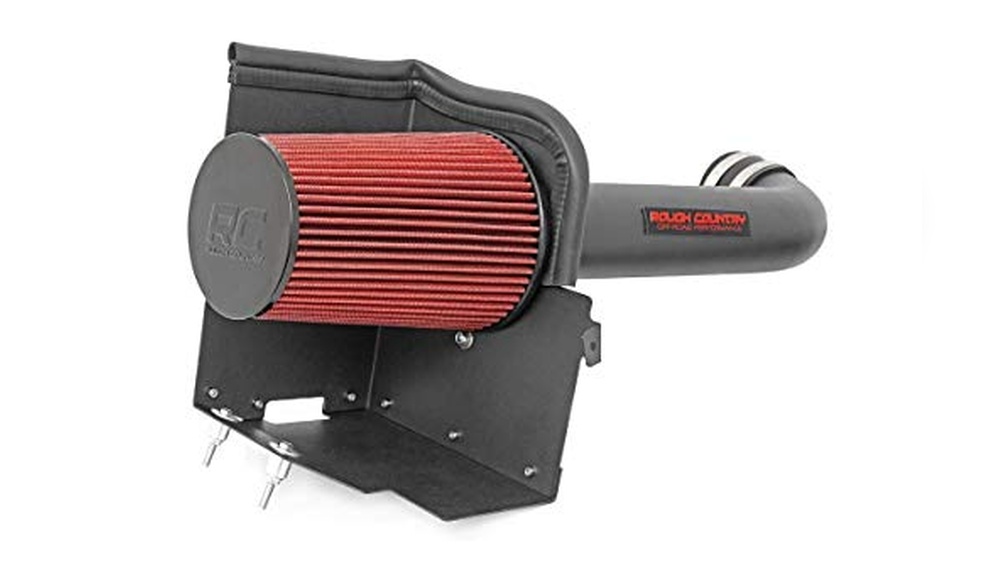
- Modifications: Many Jeep owners add accessories like larger tires, lift kits, or winches. These can stress the engine, brakes, and suspension, leading to higher maintenance costs.
Also, poor maintenance history from previous owners can mean big repair bills. Always check service records before buying a used Jeep.
How To Lower Your Jeep Maintenance Costs
You can take steps to keep costs down:
- Regular maintenance: Follow the service schedule in your owner’s manual. Simple steps like timely oil changes and tire rotations can prevent bigger problems.
- Choose parts wisely: OEM (original) parts are best for reliability, but high-quality aftermarket parts can save money without hurting performance.
- Find a trusted mechanic: Not all shops are Jeep experts. Look for one with Jeep experience to avoid misdiagnosis and repeat repairs.
- Consider a warranty: If you buy new or certified pre-owned, an extended warranty can protect you from big, unexpected bills.

Is Jeep Maintenance Worth It?
Many Jeep owners say the higher maintenance cost is worth it for the fun and freedom their Jeep provides. If you love exploring trails, camping, or just want the classic Jeep look, the extra cost might feel like a fair trade.
However, if you want low-cost, worry-free driving, a regular crossover or sedan might be a better fit.
Frequently Asked Questions
Is Jeep Maintenance More Expensive Than Other Suvs?
Generally, Jeep maintenance costs are slightly higher than the average SUV, especially for the Wrangler and Grand Cherokee. Toyota and Honda SUVs are usually cheaper to maintain.
How Often Do Jeeps Need Servicing?
Most Jeeps need oil changes every 5,000 to 7,500 miles and regular checks for brakes, tires, and fluids. Off-road use may require more frequent servicing.
Are Jeep Parts Hard To Find?
Common Jeep parts are easy to get in the US. However, special parts for older or rare models can be more expensive and harder to find.
Do Jeeps Have More Problems Than Other Cars?
Some Jeep models, especially older ones, have more reliability issues than brands like Toyota. Modern Jeeps are better, but still may need more repairs if used off-road often.
Where Can I Find More Detailed Jeep Maintenance Costs?
You can find detailed cost breakdowns at sites like RepairPal, which track real-world Jeep repair costs and reliability data.
Owning a Jeep is a unique experience. While maintenance can be pricier, understanding the costs will help you enjoy the adventure without surprises.