If you own a Jeep and love off-roading, you might have heard about regearing. But for many Jeep owners, the question is simple: how much does it cost to regear a Jeep? The answer is not just one number. It depends on your Jeep model, the gear ratio you choose, and where you get the work done. Understanding these costs can help you budget and avoid surprises.
What Does Regearing Mean?
Regearing is changing the gear ratio in your Jeep’s axles. People do this when they add bigger tires or want more power for towing or off-roading. The right gear ratio helps your engine work efficiently, keeps fuel economy reasonable, and improves drivability.
For example, if you install 35-inch or 37-inch tires on a Jeep Wrangler, the stock gears may struggle. The Jeep may feel slow, shift too often, or burn more fuel. Regearing fixes these problems by matching the gears to your new tire size.
Main Factors That Affect Regearing Cost
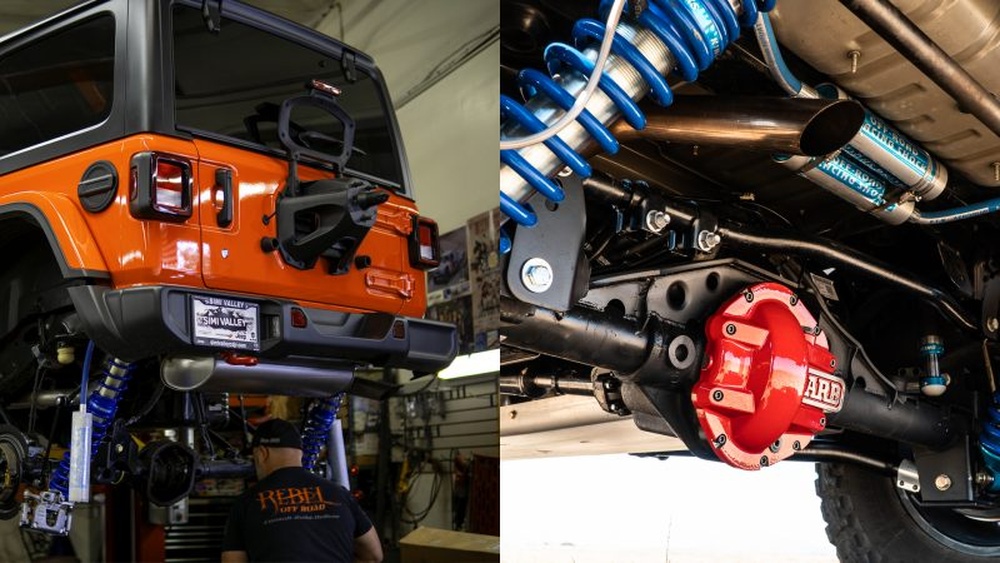
Regearing a Jeep is not cheap. Below are the main factors that influence the total cost:
- Jeep Model and Year: Newer Jeeps like the Wrangler JL or Gladiator JT may cost more because of advanced parts and extra labor.
- Front and Rear Axles: Most Jeeps have two axles. You almost always need to regear both to keep 4WD working right.
- Gear Ratio: Higher ratios can cost more, especially if you want premium brands.
- Parts Quality: OEM gears are usually pricier than aftermarket, but quality matters for durability.
- Labor Rates: Shops in big cities or with high reputations often charge more per hour.
- Additional Parts: Sometimes you need new bearings, seals, or fluids, adding to the price.
Parts Cost Breakdown
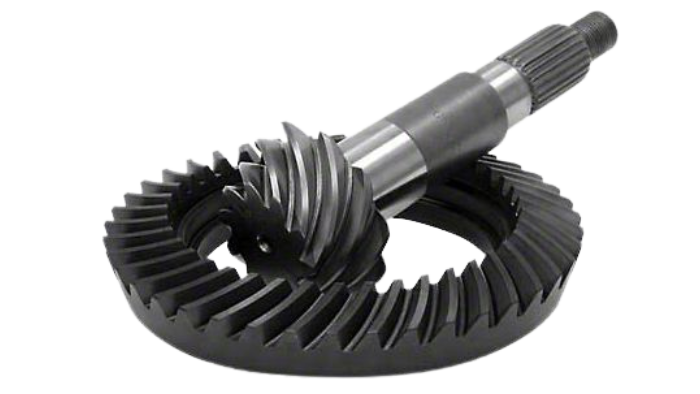
The cost of parts is the first big expense. Here’s a look at what you’ll need and the typical price range.
| Part | Low Cost (USD) | High Cost (USD) | Notes |
|---|---|---|---|
| Gear Set (per axle) | 250 | 500 | Price varies by brand |
| Master Install Kit | 100 | 200 | Includes bearings, seals |
| Gear Oil & Fluids | 50 | 100 | Required for both axles |
| Miscellaneous | 25 | 75 | Gaskets, shims, etc. |
If you buy all parts for both axles, expect to spend $700 to $1,500 for quality components.
Labor Costs: What To Expect
Labor is often the biggest part of the total cost. Regearing is a technical job and requires skill. Most shops charge by the axle, and rates vary by location.
| Location | Labor Cost (per axle) | Total for Both Axles |
|---|---|---|
| Small Town Shop | $350 – $500 | $700 – $1,000 |
| Big City Shop | $500 – $800 | $1,000 – $1,600 |
| Specialty 4×4 Shop | $600 – $900 | $1,200 – $1,800 |
The average labor cost for regearing both axles is usually $1,000 to $1,600. Remember, cheaper is not always better. Quality installation is critical for long-term reliability.
Example: Total Cost To Regear A Jeep
Let’s see how the numbers add up for a typical Jeep Wrangler owner:
- Parts (both axles): $1,000
- Labor (both axles): $1,200
- Gear oil, fluids, and miscellaneous: $150
Total estimated cost: $2,350
This is a common price for a Jeep JK or JL with Dana 44 axles. If your Jeep is older or simpler, you might pay less. If you add extras like lockers or chromoly axles, the price goes up.
Some costs are easy to miss:
- Shop Supplies: Some shops add a small fee for rags, cleaners, etc.
- Sales Tax: Not always included in quotes.
- Speedometer Calibration: Bigger tires and new gears can throw off your speedometer. Calibration tools cost $50–$200.
- Break-in Service: Shops may suggest changing gear oil after 500 miles for about $100.
Ask for a detailed estimate to avoid surprises.
Diy Vs. Professional Installation
Some Jeep owners consider doing the work themselves. DIY parts cost is lower, but you need special tools and experience. A mistake can ruin new gears, costing even more. For most, professional installation is the safer choice.
Two Insights Many Jeep Owners Miss
- Warranty Impacts: Regearing may affect your Jeep’s warranty. Some dealers see it as a major modification, so check before you start.
- Long-Term Savings: Regearing can actually save money if you drive with big tires. Your engine won’t work as hard, and you may avoid costly transmission or axle damage.
Cost Comparison: Jeep Models
Costs can change depending on your Jeep model. Here’s a quick look at popular models:
| Model | Typical Cost Range (USD) | Notes |
|---|---|---|
| Wrangler JK (2007-2018) | $1,800 – $2,500 | Most common; wide range of parts |
| Wrangler JL (2018+) | $2,200 – $3,000 | Newer; more complex electronics |
| Gladiator JT (2019+) | $2,300 – $3,200 | Pickup; larger axles |
| Cherokee XJ | $1,600 – $2,200 | Older; sometimes cheaper labor |
Common Mistakes To Avoid
- Choosing the wrong gear ratio for your tire size.
- Picking the cheapest shop without checking reviews or experience.
- Forgetting to regear both axles for 4WD Jeeps.
- Ignoring post-install break-in and fluid changes.
Frequently Asked Questions
How Long Does It Take To Regear A Jeep?
Most shops need 1 to 2 days for the whole job. Complicated builds or busy shops may take longer.
Is Regearing Worth The Cost?
If you run large tires or tow, yes. Regearing restores lost power, improves MPG, and protects your transmission.
Can I Drive My Jeep With Just One Axle Regeared?
No. For 4WD Jeeps, both axles must match. Mismatched gears can break your drivetrain.
Will Regearing Void My Warranty?
It can. Always check with your dealer first. Some see regearing as a major modification.
What Gear Ratio Should I Choose?
It depends on tire size and usage. For 35-inch tires, 4.56 or 4.88 is common. For 37-inch tires, 4.88 or 5.13 is typical. Ask your installer for advice.
Regearing a Jeep is a big investment, but for many, it’s worth every dollar. It can make your Jeep drive better and last longer, especially if you love adventures off the beaten path. For more details on gear ratios and their effects, you can check the Wikipedia page on gear ratios. Always budget carefully and choose a skilled installer for the best results.