The 2017 Jeep Renegade is a popular compact SUV known for its fun style and off-road capabilities. Many owners want to keep their Renegade running smoothly for years. One key task is checking the transmission fluid, which keeps the transmission working properly. If you ignore this, you risk poor shifting, overheating, or costly repairs. Let’s walk through how to check the transmission fluid on the 2017 Jeep Renegade, why it matters, and some important tips that even experienced drivers sometimes miss.
Why Transmission Fluid Matters
Transmission fluid is more than just a lubricant. It helps cool the transmission, allows smooth gear shifts, and prevents wear. For the 2017 Jeep Renegade, regular fluid checks are important because:
- The Renegade’s transmission is sensitive to fluid levels.
- Low or dirty fluid can lead to slipping gears or hesitation.
- Jeep recommends checking fluid every 30,000–60,000 miles, but driving conditions can change this.
Many drivers mistakenly think transmission fluid never needs attention, but even a sealed system can develop leaks or degrade over time.
How To Check Transmission Fluid In A 2017 Jeep Renegade
Checking the transmission fluid is not as simple as checking engine oil. The 2017 Jeep Renegade often has a sealed transmission with no dipstick. Here’s how you can check it:
- Park the car on a level surface. Use the parking brake and let the engine cool for safety.
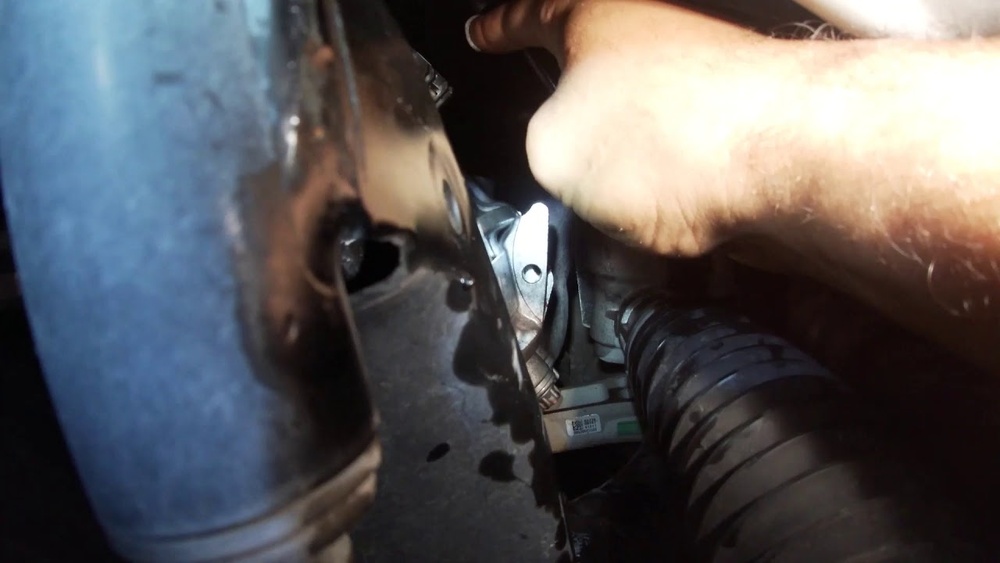
- Raise the vehicle if needed. The fluid check plug is underneath, not in the engine bay.
- Find the transmission fluid check plug. Usually, it’s on the side of the transmission. Consult your owner’s manual for the exact location.
- Use a clean rag to wipe around the plug before removing it. This prevents dirt from getting inside.
- Remove the plug carefully. Some fluid may drip out. If fluid comes out, the level is likely correct. If nothing comes out, add fluid until it drips slightly.
- Use only Jeep-approved transmission fluid. Mixing fluids can cause major transmission problems.
- Replace the plug tightly and clean any spilled fluid.
Tips For Accurate Checking
- The car should be at normal operating temperature. Cold fluid gives inaccurate readings.
- Check for fluid color. Healthy fluid is usually red or light brown. Dark, burnt, or milky fluid signals trouble.
- If you smell a burnt odor, change the fluid soon.
- Never overfill. Too much fluid can damage seals and gears.
Common Mistakes When Checking Transmission Fluid
Even experienced mechanics make mistakes with the Renegade’s sealed system. Here are a few things to watch out for:
- Ignoring leaks: Small leaks under the car may signal big problems. Check for drops or stains after parking.
- Using the wrong fluid: Always buy fluid matching Jeep’s specs. Wrong fluid can cause shifting problems.
- Not warming the car: If you check fluid when the engine is cold, you may think it’s low even when it’s not.
- Skipping regular checks: Waiting until there’s a problem can lead to expensive repairs.
Transmission Fluid Types And Compatibility
The 2017 Jeep Renegade uses ATF+4 transmission fluid, which is designed for Fiat Chrysler vehicles. Using other fluids can cause shifting delays or even damage the transmission.
Here’s a quick comparison of common transmission fluids:
| Fluid Type | Color | Compatibility |
|---|---|---|
| ATF+4 | Red | Jeep Renegade (recommended) |
| Dexron | Red | GM vehicles, not Jeep |
| Mercon | Red | Ford vehicles, not Jeep |
Always check the owner’s manual or ask your dealer before buying fluid.
Signs Your Transmission Fluid Needs Attention
Some symptoms appear when transmission fluid is low or dirty:
- Rough shifting
- Delayed gear engagement
- Noisy transmission
- Warning lights
If you notice these, check the fluid soon. Ignoring them can lead to total transmission failure.
How Often To Check And Change Fluid
Jeep recommends checking fluid every 30,000 miles, but if you drive in heavy traffic, tow, or use your Renegade for off-road adventures, check more often. Changing fluid every 60,000 miles is a safe rule, but always follow the manufacturer’s guidelines.
A comparison of service intervals for different driving conditions:
| Driving Condition | Check Interval | Change Interval |
|---|---|---|
| Normal | 30,000 miles | 60,000 miles |
| Heavy traffic | 20,000 miles | 50,000 miles |
| Off-road | 15,000 miles | 40,000 miles |
Diy Or Mechanic? What To Choose
Checking transmission fluid on a 2017 Jeep Renegade is not easy for beginners. The sealed design and location of the check plug require tools and experience. If you’re unsure, ask a professional. They have the right equipment and can spot other issues.
But if you’re confident and have basic tools, you can do it yourself. Just follow safety steps and check fluid type carefully.
Practical Insights Most Owners Miss
- Transmission fluid is not lifetime. Some people believe sealed systems never need service, but that’s not true.
- Fluid level affects performance. Even a small drop in fluid can cause shifting problems or overheating.
Also, many owners forget to check fluid after driving in extreme conditions. After towing or driving in mud, check fluid sooner.

Frequently Asked Questions
What Happens If I Use The Wrong Transmission Fluid?
Using the wrong fluid can cause poor shifting, damage seals, and lead to expensive repairs. Always use Jeep-approved ATF+4 fluid.
How Do I Know If My Fluid Is Low?
Look for rough shifts, delayed engagement, or fluid leaks under your car. If you notice these, check the fluid soon.
Can I Check The Transmission Fluid Myself?
Yes, but it’s tricky. The Renegade’s sealed transmission needs to be accessed from underneath. If you’re not confident, ask a mechanic.
How Much Fluid Does The 2017 Jeep Renegade Need?
Usually, the transmission holds about 5–6 quarts of fluid. Always check your owner’s manual for exact numbers.
Where Can I Find Official Jeep Maintenance Guidelines?
Visit the official Jeep website or trusted sources like Jeep.com for maintenance schedules and fluid specifications.
Keeping your 2017 Jeep Renegade transmission fluid in good condition helps your SUV last longer and perform better. Regular checks and the right fluid are essential. Don’t ignore small signs—catching problems early saves money and stress.