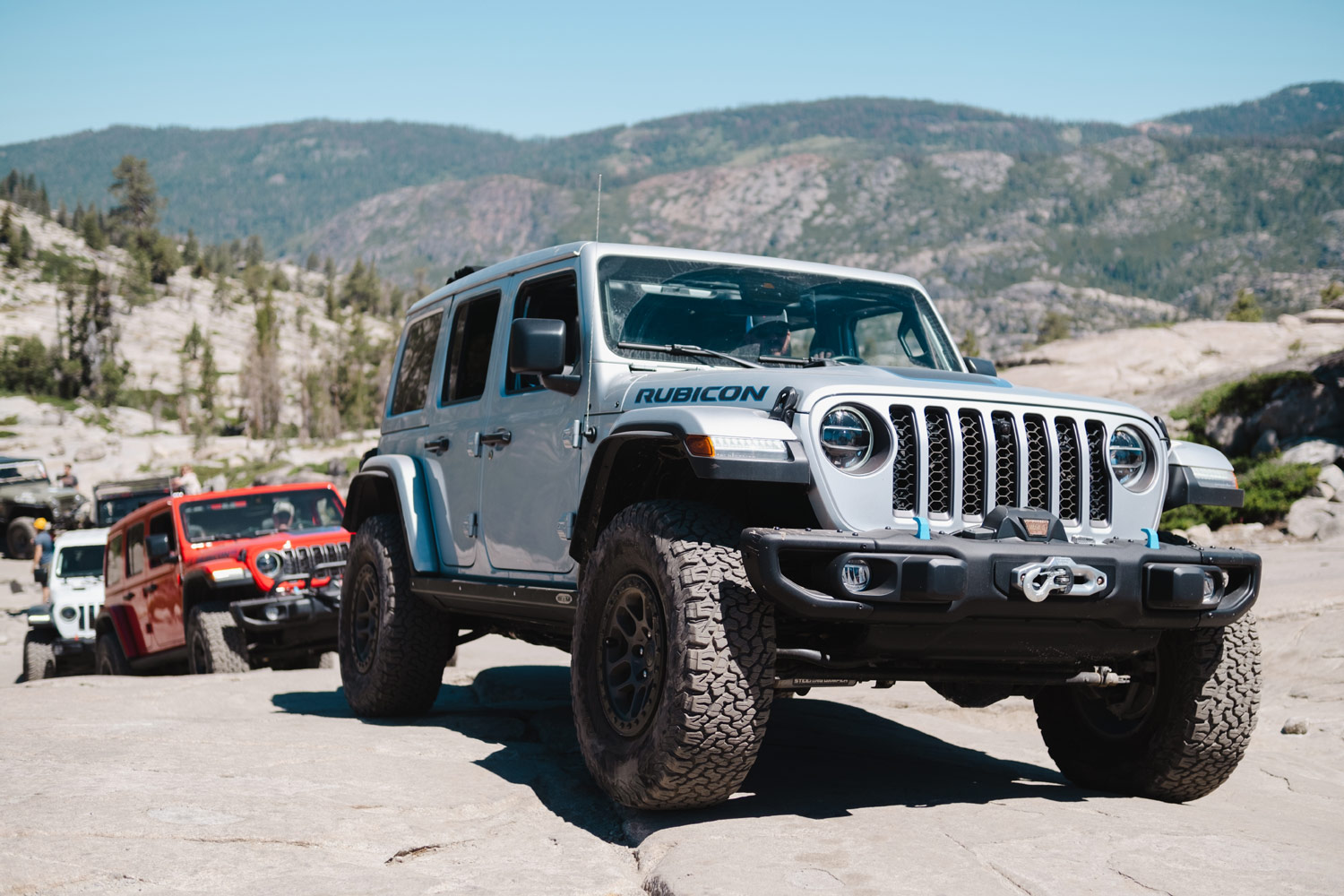
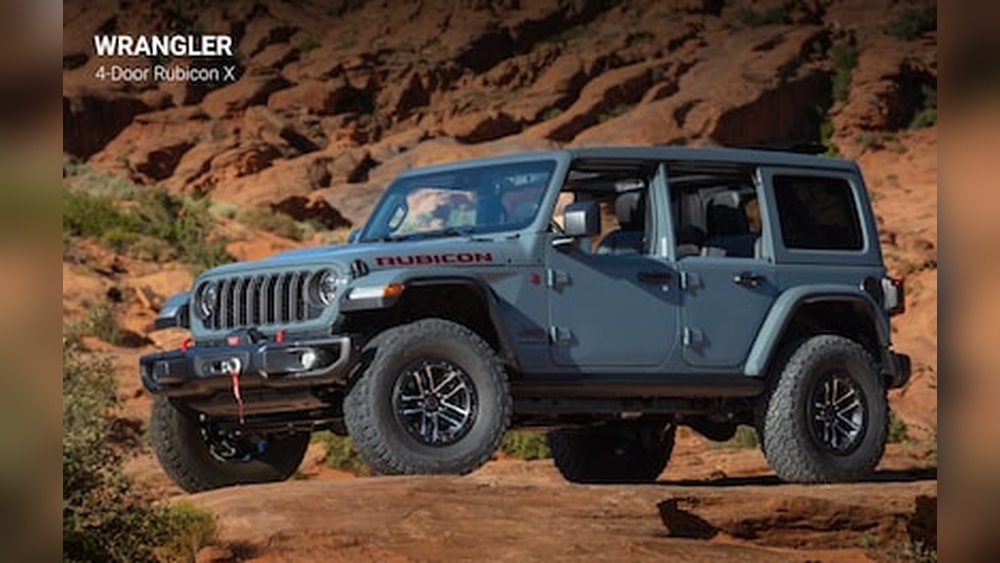
Getting a Jeep Wrangler lifted is a popular upgrade for off-road enthusiasts and anyone wanting to add a bold look to their vehicle. But one question always comes up first: how much does it really cost to lift a Jeep Wrangler? The answer depends on many factors, from the type of lift kit to labor costs, extra parts, and even your location. If you plan carefully, you can avoid unexpected expenses and get the ride you want for the price you expect. Many people underestimate the process, thinking it’s just a matter of buying a kit. In reality, lifting a Jeep Wrangler involves a series of choices, each affecting your final budget and the way your Jeep drives.
What Affects The Cost Of Lifting A Jeep Wrangler?
Many drivers believe the lift kit is the main expense. In reality, several things affect the total price:
- Type of Lift Kit: Basic spacer kits are cheaper. Suspension lift kits cost more but give better performance. For example, a spacer kit might only include simple spacers, while a suspension kit often includes springs, shocks, and sometimes control arms.
- Lift Height: The higher you lift, the more expensive it becomes. Raising your Jeep more than 3 inches usually means you need extra parts and adjustments, which can quickly add to the cost.
- Parts and Accessories: Larger tires, upgraded shocks, driveshafts, and alignment are often needed. Some kits require extended brake lines or new bump stops to keep your Jeep safe and running smoothly.
- Labor Costs: Professional installation can be pricey, especially for complex kits. Shops may charge more if your Jeep is older or if rust makes parts harder to remove.
- Model Year: Newer Wranglers may need special parts. For example, JL models often require different driveshafts compared to older JK models.
What many beginners miss is the impact of your driving style and local terrain. If you plan to hit rocky trails or deep mud, your lift needs stronger parts, which means higher costs.
Common Lift Kit Types And Their Prices
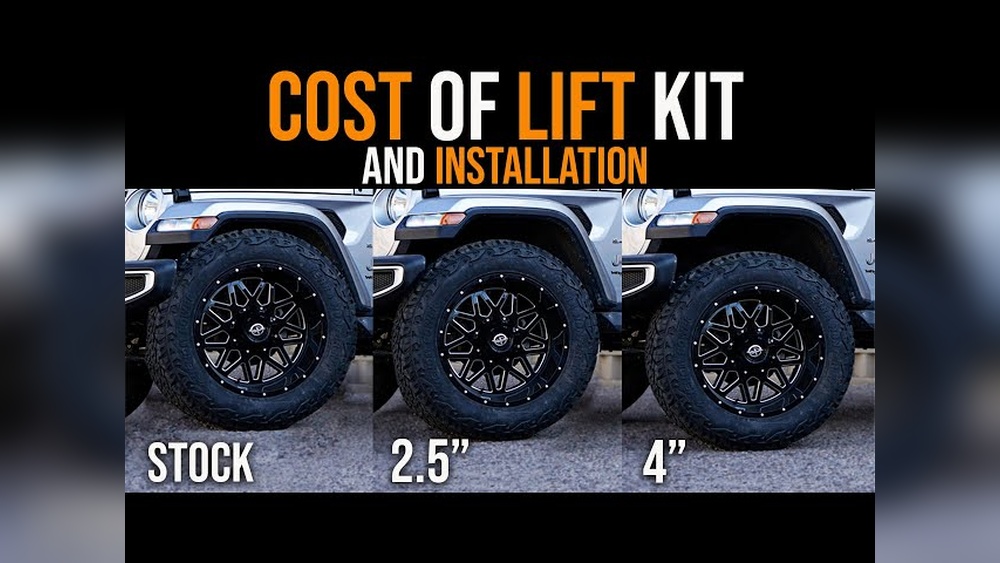
There are three main types of lift kits for Jeep Wranglers. Here’s a quick comparison:
| Lift Kit Type | Approximate Cost (Kit Only) | Lift Height | Best For |
|---|---|---|---|
| Body Lift | $150–$400 | 1–3 inches | Looks, light off-roading |
| Spacer/Leveling Kit | $200–$600 | 1–2.5 inches | Budget, mild off-roading |
| Suspension Lift | $800–$2,500+ | 2–6 inches | Heavy off-roading |
Suspension lifts cost more because they include springs, shocks, and other parts. Body lifts are cheaper but don’t improve off-road ability much. Spacer kits are popular for drivers who want a simple upgrade and a slightly more aggressive look. However, if you want to tackle serious trails, a suspension lift is almost always recommended because it gives more ground clearance and better handling.
Some beginners overlook the importance of kit quality. Cheaper kits might save money now, but they can lead to problems later, like poor ride quality or quick wear.
Installation Costs: Diy Vs Professional
Installing a lift kit is not always easy. Some kits require special tools or mechanical skills. Here’s how installation costs compare:
| Installation Type | Estimated Labor Cost | Typical Time Needed |
|---|---|---|
| DIY | $0 (your own labor) | 4–8 hours |
| Professional Shop | $400–$1,200 | 2–5 hours |
A basic body lift can be done at home if you have tools and experience. But suspension lifts are best left to professionals. Mistakes during installation can cause steering issues or premature wear. Shops often charge more if you bring your own parts, so ask upfront. If you’re thinking about DIY, know that you’ll need a safe place to work, a jack, and torque wrenches. Many beginners miss the importance of proper torque settings—getting these wrong can lead to unsafe driving.
Lifting your Jeep Wrangler often leads to extra expenses. Here are some common additions:
- Bigger tires: $800–$2,000 for a set of four. Larger tires are not just for looks—they help with off-road traction but may require new wheels if your current ones don’t fit.
- Wheel alignment: $80–$150 after lift. Alignment is crucial to prevent uneven tire wear and steering problems.
- Upgraded shocks: $200–$600 for quality shocks. Stock shocks may not handle the new ride height or rough terrain.
- Driveshaft modifications: $300–$700, needed for high lifts. Without these, you risk vibration and damage.
- Extended brake lines: $100–$250. These keep your brakes working safely after a big lift.
Some drivers forget these extras, leading to surprise costs. For example, a 4-inch suspension lift almost always requires new driveshafts and brake lines. It’s also important to check if your state has rules about lifted vehicles. Some areas have height limits or require inspections after modifications.
A common beginner mistake is skipping alignment after lifting. This leads to poor handling and tire wear, costing more in the long run.
Total Cost Examples
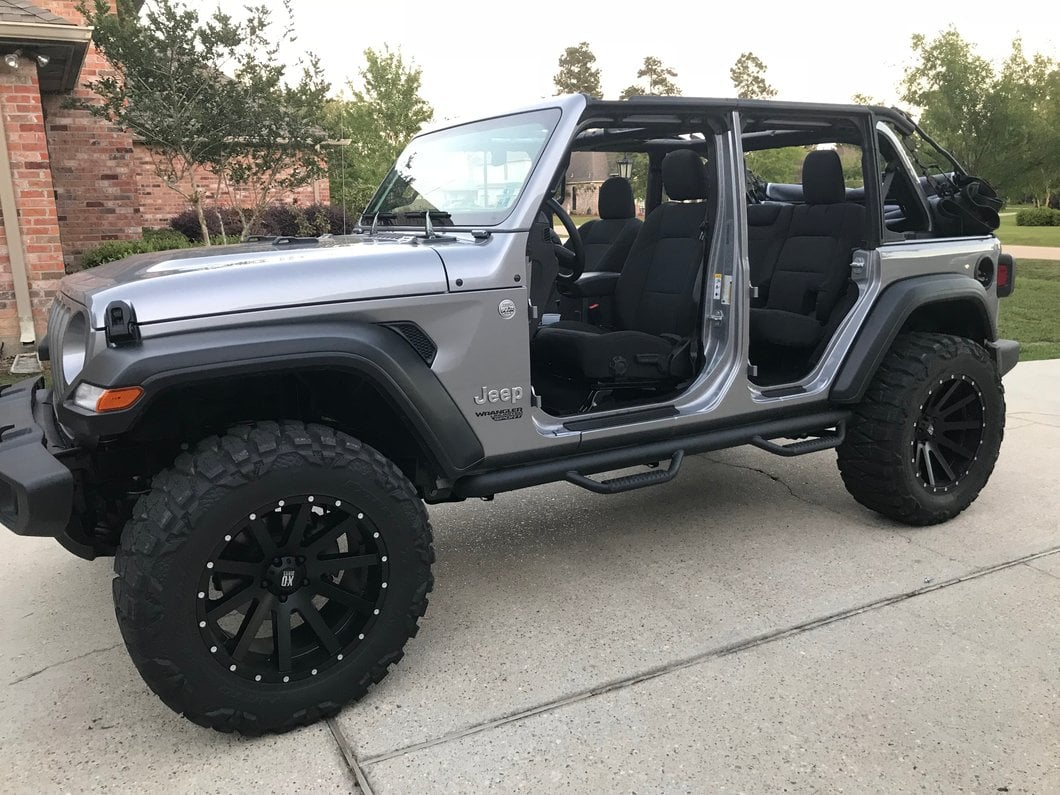
Let’s look at real-world scenarios. These estimates include kit, labor, and key extras:
| Lift Type | Kit Price | Labor | Extras | Total Cost |
|---|---|---|---|---|
| 2″ Spacer Kit | $350 | $600 | $200 (alignment, shocks) | $1,150 |
| 3″ Suspension Lift | $1,200 | $800 | $1,000 (tires, alignment, shocks) | $3,000 |
| 4″ Suspension Lift | $2,000 | $1,200 | $2,000 (tires, driveshaft, alignment) | $5,200 |
These numbers can vary by location and shop rates. Some shops offer package deals, but always ask for a clear breakdown. Always ask about hidden fees—shops sometimes charge extra for disposal of old parts or for extended labor if your Jeep is older.
Tips To Save Money And Avoid Mistakes
- Set your goal: Decide if you want a lifted look or real off-road performance. If you just want to fit bigger tires, a small lift may be enough.
- Research kits: Read reviews and check compatibility with your Wrangler’s year/model. Some kits fit only certain models, and missing this detail leads to wasted money.
- Get quotes: Shop around for both kits and installation. Prices can vary widely, so calling several shops pays off.
- Budget for extras: Tires, alignment, and other parts are almost always needed. Make a complete list before starting.
- Check for warranties: Some kits and shops offer guarantees. This can protect you from expensive repairs if something goes wrong.
A non-obvious insight: Many beginners forget about insurance changes. Some insurers increase rates for lifted vehicles. Also, high lifts can affect resale value and ride comfort. Another common oversight is failing to upgrade tire pressure sensors or recalibrate speedometers after big lifts and tires.
Is It Worth Lifting Your Jeep Wrangler?
The answer depends on your needs. If you love off-roading, a suspension lift is a strong investment. But for city driving, a smaller lift or body lift may be enough. Remember, lifting changes your Wrangler’s handling and can increase maintenance costs.
Make sure you’re ready for these changes before you start.
If you want detailed technical specs and comparisons, the official Jeep forums and resources like ExtremeTerrain offer expert advice.
Frequently Asked Questions
How Much Does A Basic Lift Kit Cost For A Jeep Wrangler?
A basic body or spacer lift kit costs between $150 and $600. This price does not include installation or extra parts.
Can I Install A Jeep Wrangler Lift Kit Myself?
Yes, you can install a simple kit at home with tools and patience. But suspension lift kits are complex and usually require professional help. If you’ve never worked on cars, it’s easy to miss steps that affect safety.
Will Lifting My Jeep Wrangler Affect Insurance?
Yes, some insurance companies raise premiums for lifted vehicles. It’s smart to call your insurer before starting the upgrade. Some companies may even refuse coverage if the lift is too high.
What Other Parts Should I Upgrade When Lifting?
You should consider tires, shocks, driveshafts, and brake lines. Not upgrading these can cause damage or safety problems. For lifts over 3 inches, many experts recommend new control arms and bump stops.
Do Lifted Jeep Wranglers Need More Maintenance?
Yes, a lifted Wrangler often needs more frequent checks for suspension, steering, and tire wear. Higher lifts can increase maintenance costs. It’s also wise to check bolts and joints after off-road trips.
Lifting a Jeep Wrangler is a big decision, both for your wallet and your driving experience. By understanding the real costs and planning ahead, you’ll avoid expensive surprises and enjoy your Jeep’s new look and performance. Remember, the right lift depends on your goals, and careful research is the best way to make sure you get the results you want without regrets.