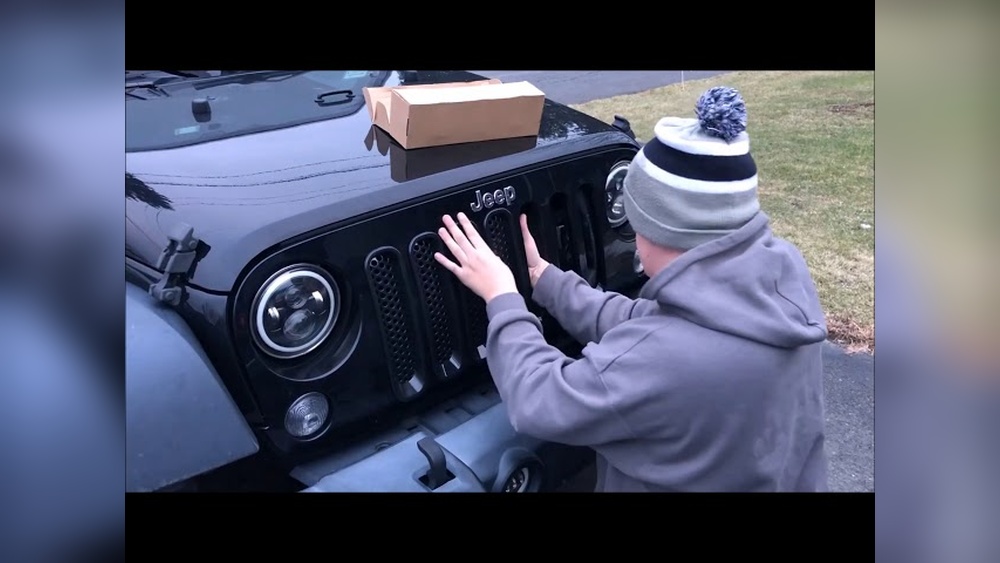
The Jeep Wrangler is famous for its off-road power and rugged looks. For many owners, upgrading with a suspension lift kit is one of the first steps to improve both performance and style. A lift kit gives the Wrangler extra ground clearance, allows for bigger tires, and makes it look more aggressive. But choosing the right kit is not simple. There are many types, sizes, and brands, each with its own benefits and challenges. In this guide, you’ll learn what matters most, how to pick wisely, and what mistakes to avoid—so your Jeep gets the lift it deserves.
What Is A Suspension Lift Kit?
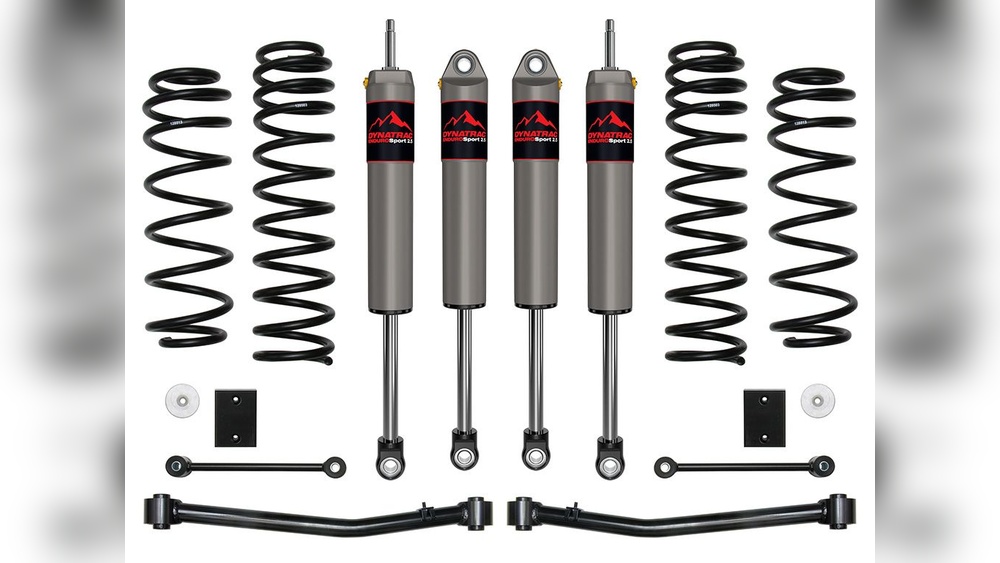
A suspension lift kit increases the height of your Jeep by changing the suspension system. Unlike body lifts, which only raise the body away from the frame, suspension lifts improve clearance underneath the vehicle and often enhance ride quality. Most kits include new springs, shocks, and hardware.
There are two main reasons people install suspension lifts:
- Better off-road ability: More space under the Jeep for rocks, mud, and rough trails.
- Bigger tires: Larger tires improve traction and the Jeep’s presence.
Types Of Suspension Lift Kits
Choosing the right lift kit starts with understanding the main options available. Here’s a quick comparison:
| Kit Type | Lift Height | Main Features |
|---|---|---|
| Coil Spring Lift | 2–6 inches | Good ride comfort, handles bigger tires |
| Spacer Lift (Budget Boost) | 1–2.5 inches | Affordable, easy installation |
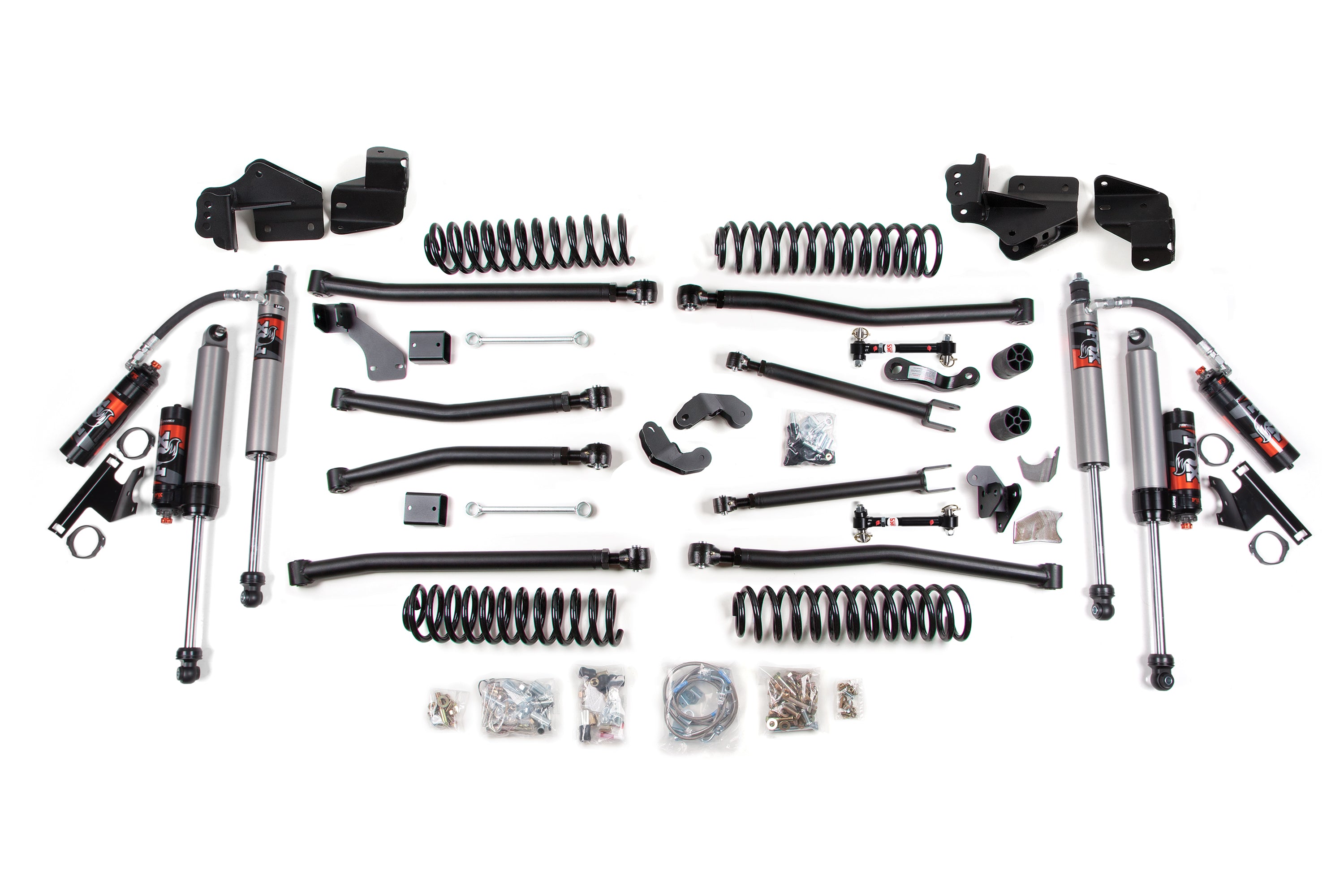
| Long Arm Lift | 4–6+ inches | Best for extreme off-roading |
| Short Arm Lift | 2–4 inches | Moderate lift, simpler install |
Coil spring lifts are most popular for daily drivers and weekend adventurers. Spacer lifts cost less and work for mild trail use. Long arm lifts suit hardcore off-roaders who want maximum flex and height.
How To Choose The Right Lift Kit
Picking the best kit depends on your budget, driving style, and Jeep model. Here’s a quick guide to help:
| Factor | Why It Matters | What to Look For |
|---|---|---|
| Lift Height | Determines tire size and clearance | 2–3 inches for daily use, 4+ for heavy off-roading |
| Ride Quality | Affects comfort on and off road | High-quality shocks, progressive springs |
| Budget | Lift kits range from $200–$3,000+ | Set a budget; include install costs |
| Installation | Some kits need pro help | DIY-friendly kits vs. complex setups |
| Brand Reputation | Quality and support vary | Choose trusted brands with good reviews |
Non-obvious insight: Many beginners forget about alignment and steering corrections after lifting. A proper lift kit should include parts or instructions for fixing these, or you risk poor handling.
Real-world Examples And Data
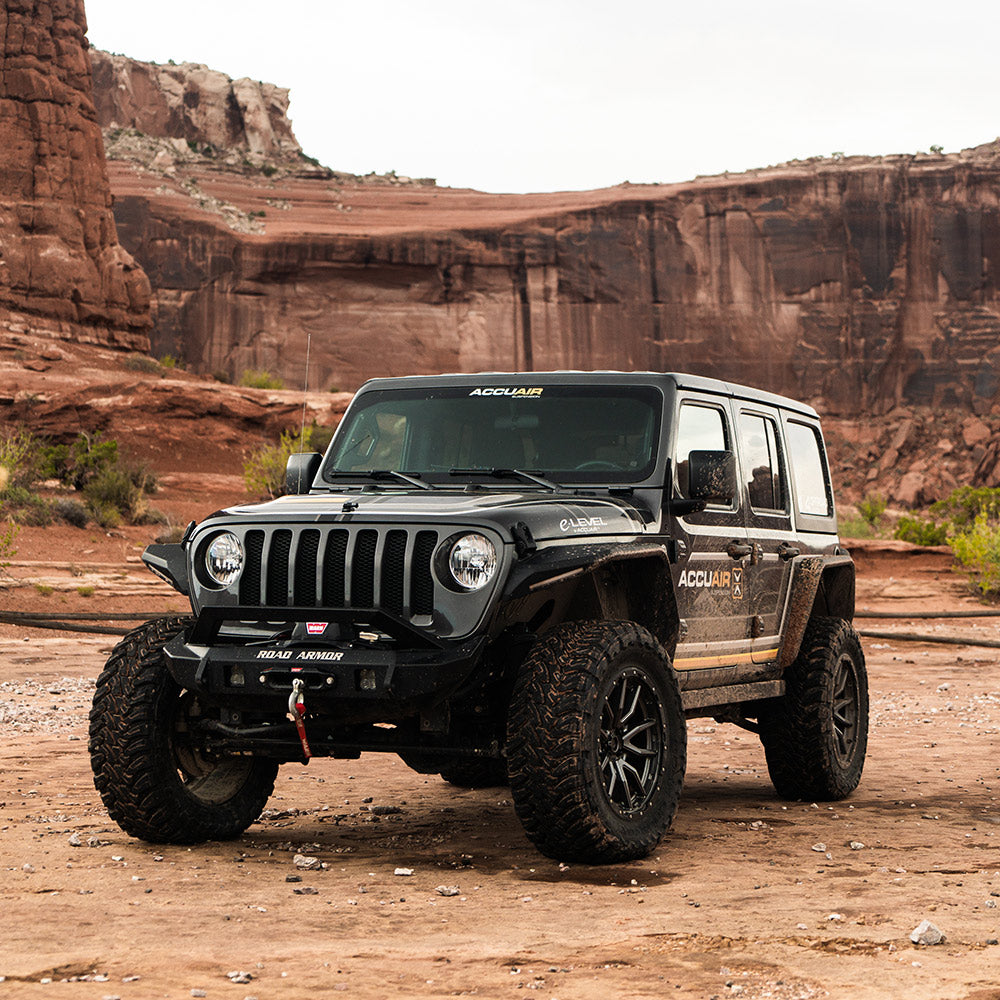
A 2-inch coil spring lift on a Wrangler JL lets you fit 33-inch tires and improves ground clearance by about 2.5 inches. It costs $400–$700 for the kit, plus $250–$500 for installation. A 4-inch long arm lift can clear 35-inch tires, but requires extra upgrades: brake lines, driveshafts, and sometimes gear changes. It costs $1,500–$3,000 installed.
Jeep owners who drive mostly on paved roads often regret getting a tall lift. The higher you go, the more you need to fix steering, braking, and stability. Aim for the smallest lift that fits your needs.
Installation Tips And Common Mistakes
Installing a suspension lift is challenging, even for skilled mechanics. Here are some useful tips:
- Read instructions fully before starting.
- Measure twice to confirm the lift is right for your tires.
- Check all torque specs after installation.
- Get a professional alignment to avoid tire wear and poor handling.
Common mistakes:
- Not upgrading shocks with the lift, leading to rough rides.
- Skipping alignment, causing steering issues.
- Using cheap kits without proper hardware.
- Forgetting to check local laws—some states have limits on lift height.
Second non-obvious insight: After a lift, your Jeep may need driveshaft adjustments. Many kits ignore this, but failing to fix driveshaft angles can cause vibration and damage.
Pros And Cons Of Suspension Lift Kits
Here’s a quick summary of the main benefits and drawbacks:
Pros:
- Improved off-road performance
- Ability to use larger tires
- Aggressive, custom look
- Extra ground clearance
Cons:
- Higher cost for quality kits
- More maintenance needed
- Changes handling on road
- May affect warranty
Popular Brands And Models
Some well-known brands with proven quality:
- Teraflex: Great for moderate lifts and daily drivers.
- Rubicon Express: Trusted for durability and off-road capability.
- Rough Country: Affordable, wide range, good for beginners.
- MetalCloak: Premium, advanced flex, ideal for hardcore trails.
Research each brand’s customer support and warranty. For detailed Jeep Wrangler lift kit specs and user reviews, visit ExtremeTerrain.
Frequently Asked Questions
What Size Lift Kit Is Best For Daily Driving?
A 2–3 inch lift is best for daily driving. It gives enough clearance for bigger tires but keeps the ride comfortable and stable.
Do I Need New Shocks With A Lift Kit?
Yes, most lifts require longer shocks. Old shocks may not work well with the new height, causing rough rides and poor handling.
Will A Lift Kit Affect My Jeep’s Warranty?
Some lifts can void parts of your warranty, especially if installed incorrectly. Check your dealer’s policy before making changes.
How Much Does Installation Cost?
Professional installation costs $250–$500 for basic kits, but can be higher for complex lifts. DIY installs save money but require tools and skill.
Can I Install A Suspension Lift Kit Myself?
You can install simple spacer or coil lifts yourself with basic tools and time. Advanced kits, like long arm lifts, are best handled by professionals.
Upgrading your Jeep Wrangler with a suspension lift kit is a big decision. Take time to research, compare kits, and plan for extra parts and labor. The right lift will transform your Jeep into a true off-road machine—ready for adventure, and built to last.