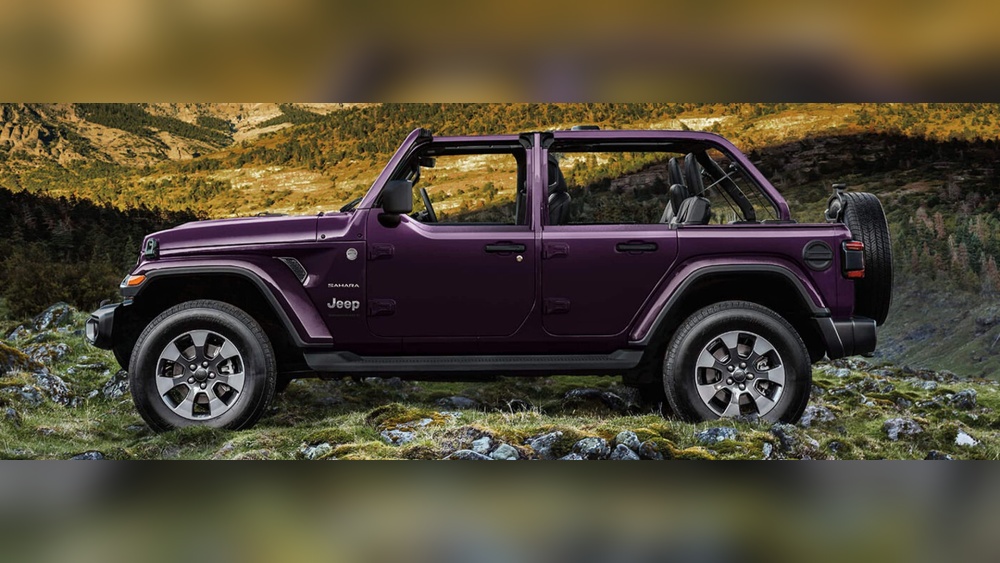
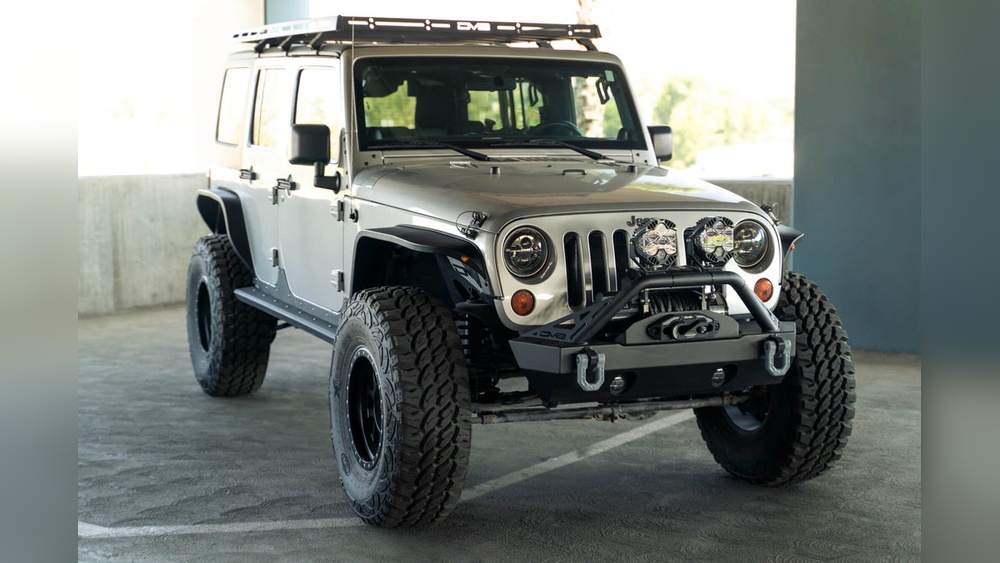
If you drive a Jeep, you may have heard of the death wobble. This strange and scary shaking happens when the front wheels start to vibrate quickly. It feels like the Jeep is out of control. Many drivers worry when it happens, and for good reason. The death wobble is not just uncomfortable—it can be dangerous. Understanding why Jeeps death wobble is important for safety and for keeping your vehicle in good shape.
What Is Jeep Death Wobble?
The death wobble is a violent shaking of the steering wheel and front end. It usually starts when you hit a bump at speeds above 40 mph. The shaking can last a few seconds or keep going until you slow down. Most often, it happens in Jeep Wranglers, especially models with solid front axles.
This problem is not just a Jeep issue. Other vehicles with solid front axles can have it, but Jeeps are famous for it because of their design. The feeling can be so strong that some people think a wheel is about to fall off.
It’s a sign that something is wrong with the suspension or steering.
Main Causes Of Jeep Death Wobble
Many factors can lead to the death wobble. It’s rarely just one thing. Here are the main reasons why Jeeps experience this problem:
1. Worn Track Bar Bushings
The track bar helps keep the axle centered. If the bushings are worn or loose, the axle can move side to side, causing vibrations.
2. Loose Steering Components
Parts like tie rods, drag links, and ball joints can wear out. When they get loose, the steering feels sloppy and the wobble can start.
3. Bad Wheel Alignment
If the wheels are not aligned, the tires don’t point straight ahead. This can make the Jeep unstable, especially at high speeds.
4. Unbalanced Tires Or Bent Rims
Tires that are out of balance or rims that are bent can cause shaking. This shaking can trigger the death wobble if other parts are weak.
5. Damaged Suspension Parts
Worn shocks, springs, or control arms can’t absorb bumps well. When these parts fail, it’s easier for the wobble to start.
6. Lift Kits And Bigger Tires
Many Jeep owners add lift kits and larger tires. These changes put more stress on the suspension and steering. If not installed properly, they can cause the death wobble.
Here is a simple table showing the most common causes and their impact:
| Cause | Chance of Triggering Death Wobble | Easy to Fix? |
|---|---|---|
| Track Bar Bushings | High | Yes |
| Steering Components | High | Moderate |
| Wheel Alignment | Medium | Yes |
| Unbalanced Tires | Medium | Yes |
| Suspension Parts | Low | Moderate |
| Lift Kits | Medium | No |
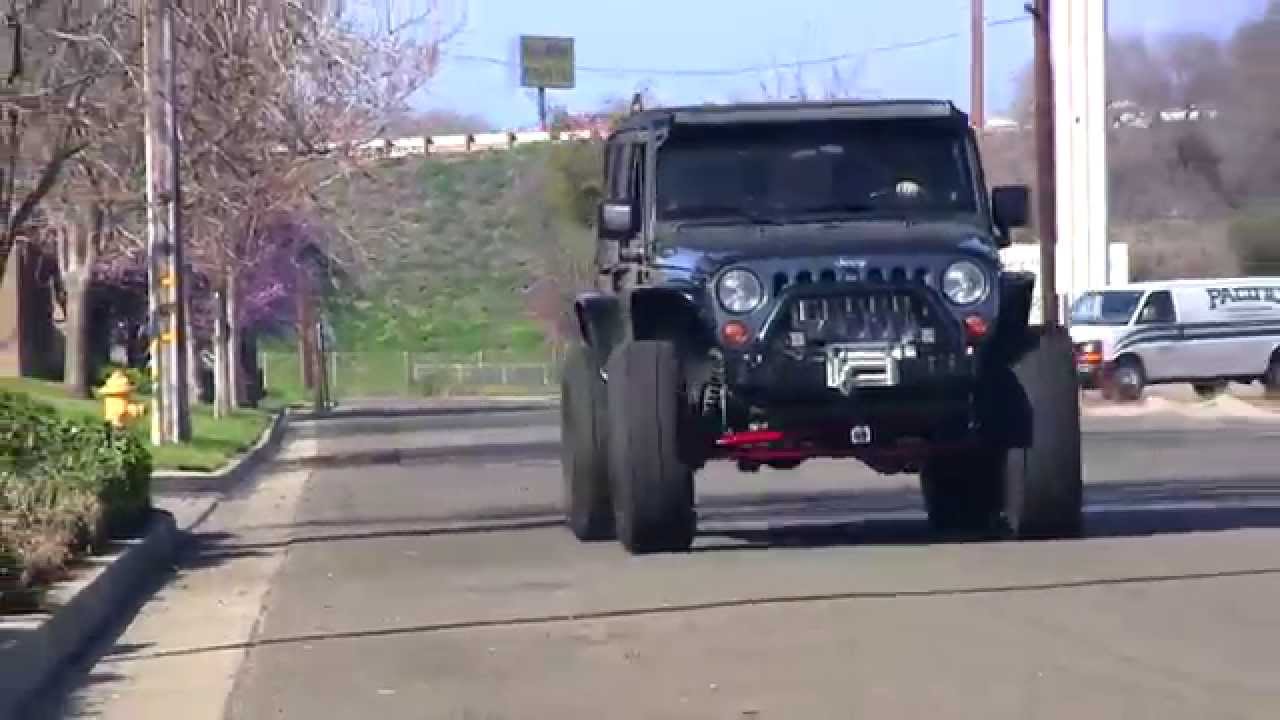
Why Are Jeeps Prone To Death Wobble?
Most Jeeps use a solid front axle. This design is strong and good for off-roading. However, it’s more likely to vibrate if parts get loose or worn. Independent front suspension, used in most cars, is less likely to wobble.
Jeeps are often customized. Owners add lifts, bigger tires, and heavy-duty parts. While these upgrades look great, they can make the death wobble more likely if not done right. Even small mistakes, like improper torque on bolts, can start the problem.
Another non-obvious insight is age and mileage. Jeeps with more than 60,000 miles are at higher risk. Parts wear out slowly, so the death wobble can appear even if the Jeep was fine before.
Compare solid axle and independent suspension:
| Suspension Type | Chance of Death Wobble | Common in Jeeps? |
|---|---|---|
| Solid Front Axle | High | Yes |
| Independent Suspension | Low | No |
How To Fix And Prevent Jeep Death Wobble
Stopping the death wobble means finding the root cause. Here’s what you should do:
1. Inspect Suspension And Steering
Check all bushings, bolts, and joints. Look for wear or looseness. Even a small amount can cause problems.
2. Check Tire Balance And Alignment
Make sure tires are balanced and wheels are aligned. This is easy and often fixes the issue.
3. Replace Worn Parts
If you find bad bushings or joints, replace them. Many drivers miss small parts like sway bar links, but they matter.
4. Torque Bolts Correctly
After repairs, tighten bolts to the correct specs. Too loose or too tight can cause problems.
5. Avoid Cheap Lift Kits
Not all lift kits are equal. Cheap kits can bend or flex too much. Choose trusted brands and install them carefully.
6. Regular Maintenance
Inspect your Jeep every 6 months or after off-roading. Early checks prevent bigger issues.
Here’s a comparison of prevention vs. repair:
| Action | Cost | Success Rate |
|---|---|---|
| Preventive Maintenance | $50-$150/year | High |
| Repair After Wobble | $300-$800 | Medium |
A tip many beginners miss: Don’t just fix one part. The death wobble often comes from a mix of small issues. Always check everything together.
For more technical info, you can visit Wikipedia.

Frequently Asked Questions
What Should I Do If My Jeep Starts To Death Wobble?
Slow down safely and pull over if possible. Check for loose parts. Drive carefully to a repair shop.
Is Death Wobble Dangerous?
Yes, it can make the Jeep hard to control. It’s important to fix it as soon as possible.
Can I Drive With Death Wobble?
It’s not safe. Even if the Jeep still runs, the wobble can get worse and lead to accidents.
Are All Jeeps Affected By Death Wobble?
No, but Wrangler and Cherokee models with solid axles are more likely to have it.
Does Wheel Size Affect Death Wobble?
Yes. Larger wheels and tires increase stress on the suspension and can make the problem worse.
Jeep death wobble is scary, but it can be fixed and prevented with proper care. If you notice shaking, don’t ignore it. Check your suspension, steering, and tires. Regular maintenance and careful upgrades keep your Jeep safe on and off the road.
Remember, a small fix now can save you from a big problem later.