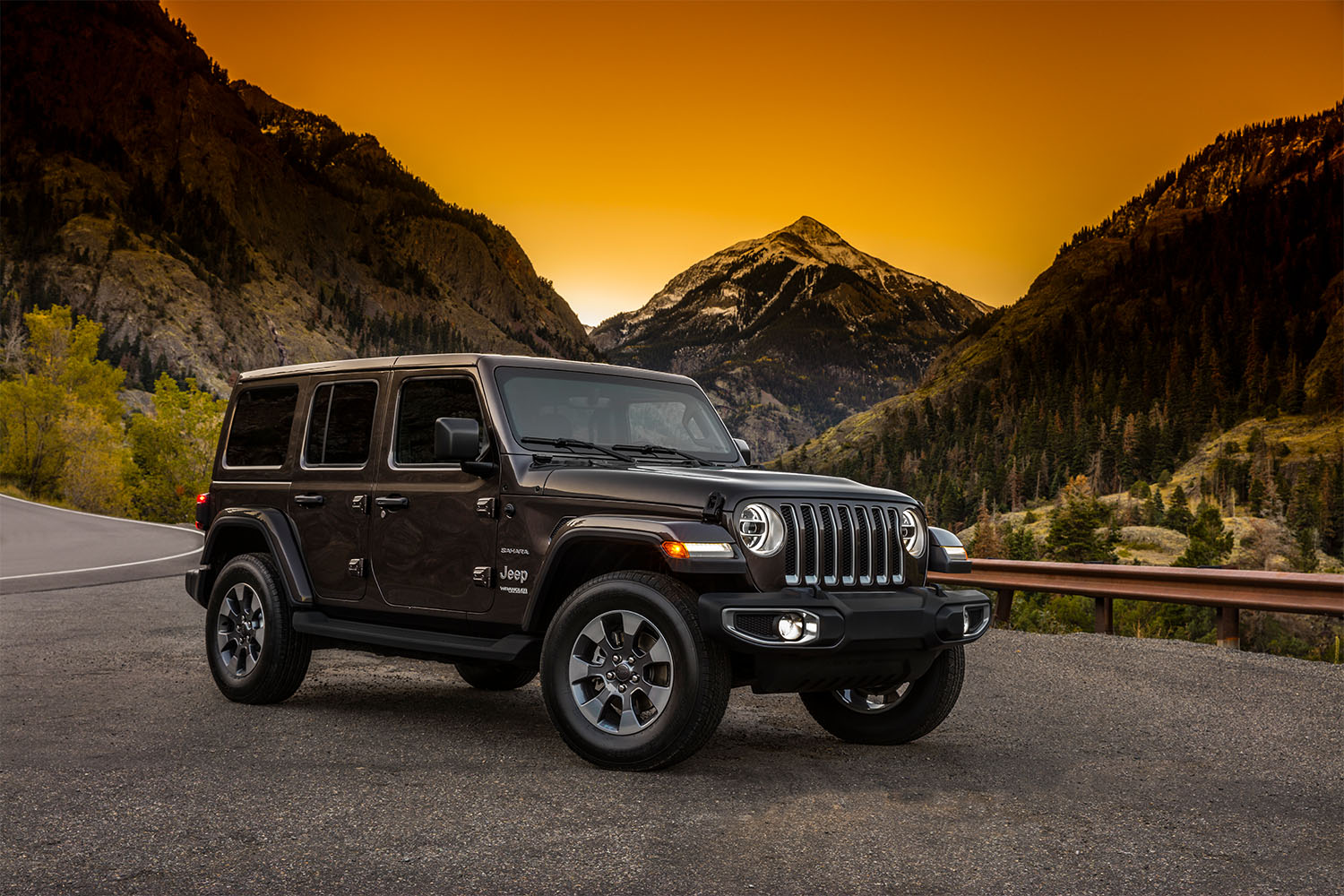
Leasing a car is popular, but many drivers wonder: Can I lease a Jeep Wrangler? The answer is yes, but there are some unique things to consider. The Jeep Wrangler is famous for its rugged design and off-road abilities. Leasing this SUV can be a good choice if you want flexibility or lower monthly payments, but it’s not the same as leasing a regular sedan. Let’s explore how leasing a Jeep Wrangler works, what you should know, and how to make the best decision.
What Does Leasing A Jeep Wrangler Involve?
Leasing a Jeep Wrangler is similar to leasing other vehicles. You agree to use the car for a set time, usually 24 to 36 months, and make monthly payments. You do not own the car, but you can drive it as your own during the lease. At the end, you return the Jeep or sometimes buy it.
Most dealerships offer lease options for new Jeep Wranglers, and some also lease certified pre-owned models. The process is simple:
- Choose the Wrangler model you like.
- Discuss lease terms, including mileage limits and monthly payments.
- Complete the paperwork and drive away.
Leasing is often attractive because you pay for the car’s expected depreciation, not its full value.
Jeep Wrangler Lease Costs And Terms
Monthly lease payments depend on several factors:
- MSRP (Manufacturer’s Suggested Retail Price)
- Residual value (the estimated value at lease end)
- Down payment
- Money factor (interest rate)
A typical 2024 Jeep Wrangler lease might look like this:
| Model | MSRP | Monthly Payment | Lease Term | Down Payment |
|---|---|---|---|---|
| Wrangler Sport | $35,000 | $450 | 36 months | $3,000 |
| Wrangler Rubicon | $47,000 | $570 | 36 months | $3,500 |
| Wrangler Sahara | $44,000 | $540 | 36 months | $3,200 |
Most leases include 12,000 miles per year, but you can pay extra for more. If you drive more than allowed, you pay a fee (usually $0.25 per mile).
Pros And Cons Of Leasing A Jeep Wrangler
Leasing a Wrangler has advantages, but also some drawbacks. Here’s how they compare:
| Pros | Cons |
|---|---|
| Lower monthly payments | No ownership at lease end |
| Drive a new Jeep every few years | Mileage limits |
| Warranty covers most repairs | Extra fees for wear and tear |
| No need to sell the car later | Customization is limited |
Non-obvious insight: Many drivers forget that leasing limits modifications. If you want to lift your Wrangler or add custom wheels, these may be forbidden or cost extra. Also, Wranglers are built for off-roading, but heavy use can lead to wear fees when you return the car.
How Leasing Differs From Buying
Both leasing and buying have benefits, but they fit different needs. Here’s a quick comparison:
| Leasing | Buying |
|---|---|
| Short-term commitment | Long-term investment |
| Lower upfront costs | Builds equity |
| New car every few years | Can keep car as long as you want |
| Limited customization | Unlimited modifications |
| Must return at lease end | Can sell or trade anytime |
Leasing can be smart if you prefer new vehicles and don’t drive far. Buying is better if you want to own, modify, or keep your Jeep for many years.
Key Tips For Leasing A Jeep Wrangler
Leasing a Wrangler is not hard, but some tips can help you avoid mistakes:
- Check lease specials: Dealers often offer promotions. These can lower your monthly payment or down payment.
- Read the fine print: Understand mileage limits, wear fees, and what happens if you end the lease early.
- Ask about residual value: High residual value means lower payments. Wranglers usually keep value well, which is good for leasing.
- Consider your driving habits: If you love off-roading or long trips, a lease may not fit. Extra wear and mileage can mean big fees.
- Negotiate: You can often negotiate the price, money factor, or lease terms. Don’t accept the first offer.
Another insight: Lease return inspections are strict. Small scratches, dents, or stains can cost you. Take good care of your Wrangler and consider professional cleaning before returning.
Who Should Lease A Jeep Wrangler?
Leasing works best for certain drivers:
- People who want a new Jeep every few years
- Drivers with predictable, low mileage
- Those who prefer lower payments
- Anyone who is okay with limited customization
If you plan to keep your Wrangler, use it for heavy off-roading, or make big changes, buying is usually better.

How To Start The Lease Process
If you decide leasing is right for you, follow these steps:
- Visit your local Jeep dealership or check their website.
- Choose your preferred Wrangler model and trim.
- Review lease offers and terms carefully.
- Ask about incentives or special deals.
- Negotiate and finalize the paperwork.
Some dealerships allow you to start online and finish in person. Always compare offers from different dealers.
For more details on lease basics, see Edmunds.
Frequently Asked Questions
Can I Lease A Used Jeep Wrangler?
Most leases are for new vehicles, but some dealers offer leases on certified pre-owned Wranglers. These usually have shorter terms and higher payments.
What Happens If I Exceed My Mileage Limit?
If you go over your mileage limit, you pay extra per mile. For Wranglers, this is often $0.25 per mile. Always estimate your yearly driving before signing.
Can I Customize A Leased Jeep Wrangler?
Leased Wranglers usually cannot be modified. Small changes (like removable accessories) may be allowed, but permanent changes are often forbidden.
Is Leasing A Wrangler Good For Off-roading?
Wranglers are built for off-roading, but lease contracts often limit heavy use. Excessive wear can lead to extra charges at lease end.
Can I Buy The Jeep Wrangler After My Lease Ends?
Yes, most leases allow you to buy the vehicle at a set price. This is called the buyout option. If you love your Wrangler, you can keep it after the lease.
Leasing a Jeep Wrangler can be a great option if you want flexibility and lower costs, but it’s important to understand the details. Take time to compare offers, check your driving habits, and read the fine print. With careful planning, you can enjoy the adventure of a Wrangler—without the long-term commitment.