Owning a Jeep Wrangler is often seen as a symbol of adventure. Many people love its rugged style and off-road abilities. But some wonder, “Do Jeep Wranglers have a lot of problems? ” If you’re thinking about buying one, you want clear answers—not just rumors.
Let’s break down common issues, reliability stats, and compare the Wrangler to other SUVs. This way, you can decide with confidence if a Wrangler is right for you.
Are Jeep Wranglers Reliable?
The Jeep Wrangler is known for its tough build, but reliability ratings are mixed. According to Consumer Reports, Wranglers usually score below average for reliability. In 2023, the Wrangler got a reliability rating of 2 out of 5 from J.D. Power.
Wranglers last a long time if maintained well. Many owners report their Jeeps reaching over 150,000 miles. However, repairs can be frequent and sometimes expensive. Wranglers are built for rough roads, but daily city driving can reveal some weak points.
Common Problems With Jeep Wranglers
Not every Wrangler has trouble, but there are issues that show up often. Here are the most frequent problems:
1. Electrical Faults
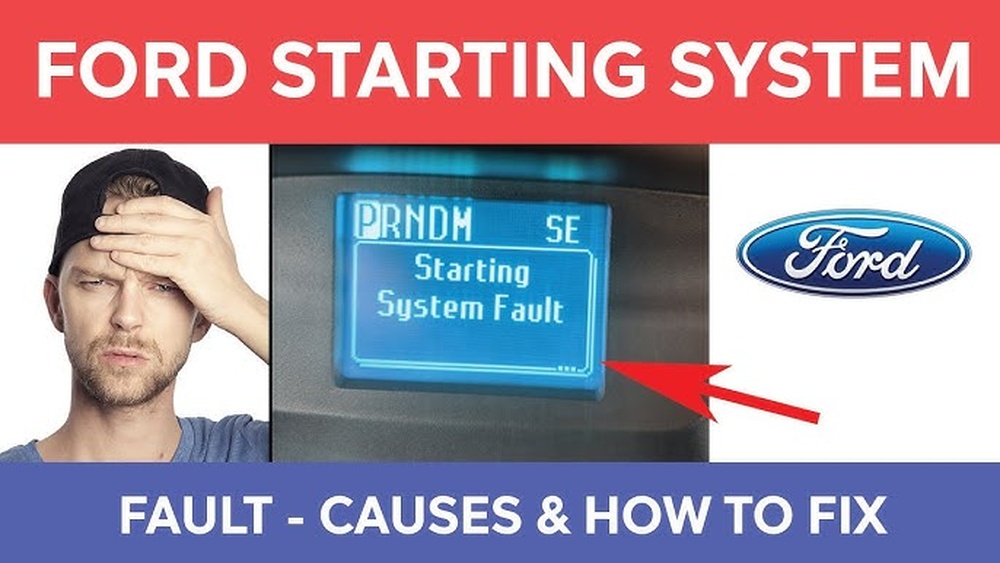
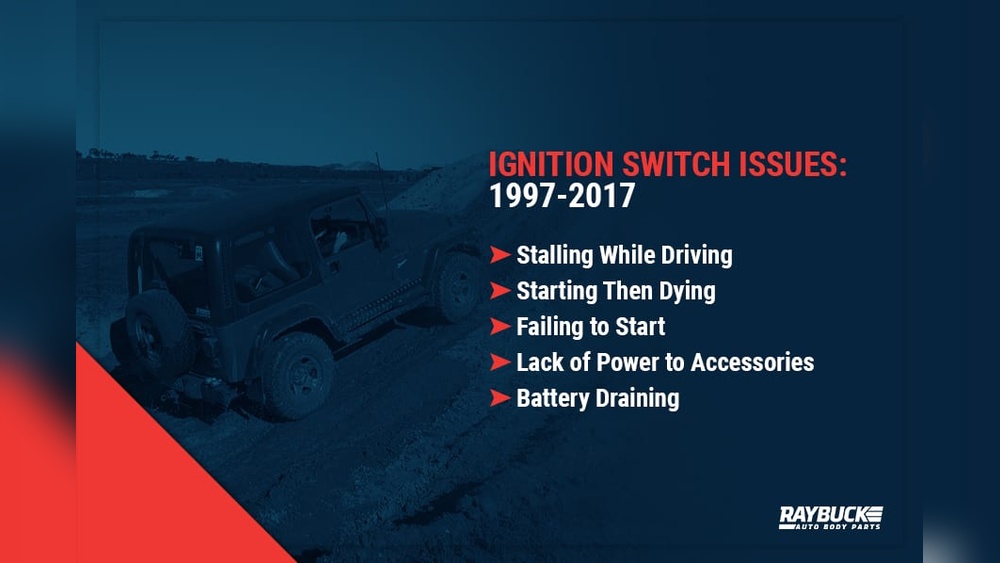
Many owners report problems with dashboard lights, wiring, and sensors. Sometimes, the TIPM (Totally Integrated Power Module) fails, causing strange electrical behavior.
2. Transmission Issues
Both automatic and manual Wranglers can suffer from shifting problems. Some models, especially from 2012–2014, have rough shifting or gear slippage.
3. Engine Problems
Wranglers have strong engines, but some models face oil leaks, stalling, or check engine lights. The 3.6L Pentastar V6 (used since 2012) sometimes suffers from cylinder head failures.
4. Suspension And Steering
The famous “Death Wobble” is a vibration in the steering wheel, usually at high speeds. It’s caused by worn suspension parts and can be scary if it happens.
5. Water Leaks
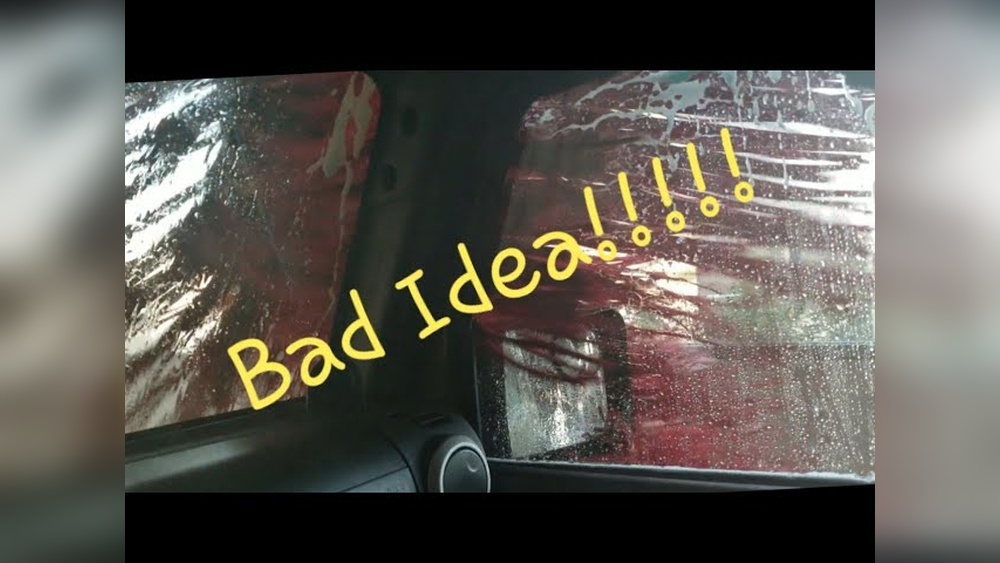
Due to removable roofs and doors, water leaks in the cabin are common, especially after rain or car washes.
6. Rust
Wranglers are often used off-road, so rust can develop on the frame, door hinges, and undercarriage.
7. Fuel System Recalls
Some Wranglers have been recalled for fuel leaks and faulty fuel pumps.
Here’s a quick look at which problems are most common by Wrangler generation:
| Generation | Years | Frequent Issues |
|---|---|---|
| YJ | 1987–1995 | Rust, electrical |
| TJ | 1997–2006 | Water leaks, suspension |
| JK | 2007–2018 | Engine, “Death Wobble” |
| JL | 2018–present | Electrical, recalls |

How Jeep Wrangler Problems Compare To Other Suvs
Wranglers are unique—they’re built for adventure, not for luxury or city comfort. Let’s see how they compare to other popular SUVs:
| Model | Reliability Score (2023) | Average Repair Cost | Common Issues |
|---|---|---|---|
| Jeep Wrangler | 2/5 | $550/year | Suspension, electrical, leaks |
| Toyota 4Runner | 4/5 | $400/year | Minor electrical, frame rust |
| Ford Bronco | 3/5 | $470/year | Transmission, roof leaks |
| Honda CR-V | 5/5 | $350/year | Engine, AC issues |
Wranglers cost more to repair than most mainstream SUVs. The trade-off is their unique design and off-road ability.
Why Do Some Jeep Wranglers Have More Problems?
Wranglers are often driven harder than other vehicles. They go off-road, tow trailers, and get muddy. This causes more wear and tear. Also, the design—with removable roofs and doors—means more parts that can break or leak.
Another reason is that some owners customize their Wranglers. Lift kits, bigger tires, and aftermarket parts can stress the suspension and steering. This increases the chance of problems, especially if upgrades are not installed correctly.
One insight many beginners miss: Wranglers need regular maintenance. Skipping oil changes or ignoring small issues can quickly lead to expensive repairs. Another overlooked factor is the climate. Wranglers used in snowy or salty areas rust faster unless protected.

How To Avoid Common Jeep Wrangler Problems
If you want a Wrangler but worry about issues, there are ways to reduce risks:
- Buy a newer model; JL generation (2018–present) has improved reliability.
- Check for recalls and service bulletins before buying.
- Inspect the frame for rust and signs of off-road damage.
- Test drive to check for “Death Wobble” or leaks.
- Stick to stock parts if you’re not experienced with custom upgrades.
- Keep up with maintenance—especially suspension, fluids, and electrical checks.
Here’s a quick list of smart habits for Wrangler owners:
- Change oil every 5,000 miles
- Inspect suspension yearly
- Wash undercarriage after off-roading
- Check for leaks after heavy rain
- Address dashboard warning lights quickly
Is A Jeep Wrangler Right For You?
A Wrangler is not for everyone. It’s best for those who love adventure and don’t mind extra maintenance. If you want a smooth, quiet ride and low repair costs, another SUV may be better. But if you value off-road capability, a Wrangler can be worth the trade-offs.
Many owners say the fun and freedom outweigh the problems. Still, it’s wise to be realistic. You may face repairs more often than with a Toyota or Honda. Knowing this, you can enjoy your Wrangler and avoid surprises.
For more details on reliability ratings and recalls, check the official NHTSA site.

Frequently Asked Questions
Are Jeep Wranglers Expensive To Maintain?
Wranglers cost about $550 per year for repairs and maintenance. This is higher than most midsize SUVs. Costs can rise if you drive off-road or add custom parts.
What Is The Jeep “death Wobble”?
The Death Wobble is a strong vibration in the steering wheel at high speeds. It’s caused by worn suspension or steering parts. Fixing it often means replacing tie rods, ball joints, or bushings.
Do All Jeep Wranglers Have Water Leaks?
Not all, but many do—especially models with removable roofs or soft tops. Proper seals and regular inspection help prevent leaks.
How Long Do Jeep Wranglers Last?
With good care, Wranglers can reach 150,000–200,000 miles. Rust and neglect shorten their lifespan.
Which Wrangler Generation Has The Fewest Problems?
The JL generation (2018–present) has fewer issues than older models. Improvements in electrical systems and suspension make it more reliable.