Many drivers choose the Jeep Grand Cherokee for its rugged style, strong performance, and comfortable ride. But one question often comes up: How many miles does a Jeep Grand Cherokee last? If you are thinking of buying one, or already own it, knowing the real lifespan is important. Let’s dive into what you can expect, what affects longevity, and how you can make your Grand Cherokee go the distance.
Typical Lifespan Of A Jeep Grand Cherokee
Most Jeep Grand Cherokees can reach 200,000 miles or more with proper care. Many owners report their vehicles running well beyond this mark. On average, you can expect:
- Older models (1990s-early 2000s): Around 180,000 to 220,000 miles
- Recent models (2010s-2020s): Often reach 200,000 to 250,000 miles
Some drivers claim even higher numbers, especially with gentle use and regular maintenance. These numbers are competitive compared to other midsize SUVs.
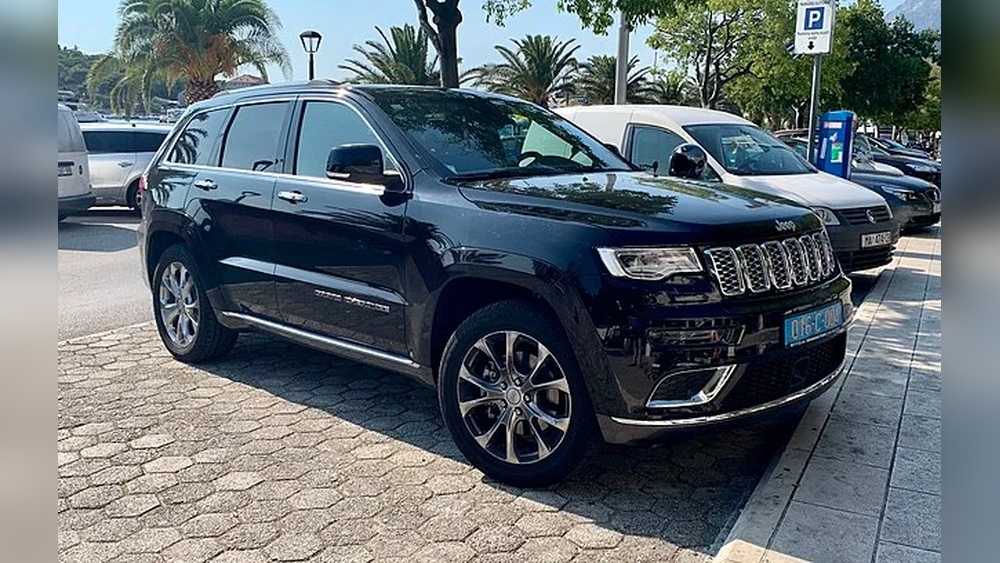
Grand Cherokee Vs Competitors
How does the Grand Cherokee stack up against similar SUVs? Here is a quick comparison:
| Model | Average Lifespan (miles) |
|---|---|
| Jeep Grand Cherokee | 200,000 – 250,000 |
| Toyota 4Runner | 250,000 – 300,000 |
| Ford Explorer | 200,000 – 220,000 |
| Honda Pilot | 200,000 – 250,000 |
While the Toyota 4Runner is famous for higher longevity, the Grand Cherokee holds up well against most American and Japanese competitors.
Key Factors Affecting Longevity
Your Jeep Grand Cherokee’s lifespan depends on several things. Some are under your control, others are not.
1. Maintenance Habits
Regular maintenance is the biggest factor. This includes:
- Oil changes every 5,000-7,500 miles
- Transmission fluid replacement
- Brake checks and tire rotations
- Coolant system inspections
Skipping these can lead to major repairs and shorten your vehicle’s life.
2. Driving Style
Aggressive driving, heavy towing, and frequent off-roading can wear parts faster. Smooth, moderate driving often results in fewer breakdowns.
3. Climate And Environment
Extreme temperatures, salty roads, and humidity can cause rust and damage. Keeping your Grand Cherokee clean and protected helps prevent these issues.
4. Model Year And Engine Type
Some years and engines perform better than others. For example, the 3.6L V6 and 5.7L V8 engines are known for durability. Older models may struggle with rust or electrical issues.
Here’s a quick look at engine durability:
| Engine | Typical Lifespan (miles) |
|---|---|
| 3.6L V6 (Pentastar) | 220,000+ |
| 5.7L V8 (Hemi) | 210,000+ |
| Diesel (EcoDiesel) | 200,000+ |
5. Maintenance Costs
As the Jeep Grand Cherokee ages, maintenance costs rise. After 100,000 miles, you may face issues like:
- Suspension repairs
- Transmission fixes
- Electrical glitches
These costs can be higher than some Japanese SUVs, but lower than luxury brands.
Common Problems After High Mileage
Even with good care, high-mileage Grand Cherokees often face certain problems. Recognizing these early can save you money and keep your SUV running longer.
- Transmission issues: Shifting problems or leaks may appear after 120,000 miles.
- Suspension wear: Bushing and ball joint replacements are common after 100,000 miles.
- Rust: Especially in older models and those in snowy climates.
- Electrical faults: Window switches, sensors, and lights may fail with age.
Not every Grand Cherokee will have these issues, but it’s wise to check them during routine service.
Real-world Examples
Many Jeep owners have shared their experiences online. For instance, some 2012 Grand Cherokees have gone past 230,000 miles with only minor repairs. A 2003 model in Texas reportedly reached 275,000 miles after regular oil changes and transmission service.
One non-obvious insight: Grand Cherokees driven mostly on highways tend to last longer than those used for city driving or frequent towing. Also, factory recalls or updates can improve reliability, so keeping up with these matters.

Tips To Make Your Jeep Grand Cherokee Last Longer
If you want your Grand Cherokee to reach or surpass the 200,000-mile mark, here are practical tips:
- Follow the service schedule: Stick to the factory maintenance guide.
- Use quality fluids and parts: Cheap replacements can cause faster wear.
- Keep it clean: Wash salt, dirt, and debris off regularly.
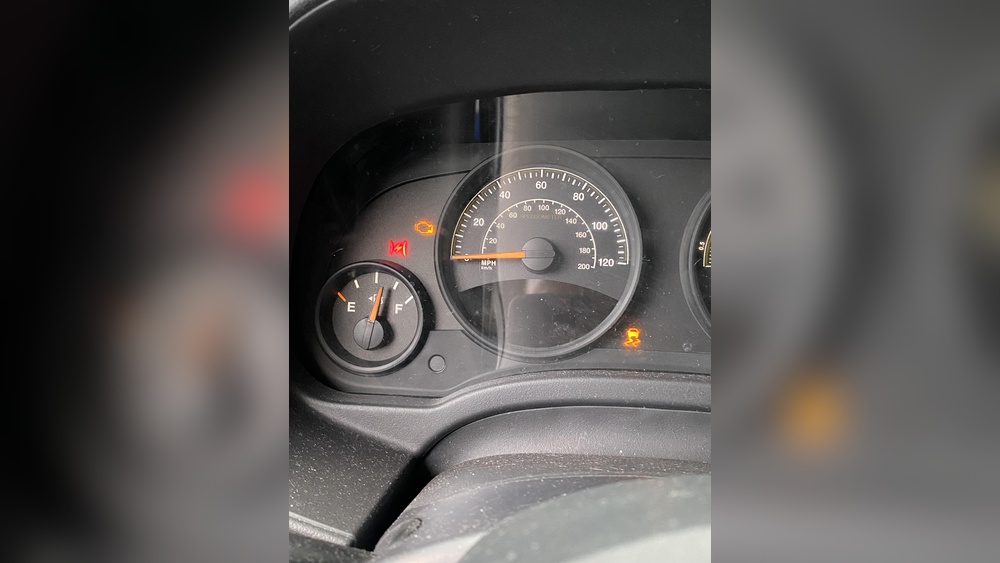
- Watch for warning lights: Don’t ignore engine or transmission alerts.
- Drive gently: Avoid rapid acceleration and hard braking.
Many drivers skip regular checks on the transfer case and differential fluids, but these are crucial for longevity.
When Is It Time To Replace Your Grand Cherokee?
If repair bills start to exceed the vehicle’s value, or safety becomes a concern, it may be time to move on. Common signs include:
- Frequent breakdowns
- Major engine or transmission failure
- Extensive rust
However, with careful upkeep, you may enjoy your Grand Cherokee for many years.

Frequently Asked Questions
How Many Miles Can A Jeep Grand Cherokee Really Last?
Most Grand Cherokees last 200,000 miles or more. Some reach 250,000 miles with excellent care. The record for some owners is over 300,000 miles.
Does The Year Or Model Of The Jeep Grand Cherokee Matter?
Yes. Newer models (2010 and later) tend to last longer and have fewer electrical issues. Engines like the Pentastar V6 and Hemi V8 are known for reliability.
What Maintenance Is Most Important For A Long Lifespan?
Regular oil changes, transmission service, and checking brakes and suspension are key. Don’t skip coolant and differential fluid changes.
Is The Jeep Grand Cherokee More Expensive To Maintain Than Other Suvs?
Maintenance costs are higher than some Japanese SUVs but less than luxury brands. After 100,000 miles, expect to pay more for repairs.
Where Can I Find More Data On Suv Longevity?
You can find more detailed statistics at Wikipedia for Jeep Grand Cherokee and other SUVs.
Taking care of your Jeep Grand Cherokee pays off. With regular maintenance and smart driving, most owners enjoy their vehicles for well over 200,000 miles. If you plan ahead, follow the right steps, and stay alert to early signs of trouble, your Grand Cherokee can be a reliable companion for many years and miles.