When driving in fog, your visibility drops sharply. This is when fog lights become essential.
They are designed to cut through mist and low-lying clouds, giving you a clearer view of the road. But if your fog lights are not aimed correctly, they can be almost useless—or even dangerous.
Poorly adjusted lights might blind other drivers or fail to light up the road where you need it most. Learning how to adjust fog lights is a practical skill every car owner should know.
This article will guide you through the process step by step, highlight common mistakes, and share tips to get the best results.
Why Fog Light Adjustment Matters
A correctly aimed fog light sits low and wide, focusing on the road right in front of your car. If aimed too high, the beam reflects off fog and creates glare, making it even harder to see. If aimed too low or too far to the side, you lose crucial visibility.
Many drivers assume their fog lights are set correctly from the factory. However, even a small bump or a change in tire size can shift the alignment. Adjusting them ensures you’re meeting both safety and legal requirements. Some regions even have regulations on fog light height and angle.
Tools And Preparation
Before you start adjusting, gather these basic tools:
- Phillips or flathead screwdriver (depending on your vehicle)
- Measuring tape
- Masking tape
- Level surface (garage floor or driveway)
- Wall or garage door (to project the beam)
- Owner’s manual for your car
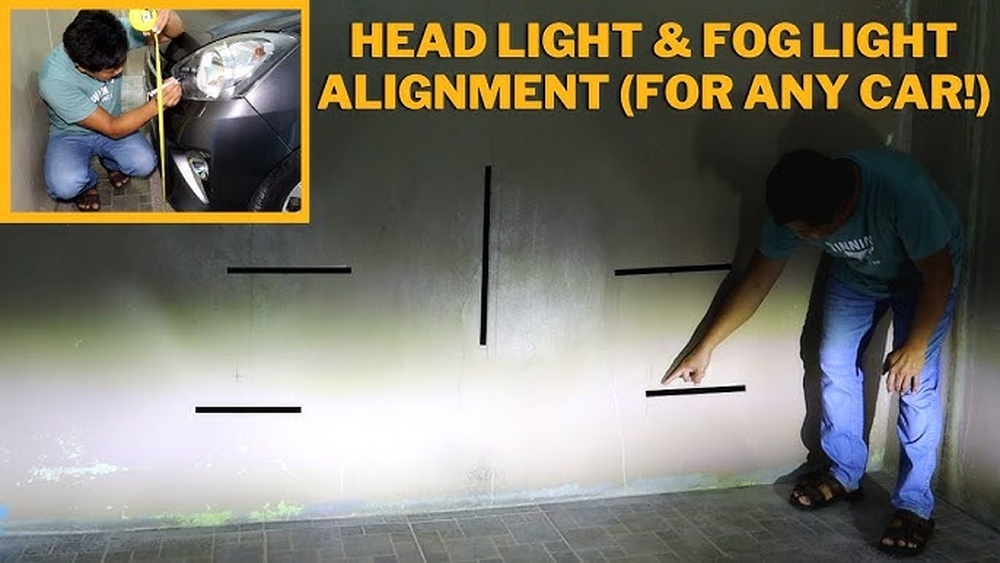
Park your car about 25 feet from a wall. Make sure the car is level, tires are inflated correctly, and there’s no extra weight in the trunk or back seat.
Step-by-step Guide To Adjusting Fog Lights
Follow these steps to properly aim your fog lights:
1. Locate The Adjustment Screws
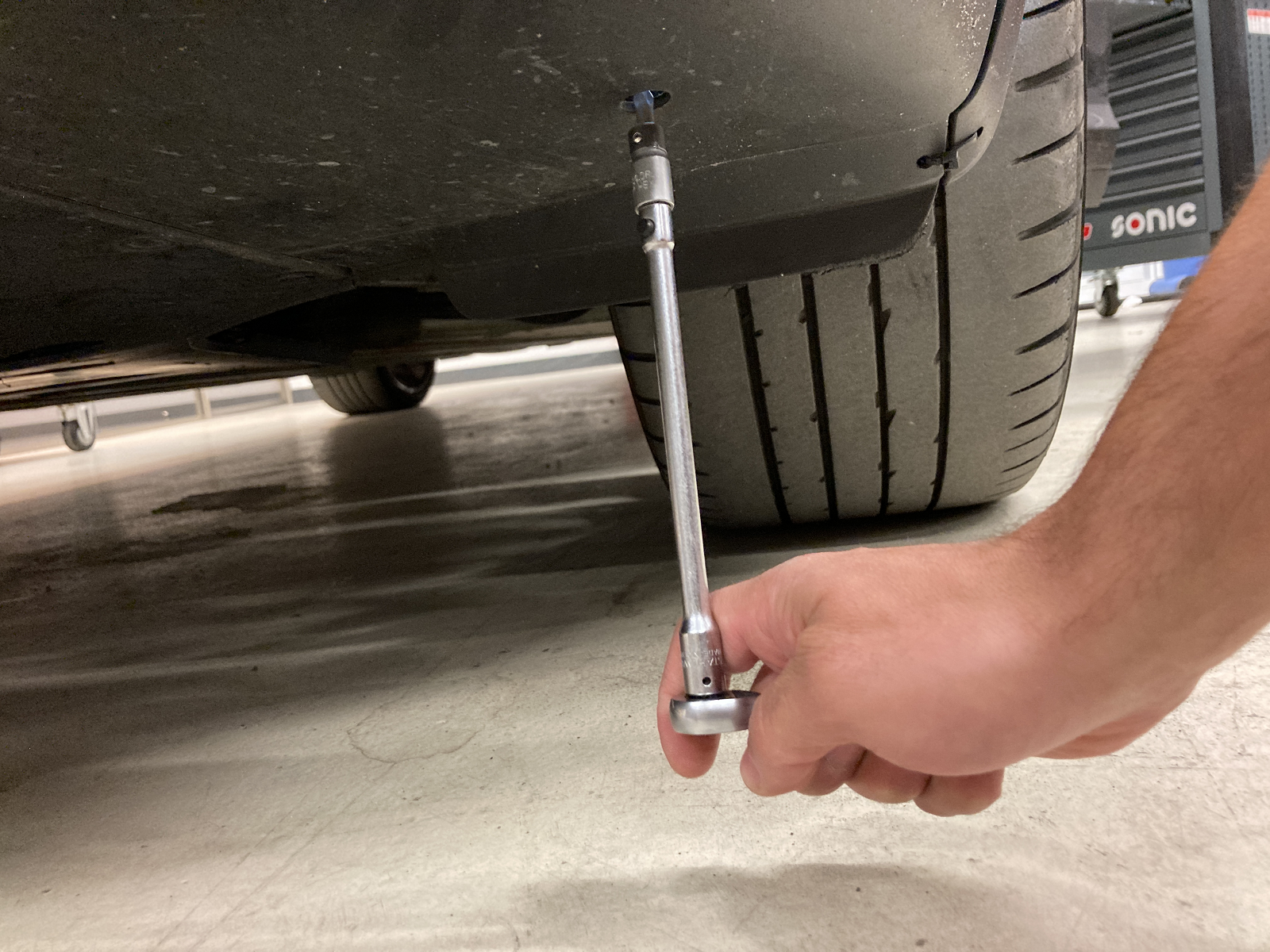
Most cars have vertical and sometimes horizontal adjustment screws near the fog lights. These are usually accessible from above or behind the light assembly. Your car’s manual will show the exact location.
2. Mark Your Reference Points
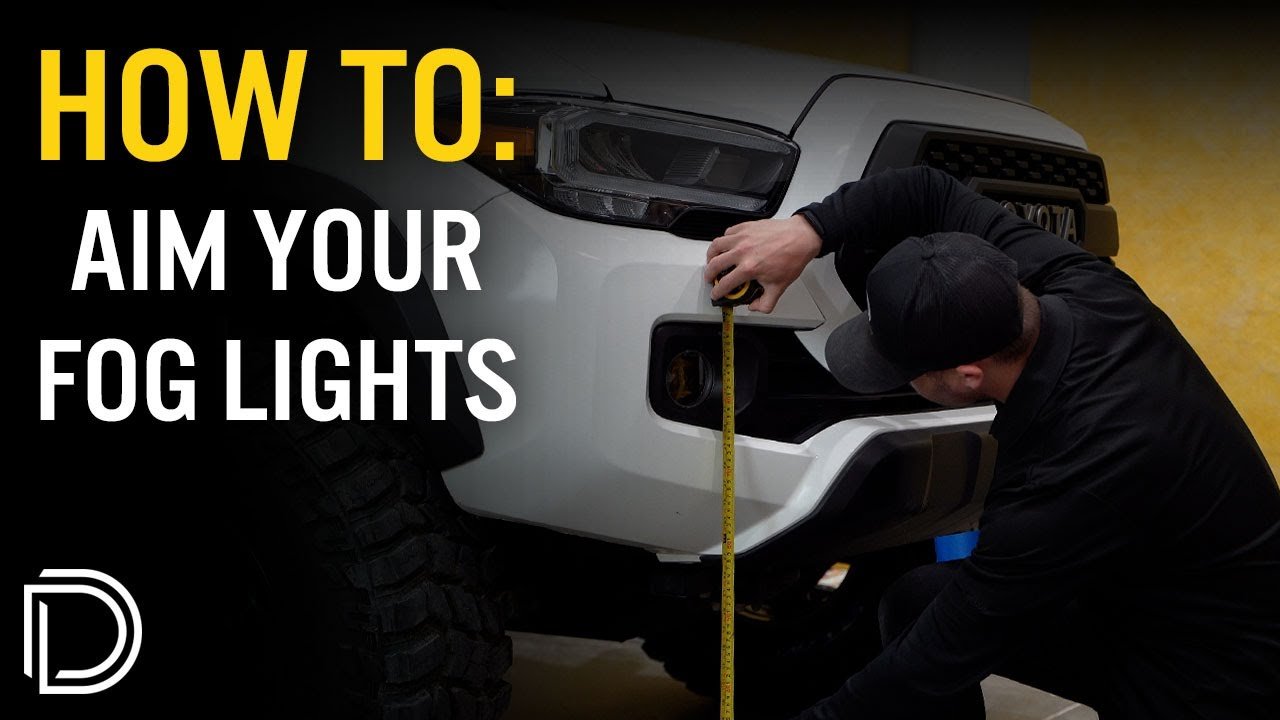
Use masking tape to mark the centerline of your car on the wall. Then, measure the distance from the ground to the center of each fog light.
Mark this height on the wall with horizontal tape.
3. Turn On The Fog Lights
Set your lights to the “on” position. You should see two bright spots on the wall. These will be your reference points.
4. Adjust Vertical Aim
Use the screwdriver to turn the vertical adjustment screw. The top of each light’s beam should hit about 4 inches below the height of the fog light center. This helps keep the beam low and focused.
5. Adjust Horizontal Aim (if Needed)
Some models allow horizontal adjustment. The light should aim straight ahead, not off to the sides.
The brightest part of the beam should be just to the right of your car’s centerline to avoid dazzling oncoming drivers.
6. Test Your Adjustment
Take your car for a short drive in a dark area. Check if the road ahead is well-lit and if the lights are not blinding other drivers. Make minor tweaks if necessary.
Comparison: Fog Lights Vs. Headlights
Understanding the difference helps you appreciate why aiming is so important.
| Feature | Fog Lights | Headlights |
|---|---|---|
| Beam Pattern | Wide, low | Narrow, long-range |
| Best For | Fog, rain, snow | Normal night driving |
| Mounting Position | Low on vehicle | Higher, near hood |
Mistakes To Avoid
Many car owners make errors that reduce the effectiveness of their fog lights. Here are two common mistakes:
- Ignoring the Adjustment After Repairs: Even a simple bumper repair can change the light’s position. Always recheck alignment after any front-end work.
- Using Fog Lights Incorrectly: Fog lights are not for everyday use. Overusing them can dazzle other drivers and is often against the law.
Real-world Examples
Imagine a driver uses fog lights that point too high. Instead of lighting the road, they bounce off fog and create a “white wall” effect.
The driver sees less, not more. Another driver aims the lights too far left, blinding oncoming traffic and increasing accident risk.
Proper alignment prevents both problems.
How Fog Light Types Affect Adjustment
There are halogen, LED, and HID fog lights. Each type may have a different beam pattern and brightness.
| Type | Brightness (Lumens) | Common Adjustment Range |
|---|---|---|
| Halogen | 1,000 – 1,500 | 3-5 inches below center |
| LED | 1,500 – 3,000 | 4-6 inches below center |
| HID | 2,000 – 3,500 | 4-7 inches below center |
LED and HID fog lights are brighter, so keeping the beam low is even more important to avoid glare.
Practical Tips For Perfect Fog Light Adjustment
- Adjust at night for a clearer view of the beam pattern.
- Clean your lenses before adjusting. Dirt can change the beam.
- Recheck alignment every 6 months or after any suspension work.
- Use a level surface—even a slight slope can throw off your adjustment.
One often-missed insight: Measure both the distance to the wall and height from the ground precisely. Small errors multiply at night, especially in thick fog. Also, remember that tire pressure or uneven loading can subtly change aim—check these before starting.

Legal Considerations
Laws on fog light use vary by location. Some places allow them only in poor visibility, while others limit their brightness or angle. Always consult your local regulations to avoid fines or inspection failures. A good resource for legal details is the National Highway Traffic Safety Administration.
Frequently Asked Questions
What Is The Ideal Height For Fog Light Beams?
Aim the top edge of the beam 4 inches below the light’s center height on a wall 25 feet away. This keeps the beam low and maximizes road visibility without blinding others.
Can I Adjust Fog Lights Without Special Tools?
Most adjustments use a simple screwdriver. Always check your car’s manual for the correct tool and method for your specific model.
How Often Should I Check Fog Light Alignment?
Review alignment every 6 months, after suspension or tire changes, or following any front-end repairs. Regular checks keep you safe and legal.
Do All Vehicles Have Adjustable Fog Lights?
Not all. Some factory-installed fog lights are fixed.
If yours lack adjustment screws, you may need professional help or aftermarket solutions.
Why Do My Fog Lights Still Seem Dim After Adjustment?
Dirty lenses, old bulbs, or poor-quality replacements can reduce brightness. Clean the lenses and consider upgrading bulbs if the beam remains weak.
Adjusting fog lights is more than a quick fix it’s a key step for safer driving in bad weather. With the right tools and knowledge, you can improve your visibility, avoid dazzling others, and stay on the right side of the law.
Take a few minutes to align your fog lights today, and you’ll see the road ahead much more clearly.