If you own a Jeep and want to upgrade your ride, removing the fenders is a popular first step. Many people do this to install bigger tires, improve off-road performance, or simply refresh the look. While it may seem complicated, removing Jeep fenders is manageable for most DIYers if you follow the right steps. This guide covers everything you need, from tools to tips, and includes practical advice that even beginners often overlook.
Why Remove Jeep Fenders?
Jeep fenders protect your vehicle from mud, rocks, and debris. But, removing them can:
- Make room for larger tires
- Reduce weight for better off-road handling
- Give your Jeep a rugged, custom look
Many Jeep owners also remove fenders to replace them with aftermarket options or to repair damage. It’s a common upgrade, especially for models like the Jeep Wrangler and Jeep Gladiator.
Tools And Preparation
Before starting, gather these essential tools:
- Socket wrench set (most bolts are 10mm or 8mm)
- Flat-head and Phillips screwdrivers
- Torx bits (common for Jeep models)
- Trim removal tool
- Protective gloves
- Safety glasses
Important tip: Always check your Jeep’s manual for bolt sizes and locations. Some models have hidden fasteners that are easy to miss.
Here’s a quick comparison of tool requirements for popular Jeep models:
| Jeep Model | Common Tools Needed | Hidden Fasteners? |
|---|---|---|
| Wrangler JK | Socket, Torx, Trim Tool | Yes |
| Gladiator JT | Socket, Torx, Screwdriver | Yes |
| Cherokee | Socket, Screwdriver | No |

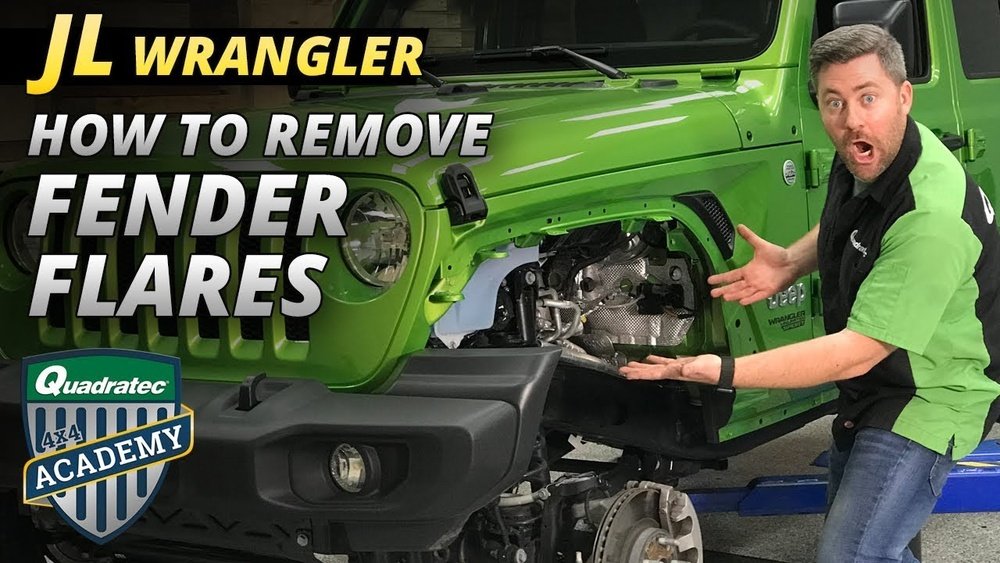
Step-by-step Fender Removal
Follow these steps to remove your Jeep’s fenders safely and efficiently:
1. Disconnect The Battery
Unplug the battery to avoid electrical issues, especially if your fenders have running lights or sensors.
2. Remove The Wheel
For easier access, take off the wheel closest to the fender you’re working on.
3. Locate All Fasteners
Check inside the wheel well, under the hood, and along the edge of the fender. Use your manual for guidance.
4. Remove Bolts And Clips
Use your socket wrench and trim removal tool to take out all bolts and plastic clips. Keep them in a safe spot for later.
5. Disconnect Wiring
If your fender has lights or sensors, gently unplug the connectors. Don’t pull wires by force.
6. Pull Off The Fender
Start at the edge and work your way around. If it’s stuck, double-check for missed fasteners. Never use excessive force.
Many beginners miss bolts behind the liner or under mud. Use a flashlight to inspect carefully.
8. Clean The Mounting Area
After removal, clean off dirt and debris before installing new fenders or leaving the area exposed.
Pro insight: Some models have foam padding or sealant behind the fender. Removing this without damaging the paint needs patience and a plastic scraper.
Common Mistakes And How To Avoid Them
Removing Jeep fenders isn’t difficult, but mistakes can cost time or cause damage. Here are common errors:
- Forgetting to disconnect the battery
- Missing hidden fasteners (especially behind liners)
- Breaking plastic clips by rushing
- Pulling on wires instead of connectors
- Scratching the paint with metal tools
Here’s a quick summary of mistakes to watch for:
| Mistake | Impact | How to Avoid |
|---|---|---|
| Skipping battery disconnect | Electrical shorts | Always unplug battery first |
| Missing fasteners | Damage to fender or body | Use manual, inspect carefully |
| Breaking clips | Extra repair costs | Use trim tool, work slowly |

After Removing The Fenders
Once the fenders are off, you have a few options:
- Install aftermarket fenders for more clearance and style
- Leave the area open for a rugged look (but check local laws)
- Repair or repaint any exposed areas
Note: Driving without fenders may be illegal in some states. Mud and debris can also damage your Jeep’s body or other vehicles. Always check regulations before hitting the road.
Tips For A Smooth Process
Many guides miss these smart tips:
- Label bolts and clips as you remove them. This makes reinstallation much easier.
- Protect paint edges with masking tape before using tools. This prevents scratches.
- Take photos during each step. It helps you remember where wires and clips go.
For extra guidance, you can read the official Jeep maintenance advice at Jeep.com.

Frequently Asked Questions
How Long Does It Take To Remove Jeep Fenders?
On average, it takes 1-2 hours per fender if you’re working carefully. Beginners may need more time, especially on newer models with extra wiring.
Will Removing Fenders Void My Warranty?
Usually, removing fenders does not void the warranty unless you damage other parts or electrical systems. Check your warranty terms to be sure.
Can I Drive My Jeep Without Fenders?
Legally, many states require fenders to keep mud and debris off the road. You should check your local laws before driving without them.
What Size Tires Can I Fit After Removing Fenders?
Removing fenders allows for larger tires, often up to 35 inches or more, depending on suspension and lift. Always check tire clearance before installation.
Is It Safe To Remove Fenders Myself?
Yes, it’s safe if you follow the steps and use proper tools. However, if you feel unsure, a professional can do the job quickly and safely.
Removing Jeep fenders can transform your vehicle and improve off-road abilities. With the right tools, patience, and attention to detail, most owners can handle this upgrade themselves. Remember to watch for hidden fasteners, protect your paint, and check local regulations before driving.
With these tips, your Jeep will be ready for its next adventure.