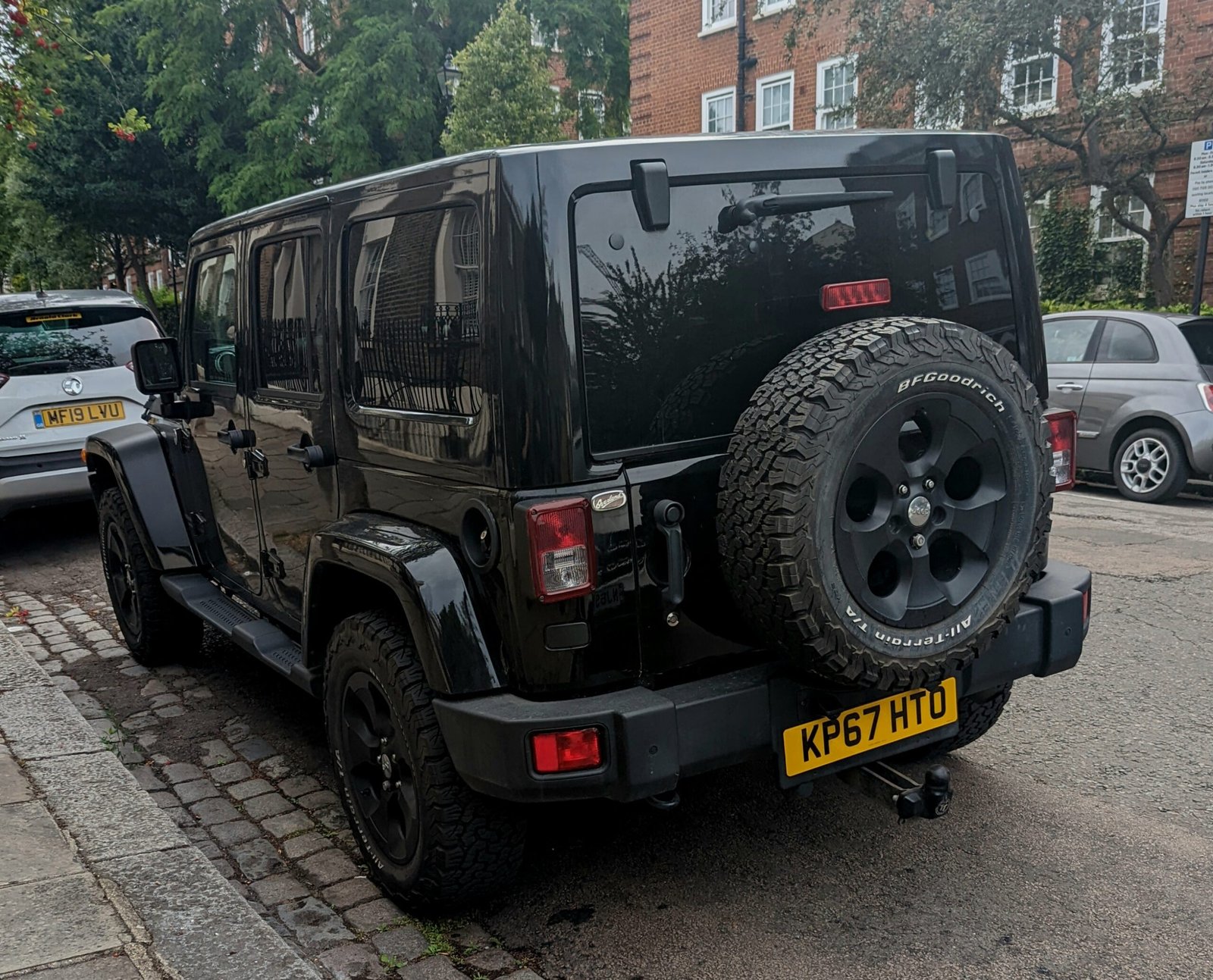
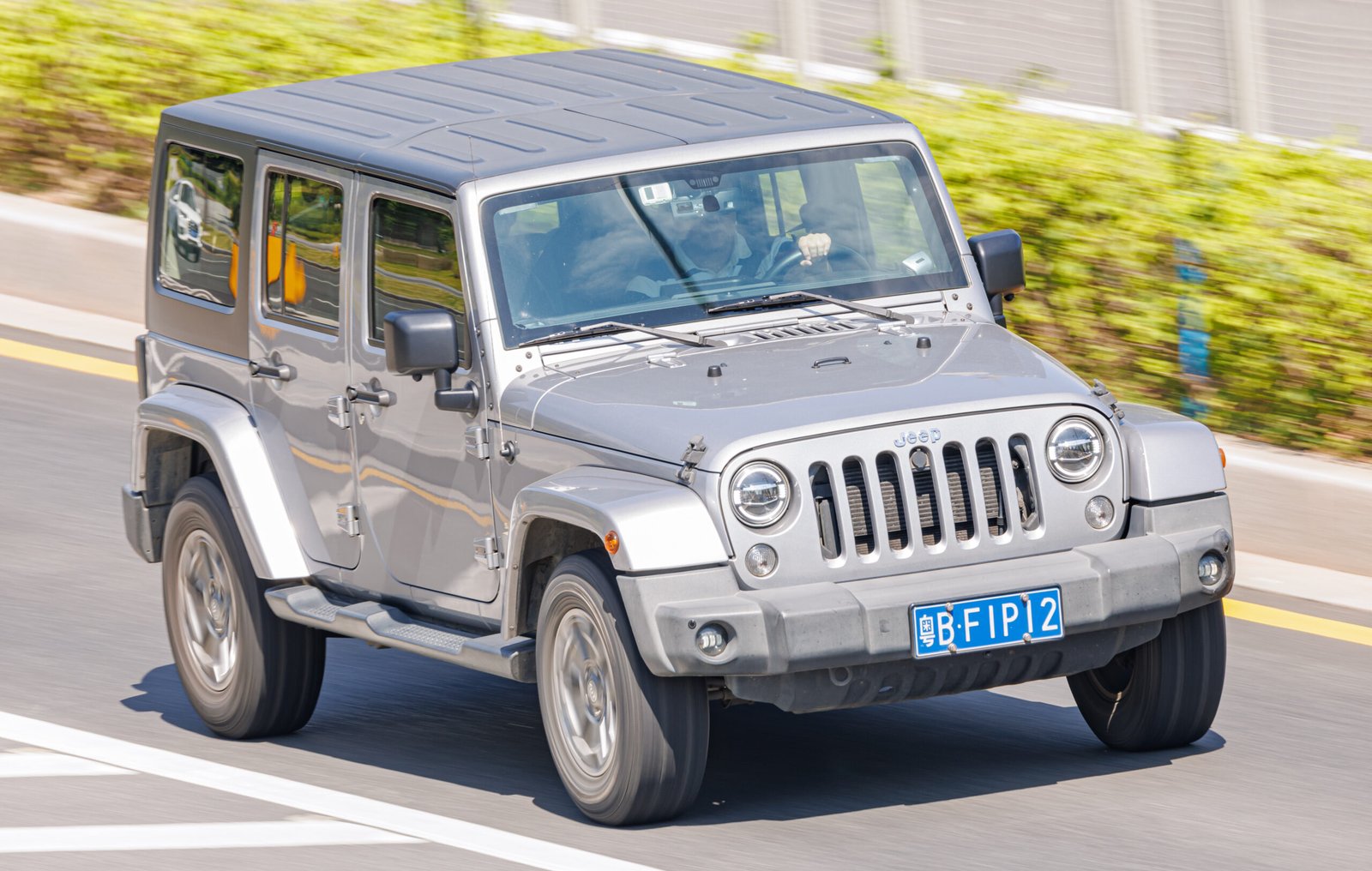
Changing the oil in your 2014 Jeep Grand Cherokee is one of the most important maintenance tasks you can do to keep your SUV running smoothly. Many owners prefer to do this themselves to save money and gain confidence about their vehicle. If you’ve never changed oil before, don’t worry. This guide breaks down each step so you can handle the job safely and easily, even if you’re a beginner.
Why Oil Changes Matter
Engine oil keeps your engine parts lubricated, reduces heat, and helps prevent wear. Over time, oil gets dirty and loses its effectiveness. Changing the oil and replacing the oil filter ensures your engine stays healthy and lasts longer. For the 2014 Jeep Grand Cherokee, experts recommend changing oil every 5,000 to 7,500 miles, depending on your driving habits.
What You’ll Need
Before you start, gather these tools and materials:
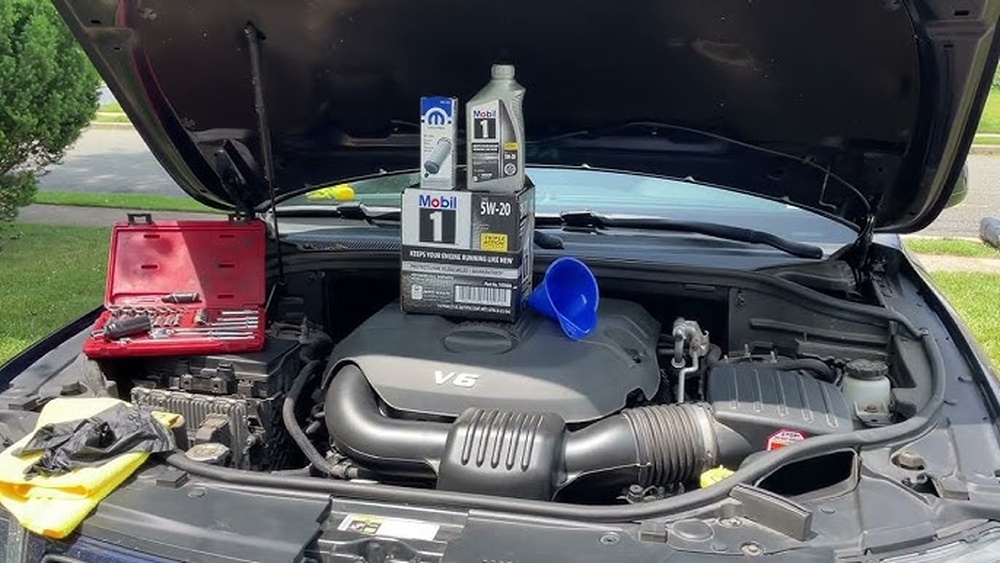
- 6 quarts of 5W-20 (for most engines) or 0W-20 (for diesel)
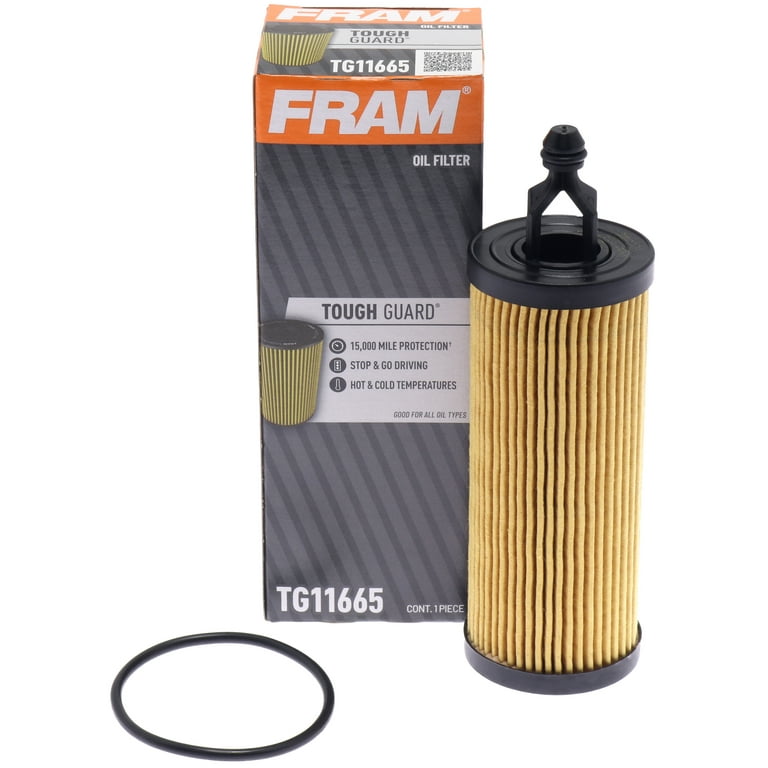
- Oil filter (check your engine type for the correct part)
- Oil filter wrench
- Socket set (usually 13mm or 15mm for drain plug)
- Drain pan
- Funnel
- Rags or paper towels
- Jack and stands (or ramps)
- Gloves
Check your owner’s manual to confirm the correct oil and filter type for your engine. Using the wrong oil can cause performance issues and damage.
Step-by-step Oil Change Process
Changing your oil is not difficult, but following the right steps is important for safety and success.
1. Prepare Your Jeep
Park your Grand Cherokee on a flat surface. Turn off the engine and let it cool for 10-15 minutes. This prevents burns and lets the oil settle.
Lift the front of your vehicle with a jack and stands or ramps. Always use proper safety equipment—never rely only on the jack.
2. Remove The Old Oil
Locate the oil drain plug under the engine. Place the drain pan beneath it. Use your socket wrench to loosen and remove the plug. Oil will flow out quickly; let it drain until the stream becomes slow.
Non-obvious tip: Wipe the plug and check the gasket. Many beginners skip this, but a worn gasket can cause leaks.
3. Change The Oil Filter
Find the oil filter. It’s usually on the side of the engine. Use your filter wrench to loosen it. Remove the filter and let any remaining oil drain out.
Before installing the new filter, lightly coat the rubber seal with fresh oil. This helps it seal properly and prevents sticking next time.
4. Install The Drain Plug And New Filter
Once the oil is drained, screw the drain plug back in. Don’t overtighten—hand tight plus a quarter turn is enough.
Install the new oil filter. Again, don’t overtighten. Most filters only need to be snug.
5. Add New Oil
Remove the oil filler cap on top of the engine. Place a funnel in the opening and pour in the new oil—usually 6 quarts for the 2014 model. If you’re unsure, add 5 quarts, then check the dipstick and add more as needed.
Non-obvious tip: Wait a few minutes after pouring oil before checking the dipstick. This gives oil time to flow into the pan for an accurate reading.
6. Check Levels And Clean Up
Start the engine and let it run for 1-2 minutes. Turn it off and wait another minute. Check the oil level with the dipstick. Add more if needed.
Dispose of used oil and filter at a recycling center. Never pour oil down drains or into the ground.
Comparison Of Oil Types
Choosing the right oil makes a big difference. Here’s a quick comparison:
| Oil Type | Temperature Range | Best For |
|---|---|---|
| 5W-20 | -20°F to 100°F | Gasoline engines |
| 0W-20 | -30°F to 90°F | Diesel engines |
| 5W-30 | -20°F to 110°F | Heavy-duty use |
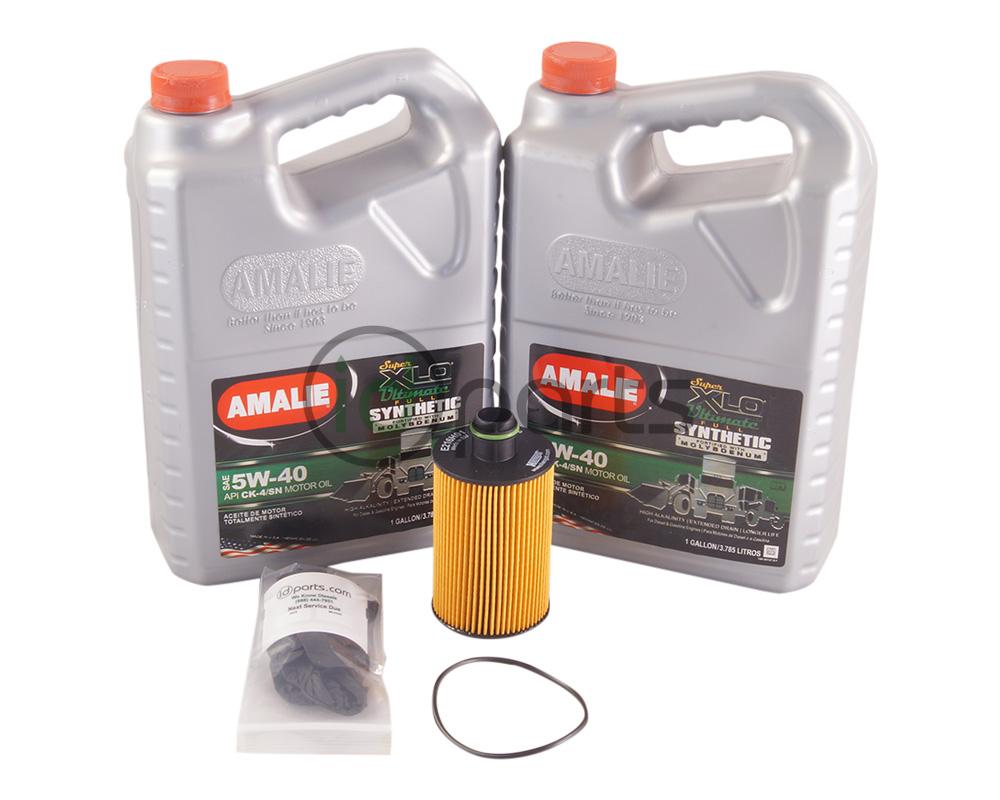
Oil Filter Comparison
Not all oil filters are equal. Here’s a look at two common options:
| Filter Brand | Durability | Price |
|---|---|---|
| OEM Mopar | High | $12–$20 |
| Fram Extra Guard | Medium | $8–$15 |
Common Mistakes To Avoid
- Using the wrong oil type. Always check your manual.
- Overfilling the oil. Too much oil can cause engine damage.
- Forgetting to tighten the drain plug or filter. This leads to leaks.
- Ignoring the oil change interval. Waiting too long increases engine wear.
- Not recycling used oil. It’s illegal and harms the environment.

How Often Should You Change Oil?
For most 2014 Grand Cherokees, changing oil every 5,000 to 7,500 miles is ideal. If you drive in harsh conditions (hot weather, towing, dusty roads), stick to the shorter interval. According to the US EPA, regular oil changes can improve fuel economy by up to 2%.
Quick Reference: Oil Change Specs
| Spec | Value |
|---|---|
| Oil Capacity | 6 quarts |
| Oil Type | 5W-20 or 0W-20 |
| Filter Type | Mopar, Fram, Bosch |
| Drain Plug Size | 13mm or 15mm |
Frequently Asked Questions
How Long Does It Take To Change Oil?
For a beginner, expect about 45–60 minutes. Experienced owners may finish in 30 minutes.
What Happens If I Forget To Change Oil?
Old oil can cause engine wear, overheating, and even failure. Regular changes are critical for engine health.
Can I Use Synthetic Oil?
Yes, synthetic oil is recommended for better protection and longer intervals. Just be sure it meets Jeep’s specs.
Do I Need To Replace The Oil Filter Every Time?
Always replace the oil filter with each oil change. Old filters can clog and reduce oil flow.
Where Can I Dispose Of Used Oil?
Take used oil to an auto parts store or recycling center. Many stores accept oil for free. More info at EPA Recycling.
Changing the oil in your 2014 Jeep Grand Cherokee is easier than you might think. With the right tools, a careful approach, and attention to detail, you’ll keep your SUV running at its best. Remember, good maintenance pays off with better performance and fewer repairs.