Owning a Jeep means adventure, but over time, your hardtop can lose its deep color and shine. Sunlight, rain, and dirt can make the hardtop look faded and old. Many Jeep owners want their vehicle to stand out, but a faded hardtop can ruin the look. Luckily, you don’t need to spend thousands on a new top. With the right steps, you can bring back the rich, original color and finish, making your Jeep look fresh and ready for any road.
Why Do Jeep Hardtops Fade?
Jeep hardtops are made from fiberglass or ABS plastic and finished with a textured coating. UV rays from the sun break down this coating over time. Rain, snow, and dust also wear away the protective layer. According to Jeep forums, most hardtops start fading after 3-5 years, especially in sunny climates. This fading isn’t just about looks—a damaged top can let in water or crack.
Main Causes Of Fading
- Sun exposure: UV rays break down surface pigments.
- Weather: Rain and snow speed up wear and tear.
- Harsh cleaners: Some chemicals strip away the protective layer.
- Neglect: Lack of regular cleaning and protection.
How To Restore Faded Jeep Hardtop
Restoring a faded hardtop is easier than you may think. You can get great results with basic tools and supplies. Here’s a step-by-step guide to help your Jeep shine again.
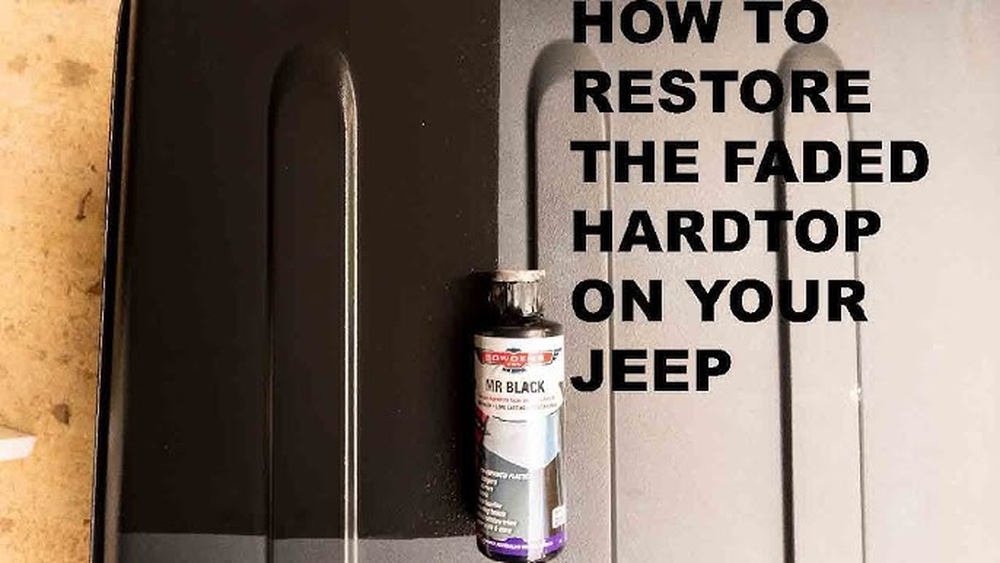
What You Need
- Mild car wash soap
- Soft brush or sponge
- Microfiber towels
- Plastic or vinyl restorer (like Meguiar’s or Mothers)
- Masking tape (if you need to protect paint)
- UV protectant (optional, for extra protection)
Step 1: Clean Thoroughly
Wash the hardtop with mild car wash soap and water. Use a soft brush to remove dirt and grime from the textured surface. Rinse well and dry with microfiber towels.
Tip: Avoid using household cleaners. They can damage the top’s finish.
Step 2: Inspect For Damage
Check for deep scratches, cracks, or peeling areas. If you see damage, repair it before restoring the color. Small scratches can be buffed out gently. For larger cracks, consider professional help.
Step 3: Apply Plastic Restorer
Choose a plastic restorer made for automotive exteriors. These products return color and shine.
- Apply masking tape around the edges to protect paint.
- Pour a small amount of restorer onto a microfiber towel.
- Rub into the hardtop using circular motions.
- Let the product dry as directed.
Most restorers last 6-12 months. Some require multiple coats for best results.
Step 4: Buff And Finish
After the restorer dries, buff the surface with a clean towel. This step helps the color look even and brings out a soft shine.
Step 5: Add Uv Protection
For extra durability, use a UV protectant spray. This helps prevent fading in the future. Spray evenly and wipe off excess.
Comparing Restoration Products
Choosing the right restorer is important. Here’s a quick look at popular products:
| Product | Lasts | Price (avg) | UV Protection |
|---|---|---|---|
| Meguiar’s Ultimate Black | 6 months | $12 | Yes |
| Mothers Back-to-Black | 8 months | $14 | Yes |
| 303 Aerospace Protectant | 3 months | $16 | Yes |
Diy Vs Professional Restoration
Some Jeep owners prefer professional restoration for a perfect finish. Here’s how DIY compares to professional work:
| Method | Cost | Time | Result |
|---|---|---|---|
| DIY | $15-$30 | 1-2 hours | Good |
| Professional | $150-$400 | Half day | Excellent |

Common Mistakes To Avoid
Restoring a Jeep hardtop is simple, but mistakes can ruin the finish. Here are some things to watch out for:
- Using harsh cleaners that strip color
- Applying restorer in direct sunlight (causes streaks)
- Not cleaning surface thoroughly before restoration
- Skipping UV protection after restoration
Many beginners forget to mask the paint. Restorer can stain painted surfaces, so always use tape.
How Long Will The Restoration Last?
Most restorers last 6-12 months, depending on the product and climate. In sunny states, the top may start fading again after just 6 months. Regular cleaning and applying UV protectant can extend the finish. Jeep owners in colder climates see longer-lasting results.
According to tests on Jeep forums, hardtops treated with a quality restorer and UV spray look fresh for up to a year.
Real-world Example
Tom, a Jeep owner in Arizona, restored his 2016 Wrangler hardtop after four years in the sun. He used Mothers Back-to-Black and UV protectant. The process took two hours, and the results surprised him—his hardtop looked almost new. He noticed the finish faded slightly after eight months, so he repeated the process yearly.
Tom’s Jeep still turns heads, even after 100,000 miles.
Maintenance Tips For Lasting Results
- Wash the hardtop monthly with mild soap.
- Reapply plastic restorer every 6-12 months.
- Use UV protectant spray after every wash.
- Avoid parking in direct sunlight for long periods.
- Never use abrasive pads or harsh chemicals.
These steps help keep your hardtop looking great for years.
Frequently Asked Questions
How Often Should I Restore My Jeep Hardtop?
You should restore your hardtop every 6-12 months. If you live in a sunny area, do it more often. Regular maintenance keeps the color deep and prevents damage.
Can I Use Household Cleaners On My Hardtop?
No. Household cleaners can strip the finish and cause fading. Always use car wash soap or products made for automotive plastics.
Will Restoration Fix Cracks Or Deep Scratches?
Restoration improves color and shine but does not repair cracks or deep scratches. For serious damage, consider professional repair.
Is There A Difference Between Fiberglass And Plastic Tops?
Yes. Fiberglass tops are stronger and less likely to crack, but both fade from UV exposure. Restoration steps are similar for both materials.
What’s The Best Way To Protect My Hardtop After Restoration?
Apply a UV protectant regularly, park in the shade when possible, and wash monthly. This helps prevent fading and keeps your Jeep looking sharp.
Restoring your Jeep hardtop is a smart, budget-friendly way to keep your vehicle looking its best. With simple steps, the right products, and regular care, your hardtop can shine for years. If you want more product details, visit Jeep’s official site for tips and maintenance guides.