Getting stuck at the gas station because you can’t find the gas tank release on your Jeep Wrangler can be frustrating. If you’re new to the Wrangler or renting one, you might expect a button or lever inside the cabin. Jeep Wranglers, however, have a unique system. This guide will show you exactly how to open the gas tank on a Jeep Wrangler, break down key models, and help you avoid common mistakes. By the end, you’ll feel confident every time you fill up. Even if you’ve driven many vehicles before, the Wrangler’s approach is different and can catch anyone off guard. So let’s make sure you never feel confused or stuck at the pump again.
Locating The Gas Tank On Jeep Wrangler
Most Jeep Wranglers have the fuel filler door on the driver’s side, near the rear wheel. The design is simple, with no electronic release or interior lever. This surprises many, especially if you’re used to sedans or SUVs. Instead, the gas tank door is operated manually.
Jeep keeps things straightforward to avoid complications during off-road driving or harsh weather. You won’t need to look around for a switch or worry about a stuck cable. Just use your hand to open the door. Unlike many other cars, there’s no risk of a button failing or a cable snapping, which can be common problems in vehicles with interior releases.
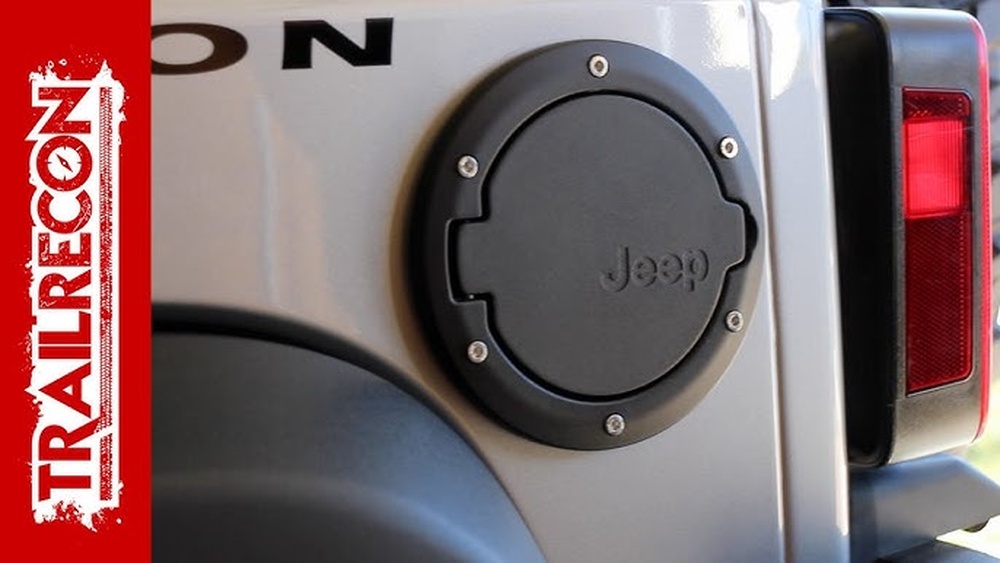
Wrangler Generations
Different generations have slight changes in appearance, but the process remains similar. Here’s a quick comparison:
| Model Year | Fuel Door Location | Release Type |
|---|---|---|
| 2007-2018 (JK) | Driver’s side rear quarter panel | Manual (push to open) |
| 2018-Present (JL) | Driver’s side rear quarter panel | Manual (push to open) |
| 1997-2006 (TJ) | Driver’s side rear quarter panel | Manual (pull open) |
No matter which model you have, you won’t find a release lever inside. This is a design choice for simplicity and durability, especially for off-road use. Jeep’s focus is on making the vehicle tough and ready for adventure. If you’re used to luxury cars, this might feel basic, but it’s intentional.
It also means fewer parts to break and less hassle if you’re out in the wilderness or on a long road trip.
Step-by-step: Opening The Gas Tank
- Park the Jeep and turn off the engine. Safety first. Make sure you’re parked securely, especially if you’re on a slope or uneven ground.
- Locate the fuel filler door on the left rear side. It’s usually marked or easy to spot, even if you’re new to the vehicle.
- Push or pull the door. Most modern Wranglers (JK, JL) require you to push gently on the right edge of the door. Older models (TJ) require a pull. Use your fingers, not tools. If it doesn’t move, check for ice or mud buildup.
- Unscrew the gas cap. Twist counterclockwise. Some caps are tethered to prevent loss. The tether is a small plastic strap that keeps the cap attached to the vehicle.
- Insert the fuel nozzle and refuel. Choose the correct fuel type for your model. Most Wranglers use regular unleaded gas, but check your owner’s manual if you’re unsure.
After fueling, screw the cap back until you hear at least one click. This ensures a tight seal and avoids the check engine light coming on due to vapor leaks. The click is important—don’t ignore it. If your cap is old or the click is faint, consider replacing it to avoid trouble.
Common Mistakes
- Looking for a release lever: There isn’t one. Don’t waste time searching inside.
- Forgetting to click the cap: Not sealing the cap can trigger error codes. It can also allow fuel vapors to escape, which is bad for both your vehicle and the environment.
- Pulling too hard: The door is sturdy but can be damaged if forced. If it’s stuck, check for dirt or ice rather than using extra force.
Some drivers also forget which side the gas tank is on, especially when driving rentals or new cars. Remember, for Wranglers, it’s always on the driver’s side.
Differences Between Jeep Wrangler And Other Vehicles
Jeep Wranglers stand apart from many vehicles. Let’s compare the release systems:
| Vehicle Type | Gas Tank Release | Common Issues |
|---|---|---|
| Jeep Wrangler | Manual push/pull | Confusion, physical force damage |
| Honda Accord | Interior lever/button | Broken release cable |
| Toyota Camry | Interior lever/button | Frozen mechanism |
| Ford F-150 | Manual or electronic | Electronic failure |
The Wrangler’s system is robust and less likely to break, but it’s easy to miss if you’re used to other cars. For example, if you drive a Honda or Toyota, you may expect an interior release, which can break or freeze in cold weather.
With the Wrangler, it’s rare for the fuel door to malfunction unless it’s physically blocked. This makes it more reliable for outdoor adventures or unpredictable climates.
Practical Tips For Jeep Wrangler Owners
- Keep the gas cap clean: Dirt can cause the seal to fail. If you live in a dusty area, clean the cap regularly.
- Check the tether: Losing the gas cap is common. The tether helps prevent this. If your cap isn’t tethered, consider buying an aftermarket one.
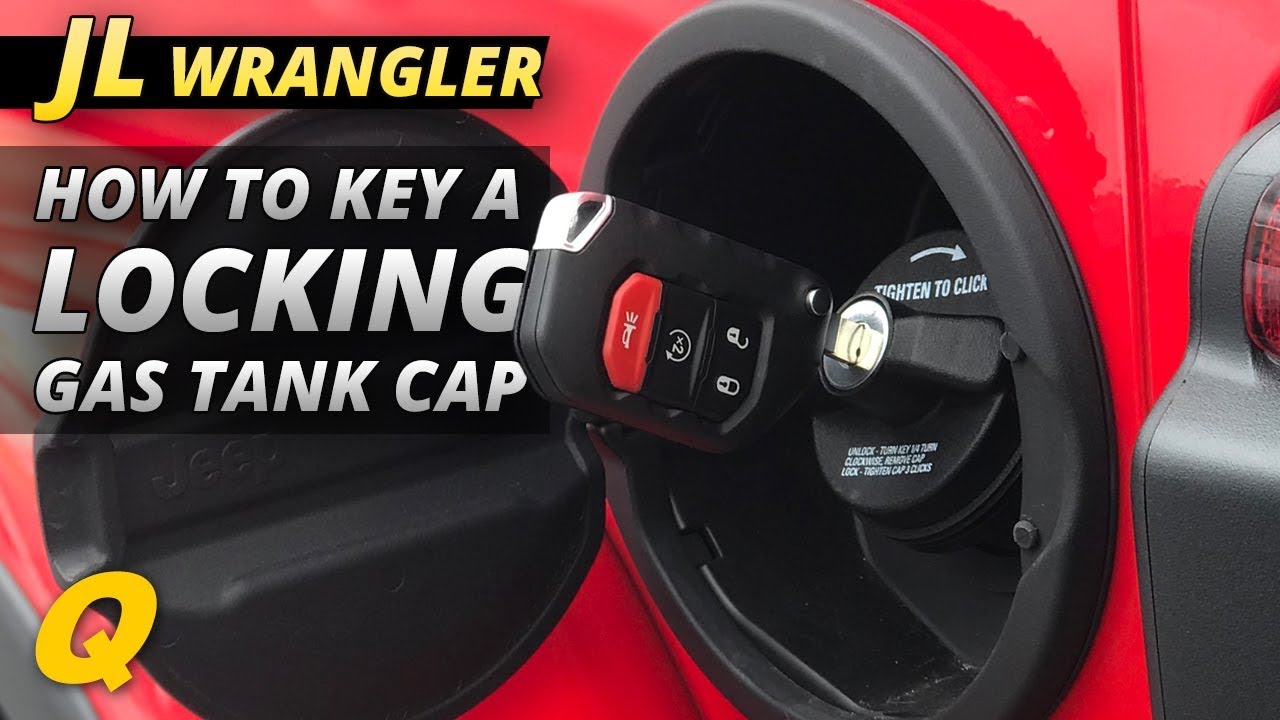
- Know your model: Some aftermarket fuel doors have locks. If yours does, keep the key handy. Forgetting the key can mean waiting for help or not being able to fill up.
- Don’t force the door: If it’s stuck, check for ice or debris first. Sometimes mud or sand can wedge into the hinge during off-road trips.
A non-obvious tip: If you drive in snowy climates, ice can freeze the door shut. Pouring warm water or gently tapping can help, but never pry with tools. Even a plastic tool can crack the paint or damage the hinge.
Another insight: Aftermarket modifications can change the opening method. If you buy a used Wrangler, ask the previous owner about any changes. Some owners install locking doors or unique covers that require a special tool or key.
If you travel often, carry a spare gas cap in your glove box. This is a simple way to avoid trouble if your cap breaks or gets lost on the road.
Troubleshooting: If The Gas Tank Won’t Open
Sometimes, the door may stick. Here’s what to try:
- Check for debris: Mud, sand, or ice can block the hinge. Look closely and clear any visible buildup.
- Lubricate the hinge: Use a silicone spray, not oil, which can attract dirt. Spray lightly and wipe away excess.
- Inspect for damage: If the door is bent, it may not open smoothly. Look for dents or scratches that might interfere.
- Look for aftermarket locks: Some add security, but can be tricky to open. If you have a lock, make sure you know how it works before you need to refuel.
If you need a replacement or technical help, the official Jeep owner’s site offers detailed guides: Jeep Owners. You’ll find videos, manuals, and troubleshooting advice.
Frequently Asked Questions
How Do I Open The Gas Tank On A Jeep Wrangler?
Simply locate the fuel filler door on the driver’s side rear, and push or pull it open. Unscrew the cap and fill. If you’re unsure about your model, check the owner’s manual for a diagram.
Is There A Release Lever Inside The Jeep Wrangler?
No, there is no interior lever or button. The fuel door is always manual.
What Should I Do If The Gas Cap Is Missing?
Buy a replacement cap immediately. Driving without a gas cap can cause fuel loss and check engine warnings. It can also let dirt and moisture into the fuel tank, which can cause bigger problems over time.
Can I Lock The Gas Tank For Security?
Yes, some aftermarket fuel doors offer locks. Make sure you keep the key or combination accessible. If you park in areas where theft is a concern, a locking door is a smart upgrade.
Why Does My Check Engine Light Come On After Fueling?
Usually, this happens because the gas cap isn’t sealed tightly. Remove and retighten until you hear a click. If the light stays on, check the cap for cracks or damage, and consider replacing it.
Getting used to the Jeep Wrangler’s gas tank system takes just a minute. It’s designed for simplicity and reliability, even if it feels unusual at first. Next time you stop for gas, you’ll know exactly what to do and avoid the common mistakes many drivers make.
Whether you’re new to Jeeps or a long-time owner, understanding these basics keeps your fueling experience easy and stress-free. Plus, knowing these details can help you explain the process to friends or family who drive with you. With a Wrangler, filling up is never complicated—just straightforward and dependable.