Removing the back seat from a Jeep Grand Cherokee can seem tough, but it’s actually a straightforward task if you follow the right steps. Whether you want more cargo space, need to clean thoroughly, or plan to do repairs, knowing how to take out the rear seat safely is important. This guide will walk you through the process, explain the tools you need, highlight common mistakes, and offer some practical advice that most beginners overlook.
Why Remove The Back Seat?
People remove their Jeep Grand Cherokee back seat for several reasons:
- To increase cargo room for large items or camping gear.
- To deep clean under the seat, where dirt and debris often hide.
- To access wiring, seat belts, or fuel pump components.
- For custom modifications or repairs.
It’s important to remember that removing the seat is not permanent. You can reinstall it later if needed, and it shouldn’t affect the vehicle’s structure or safety if done correctly.
Tools And Preparation
Before you start, gather these basic tools:
- Socket wrench set (usually 10mm, 13mm, or 15mm sockets)
- Flathead screwdriver
- Torx bit set (for some models)
- Gloves to protect your hands
- Flashlight (for dark areas)
- Ziplock bags or small containers (for bolts and clips)
Check your owner’s manual for seat removal instructions specific to your model year. Jeep Grand Cherokees from 2011 onward (WK2) may have slightly different fasteners than older models.
Common Mistakes
- Not disconnecting the battery when working near electrical parts.
- Losing bolts or clips during removal.
- Forgetting to check for hidden electrical connections under the seat.
Many beginners skip these steps, but following them can save time and prevent damage.
Step-by-step Guide: Removing The Back Seat
Follow these steps to safely take out the rear seat of your Jeep Grand Cherokee.
1. Clear The Area
Move any items from the back seat and floor. Recline the front seats for extra space.
2. Locate Bolts And Clips
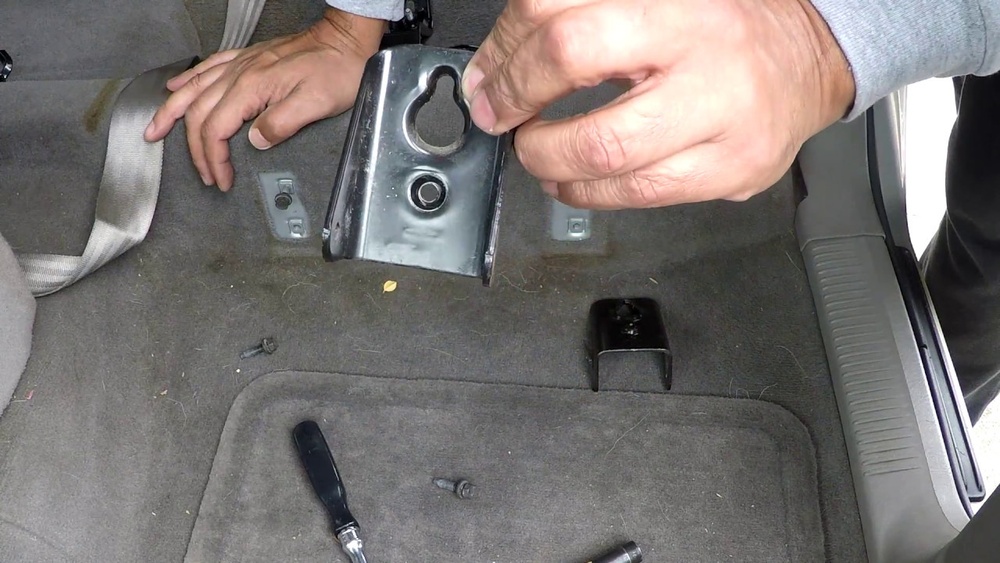
Most Grand Cherokees have four main bolts holding the seat bottom and two or four for the seat back. You’ll find them at the front and rear of the seat base, and sometimes behind plastic covers.
3. Remove The Seat Bottom
- Use a socket wrench to remove the bolts at the front edge of the seat.
- Pull up gently. The seat bottom may have clips—use a flathead screwdriver if needed.
- Lift the seat bottom out of the car.
4. Disconnect Seat Belt Anchors
If the seat belt is attached to the seat, use a socket wrench or Torx bit to remove the anchor bolts. Place bolts in a Ziplock bag.
5. Take Out The Seat Back
- Locate bolts at the base of the seat back.
- Remove bolts with your wrench.
- Tilt the seat back forward and lift it out. Be careful—it’s heavier than the seat bottom.
6. Check For Electrical Connections
Some models have heated seats or sensors. Carefully check for wires and unplug connectors before fully removing the seat.
7. Store Parts Safely
Keep all bolts, clips, and covers in a container. This makes reinstallation easy.
Here’s a comparison of seat removal difficulty for different Jeep Grand Cherokee generations:
| Model Year | Seat Removal Difficulty | Tools Needed |
|---|---|---|
| 1999–2004 (WJ) | Easy | Socket wrench, screwdriver |
| 2005–2010 (WK) | Moderate | Socket wrench, Torx bits |
| 2011–2021 (WK2) | Moderate | Socket wrench, Torx bits, flashlight |
| 2022+ (WL) | Moderate | Socket wrench, Torx bits, gloves |
Practical Tips For Success
- Label bolts and parts with masking tape if you’re worried about confusion later.
- Have a friend help if you find the seat back heavy or awkward.
- Lay out a blanket to protect your car’s interior and the seat during removal.
- If you plan to reinstall, take photos during each step for reference.
Most guides skip the importance of checking for hidden connectors. Many newer Grand Cherokees have wires for seat heaters and airbags—missing these can cause warning lights or system faults.
Cleaning And Maintenance After Removal
Once the seat is out, you can reach areas that are usually hidden. Here’s how to clean under the seat:
- Vacuum thoroughly to remove dirt, coins, and debris.
- Wipe down surfaces with a mild cleaner.
- Check for signs of rust or wear, especially on mounting points.
- Inspect wiring and connectors for damage.
Below is a table comparing cleaning effectiveness with and without seat removal:
| Cleaning Method | Reach | Effectiveness (%) |
|---|---|---|
| Without Seat Removal | Limited | 55 |
| With Seat Removed | Full | 95 |
Reinstalling The Seat
Putting the seat back is the reverse of removal. Make sure:
- All bolts are tight.
- Seat belt anchors are secure.
- Electrical connectors are reattached.
- No parts are left behind.
Take your time, especially with wiring. Loose connectors can cause warning lights or system errors.

Safety Considerations
Removing the back seat does not affect the frame or safety if you keep all bolts and reinstall correctly. However, driving without the rear seat can impact passenger safety and legal requirements in some states.
If your Jeep Grand Cherokee has side airbags or sensors in the seat, consult your owner’s manual or a professional before removing. Incorrect handling can cause airbag faults.
For more technical details and official instructions, you can check the manufacturer’s website: Jeep Official Site.
Frequently Asked Questions
How Long Does It Take To Remove The Back Seat?
Usually, it takes 30–60 minutes for most people. Older models are faster; newer models may take a bit longer due to extra wiring.
Can I Drive Without The Back Seat?
Yes, but it’s best for short trips or when carrying cargo. Make sure all seat belt mounts and electrical connectors are secure.
Will Removing The Seat Void My Warranty?
If you reinstall correctly, it should not affect your warranty. However, always check with your dealer before making changes.
Yes, many newer Grand Cherokees have heated seat wires or airbag sensors. Check carefully and disconnect before removing the seat.
Do I Need Special Tools?
Most seat removals use basic tools like a socket wrench and screwdriver. Some models may require Torx bits or a flashlight for tight spaces.
Taking out the back seat of your Jeep Grand Cherokee is a useful skill, whether for cleaning, repairs, or modifications. With the right tools, careful steps, and attention to hidden connectors, you can complete the job safely and efficiently. If you ever feel unsure, consult your manual or seek help from a professional mechanic.