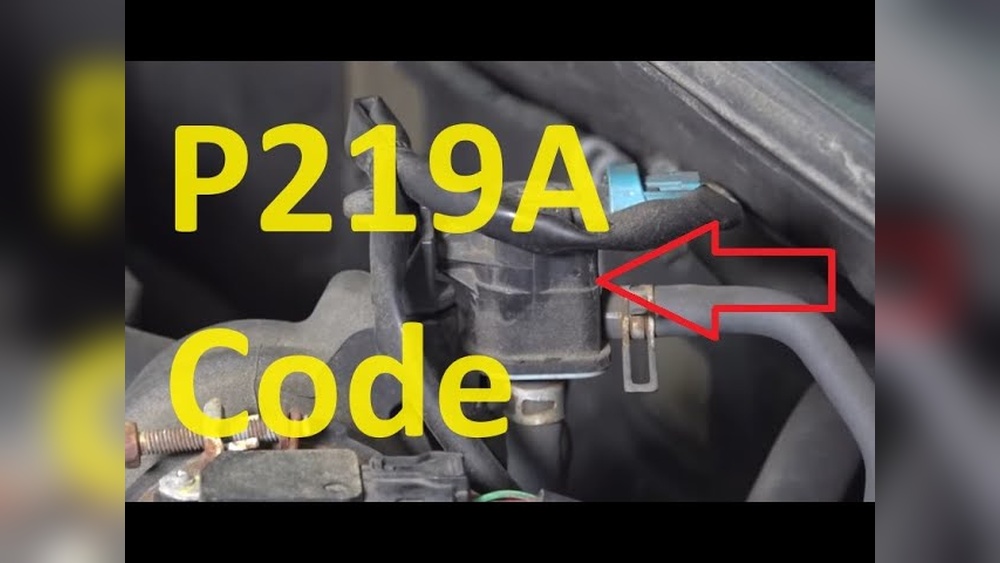
If you drive a Jeep Liberty, you may have seen the “Gas Cap” message pop up on your dashboard. This warning can be confusing, especially if you just filled up your tank and think the cap is on tight. The message means your Jeep’s onboard computer detected a problem with the gas cap or the fuel system. Understanding how to clear this message can save you time, money, and worry. Let’s break down the steps, explain why the message appears, and share tips to avoid common mistakes.
Why Does The Gas Cap Message Appear?
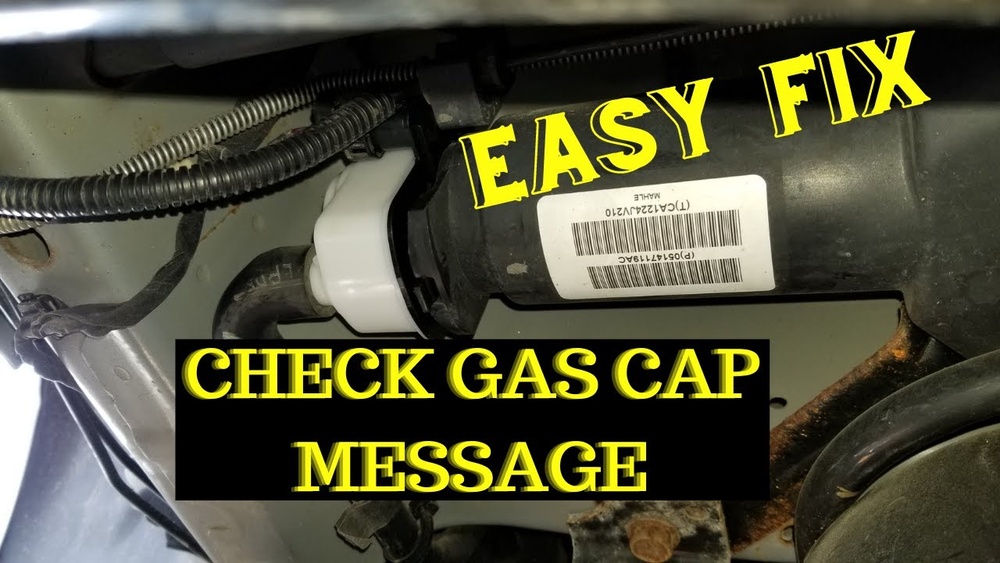
The “Gas Cap” message is triggered when your Jeep Liberty detects a problem with the evaporative emissions system. This system keeps fuel vapors from escaping into the air, which helps protect the environment and improves fuel efficiency. If the gas cap is loose, missing, or damaged, vapors can leak, and your vehicle’s computer will alert you.
A loose gas cap is the most common reason, but sometimes the cap is faulty or there’s an issue with the sensors. Here’s a quick comparison of causes and symptoms:
| Cause | Typical Symptom | Fix Needed |
|---|---|---|
| Loose Gas Cap | Message after refueling | Tighten cap |
| Damaged Cap | Message stays on | Replace cap |
| Sensor Fault | Message reappears often | Inspect sensor |
Step-by-step: Clearing The Gas Cap Message
Clearing the “Gas Cap” message on your Jeep Liberty is usually simple. You don’t need special tools or a mechanic for most cases. Follow these steps:
- Stop your vehicle safely.
- Open the fuel door and check the gas cap.
- Remove the cap and inspect the seal for cracks, dirt, or damage.
- Clean the cap and the area around it with a cloth.
- Reattach the cap, turning it clockwise until you hear several clicks. This ensures it’s tight.
- Start your Jeep and drive for a few miles. The message should disappear after a few cycles.
If the message stays on, here’s a useful troubleshooting table:
| Action | Possible Outcome | Next Step |
|---|---|---|
| Tighten Cap | Message clears | No further action |
| Replace Cap | Message clears | No further action |
| Tighten/Replace Cap | Message stays | Check sensor |
Many drivers overlook these points:
- Ignoring the message: If you keep driving with a loose or faulty cap, your Jeep may show a check engine light. This can mask other engine problems and make future repairs more difficult.
- Buying a cheap replacement: Not all gas caps are equal. Use only OEM (original equipment manufacturer) caps for your Jeep Liberty. Generic caps may not seal properly, causing the message to return.
A non-obvious insight: The gas cap message can sometimes be triggered by temperature changes. If you refuel in cold weather, the seal may contract, causing a temporary leak. Tightening the cap and driving a few miles usually solves this.
Another tip: If the message persists after replacing the cap, check the EVAP system hoses for damage. These small leaks are easy to miss but can cause repeated warnings.
When To See A Mechanic
If the gas cap message won’t clear after you’ve tightened and replaced the cap, and checked for visible hose damage, it’s time to consult a mechanic. Your Jeep’s EVAP system may need professional diagnosis. Mechanics use special tools to test for leaks and scan for error codes.
Here’s a quick comparison of DIY and professional fixes:
| Fix Type | Cost Estimate | Time Required | Success Rate |
|---|---|---|---|
| DIY (tighten cap) | $0 | 5 minutes | High |
| DIY (replace cap) | $10–$30 | 10 minutes | High |
| Mechanic (sensor/EVAP check) | $50–$150 | 1–2 hours | Medium–High |
Preventing The Gas Cap Message
You can avoid most gas cap warnings by following these simple habits:
- Always turn the cap until you hear several clicks.
- Inspect the cap and seal during every oil change.
- Never leave the cap off after refueling.
- Avoid using aftermarket caps unless they are Jeep-approved.
A hidden insight: Some drivers report fewer gas cap messages when they refuel slowly, letting the pump click off naturally instead of overfilling. Overfilling can cause extra pressure, triggering sensors.
Frequently Asked Questions
Why Does The Gas Cap Message Appear After Every Refill?
This usually happens when the cap isn’t tightened properly, or the seal is worn. Make sure to turn the cap until it clicks and check for damage.
Can I Drive With The Gas Cap Message On?
Yes, but it’s not recommended. Driving with the warning can reduce fuel efficiency and may cause the check engine light to activate, hiding other problems.
How Long Does It Take For The Message To Clear?
After tightening or replacing the cap, the message should clear within a few driving cycles (usually 20–30 miles). If it doesn’t, there may be another issue.
Is It Safe To Use A Universal Gas Cap?
Universal caps may not seal as well as Jeep-specific ones. Poor sealing can cause repeated warnings. Always use OEM caps for best results.
Where Can I Find Official Replacement Gas Caps?
You can buy OEM gas caps from Jeep dealers, online shops, or verified parts suppliers. For more details, visit the official Jeep website: Jeep Parts & Accessories.
Clearing the gas cap message on your Jeep Liberty is simple once you know the steps. A secure cap and regular checks can keep your vehicle running smoothly and help you avoid unnecessary trips to the mechanic. If the warning won’t go away, don’t ignore it—get your EVAP system checked.
This small effort can save you money and keep your Jeep in top shape.