Building an RC Jeep is an exciting project for both beginners and hobbyists. It gives you the chance to understand electronics, mechanics, and creativity in one package. Whether you want to create a rugged off-roader or a simple model for fun, making your own RC Jeep can be deeply satisfying. This guide will walk you through all the essentials, from planning to assembly and tips for better performance.
Planning Your Rc Jeep Project
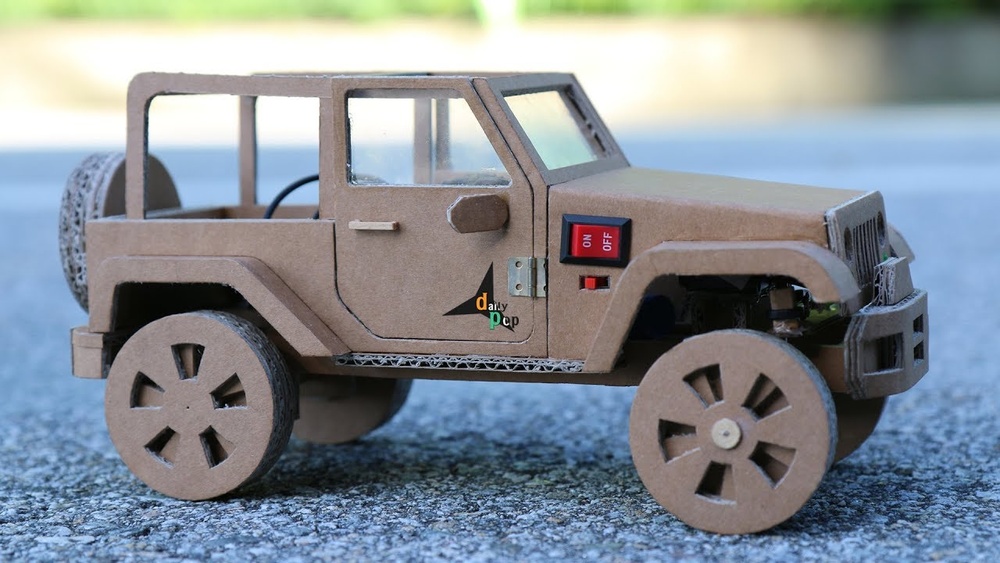
Before buying parts, it’s important to set clear goals. Decide if you want a realistic scale model or a basic off-road vehicle. This will affect your budget, required skills, and the parts you need.
Choosing Your Build Style
- Kit build: Easier, as many parts come included. Good for first-timers.
- Custom build: More freedom to choose parts, but requires more knowledge.
Tip: Beginners often overlook the importance of matching all electronics (motor, ESC, battery). Double-check compatibility before buying.
Key Components And What Matters
Understanding each part is vital. Here are the core elements and what you need to consider:
| Component | Main Function | What to Consider |
|---|---|---|
| Chassis | Base frame for all parts | Material (plastic, metal), size, weight |
| Motor | Powers the wheels | Brushed for beginners, brushless for more speed |
| ESC | Controls motor speed | Must match motor type |
| Servo | Steers the Jeep | Torque rating, speed |
| Battery | Power source | LiPo for more power, NiMH for safety |
| Transmitter/Receiver | Remote control | 2.4GHz for reliable signal |
Fact: A heavier Jeep needs a stronger motor and battery.
Step-by-step Building Guide
Let’s break down the assembly into clear steps. Allow 4 8 hours depending on your experience.
1. Prepare Tools And Workspace
You’ll need:
- Small screwdrivers
- Needle-nose pliers
- Soldering iron (for some kits)
- Hobby knife
- Zip ties
2. Assemble The Chassis
Start by following your kit’s instructions or design. Attach the suspension, axles, and shock absorbers. For a custom build, make sure everything aligns and is secure. Avoid overtightening screws; plastic parts can crack easily.
3. Mount The Motor And Drivetrain
Install the motor, making sure the gear mesh is correct. Poor alignment can cause noise and damage. Connect the driveshafts to the axles. Beginners often forget to lubricate moving parts—this reduces wear and noise.
4. Install The Steering System
Attach the servo to the chassis. Link it to the steering mechanism. Secure all wires so they don’t catch in moving parts.
5. Connect Electronics
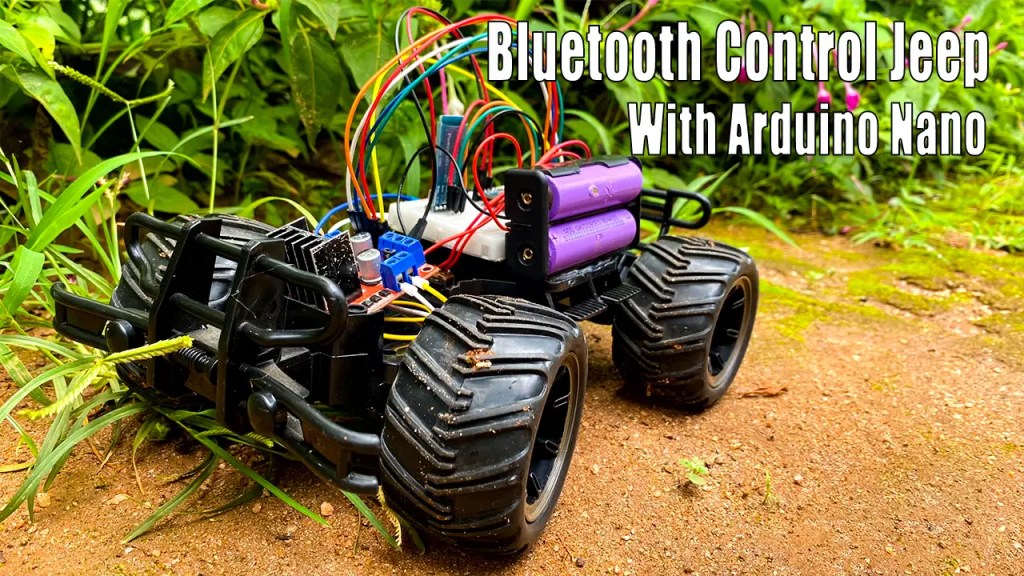
- Mount the ESC, receiver, and battery securely.
- Route wires cleanly to prevent tangling.
- Bind the receiver to your transmitter according to instructions.
Pro tip: Use Velcro or zip ties for batteries. It makes swapping easier and safer.
6. Add The Body And Wheels
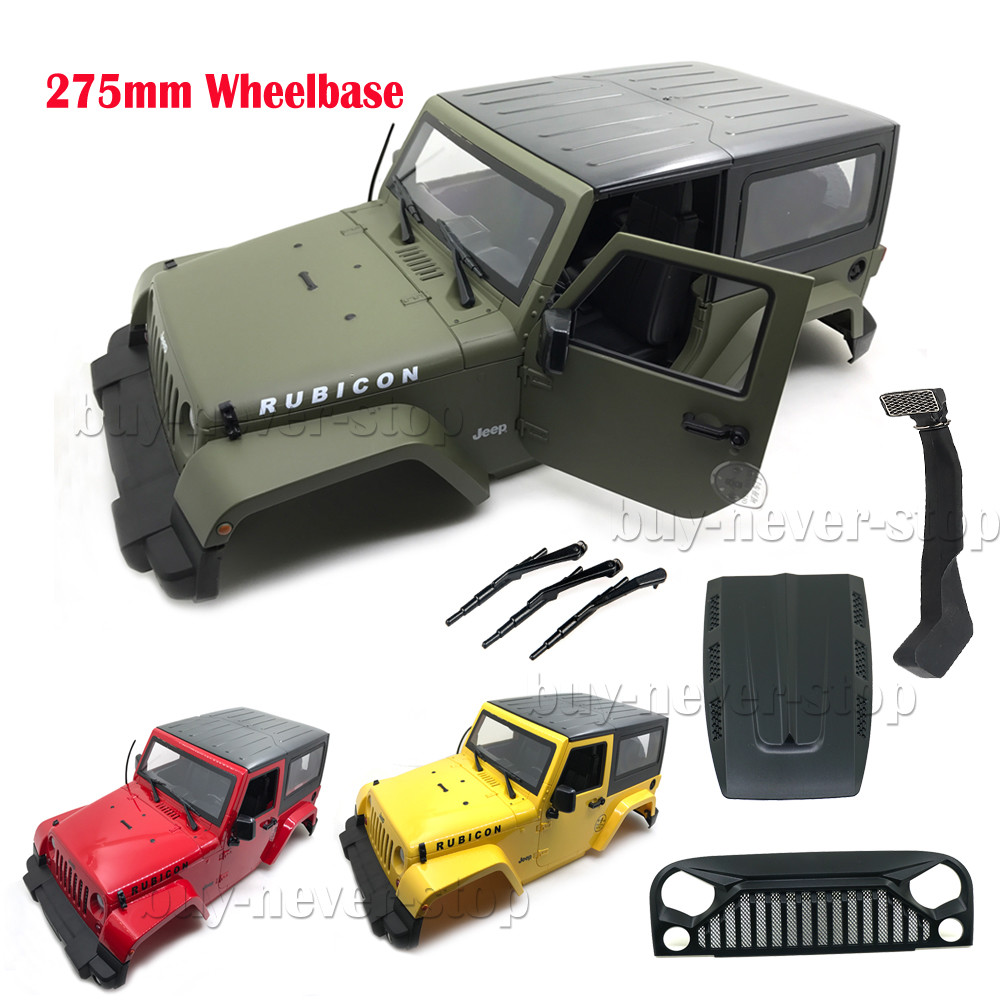
Fit the Jeep body onto the chassis. Attach wheels, making sure they spin freely.
Test the suspension by pressing down gently; it should bounce back smoothly.
Rc Jeep Performance And Comparison
Choosing the right setup affects performance. Here’s a quick comparison of two common configurations:
| Feature | Entry-Level Build | Advanced Build |
|---|---|---|
| Motor Type | Brushed | Brushless |
| Battery | NiMH | LiPo |
| Top Speed | 10–15 mph | 20–30 mph |
| Run Time | 20–30 min | 15–25 min |
| Cost (approx.) | $100–$150 | $200–$400 |
Painting And Customization
Customizing your RC Jeep makes it unique. Use polycarbonate-safe spray paints if your body is plastic. Mask windows and details before painting. Decals add personality and are easy to apply.
If you want scale realism, add accessories like roof racks, LED lights, or even a spare tire.
Troubleshooting Common Problems
Many builders face issues at first. Here’s how to handle the most common ones:
| Problem | Possible Cause | Solution |
|---|---|---|
| Wheels not turning | Servo issue or loose linkage | Check connections and retighten |
| No power | Uncharged battery or bad wiring | Charge battery, inspect wires |
| Short run time | Weak battery or high resistance | Upgrade battery, check for friction |
| Glitchy controls | Interference or low receiver battery | Rebind, replace receiver battery |
Hidden insight: Many first-timers forget to waterproof electronics. If you plan to drive in wet conditions, use waterproof ESCs and servos or cover parts with silicone.
Safety Tips
- Charge batteries on a fireproof surface
- Never leave charging batteries unattended
- Test controls with wheels off the ground to prevent accidents
- Keep fingers clear of moving gears and motors
Upgrades And Next Steps
Once your RC Jeep is running, you might want to upgrade parts for better performance. Popular upgrades include:
- Metal gears for durability
- High-torque servo for better steering
- Aluminum shocks for smoother rides
- Bigger tires for more ground clearance
For more advanced builds, look into 4-wheel steering or programmable ESCs.
Frequently Asked Questions
How Long Does It Take To Build An Rc Jeep?
Most beginners finish in 4–8 hours, including painting and setup. Custom builds may take longer, especially if you need to modify parts.
What Is The Best Motor For An Rc Jeep?
A brushed motor is great for new builders because it’s simple and affordable. If you want more speed and efficiency, a brushless motor is better but needs a compatible ESC.
Can I Use Any Battery For My Rc Jeep?
No. Batteries must match your motor and ESC. LiPo batteries offer more power but require careful charging. NiMH batteries are safer and easier for beginners.
What’s The Average Cost To Build An Rc Jeep?
Basic kits start at $100–$150. Custom or advanced builds with brushless systems and metal parts can reach $400 or more.
Where Can I Find More Info On Rc Jeep Building?
Check forums and official hobby sites. A great resource is the Wikipedia page on RC cars for in-depth technical information.
Building your own RC Jeep isn’t just about having a cool model it’s about learning, experimenting, and enjoying the process.
With patience and careful planning, you’ll soon have a Jeep that’s ready to tackle any backyard trail or living room obstacle course.