Drifting a Jeep might sound unusual, but it’s possible with the right technique and conditions. Most people think drifting is only for sports cars, but Jeeps can drift too, especially models with rear-wheel drive or four-wheel drive.
If you’re curious about how to drift a Jeep safely and effectively, this guide will walk you through everything you need to know from preparation to step-by-step instructions and safety tips.
Whether you want to have fun on a closed track or just understand the basics, you’ll find clear answers here.
Understanding Jeep Drifting
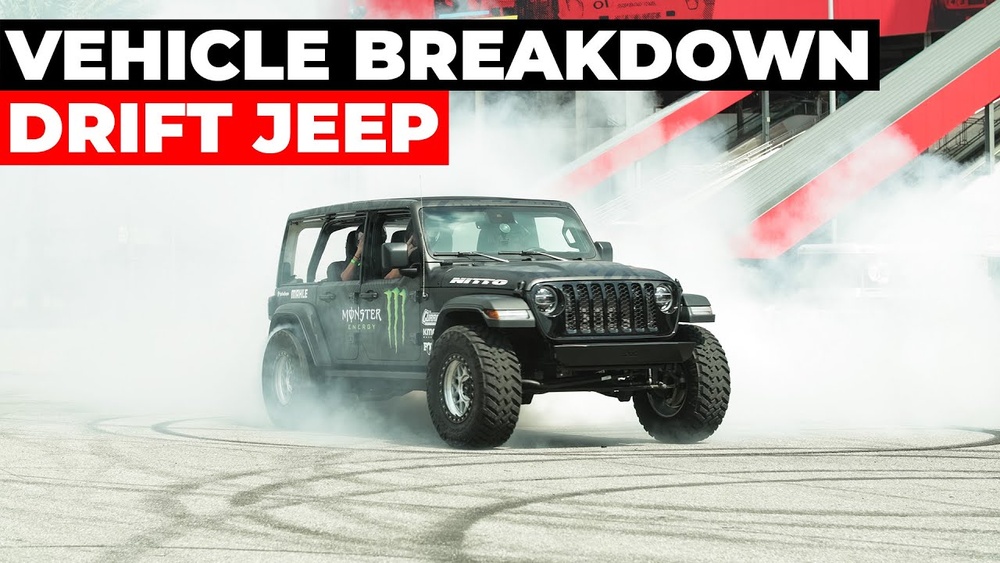
Drifting is when a vehicle slides sideways, usually by oversteering, while maintaining control. Jeeps are heavier and taller than typical drift cars, so drifting them needs a different approach. Most Jeep models are four-wheel drive (4WD), which can make drifting harder, but some, like the Jeep Wrangler or Jeep Cherokee, have rear-wheel drive modes.
To drift a Jeep, you need:
- Loose surface (gravel, sand, snow, or mud) for easier sliding
- Rear-wheel drive mode (if possible)
- Low tire pressure for more grip and control
Remember, drifting on public roads is dangerous and illegal. Always use a closed course or off-road area.
Preparing Your Jeep For Drifting
Getting your Jeep ready is crucial. Here’s what you need to check:
- Tires: Use tires with good tread. Off-road tires are best for drifting on loose surfaces.
- Suspension: Jeeps often have soft suspension. Make sure it’s not too worn out, as this affects control.
- Safety Gear: Always wear a seatbelt. Consider a helmet for extra protection.
- Driving Mode: Switch to rear-wheel drive or disengage 4WD if possible. Some Jeeps allow this with a simple lever or button.
- Check Fluids: Make sure your Jeep has enough oil, brake fluid, and coolant.
Here’s a quick comparison of Jeep models and their drifting suitability:
| Jeep Model | Drivetrain | Best Surface | Drifting Difficulty |
|---|---|---|---|
| Wrangler | 4WD/RWD | Gravel, Mud | Medium |
| Cherokee | AWD/RWD | Snow, Sand | Easy |
| Grand Cherokee | AWD | Snow | Hard |
Step-by-step: How To Drift A Jeep
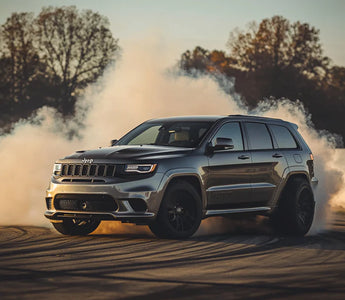
Drifting a Jeep is not the same as drifting a sports car. Follow these steps for the best results:
1. Find The Right Place
Choose a wide, open area with a loose surface. Avoid paved roads drifting here can damage your tires and Jeep.
2. Set Up Your Jeep
Switch to rear-wheel drive. Lower tire pressure by 5-10 PSI for better grip.
Turn off traction control if your Jeep has it.
3. Build Speed
Drive at 20-30 mph. Too slow, and you won’t drift. Too fast, and you may lose control.
4. Initiate The Drift
Turn the steering wheel sharply while tapping the brakes. At the same time, throttle up to cause the rear wheels to lose traction.
5. Control The Slide
Counter-steer turn the wheel in the opposite direction of the slide to keep your Jeep from spinning out. Balance the throttle to maintain the drift.
6. Exit The Drift
Ease off the throttle and straighten the wheel as the Jeep regains traction.
Here’s a table comparing drifting techniques for Jeeps vs. sports cars:
| Vehicle Type | Initiation Method | Surface | Control Techniques |
|---|---|---|---|
| Jeep | Brake tap, sharp turn | Gravel, mud, snow | Counter-steer, throttle balance |
| Sports Car | Clutch kick, power slide | Asphalt | Counter-steer, throttle control |
Safety Tips And Common Mistakes
Drifting is risky, especially with a heavy vehicle like a Jeep. Here’s how to stay safe:
- Never drift on public roads.
- Keep away from obstacles, trees, and people.
- Start slow and increase speed as you gain confidence.
- Don’t hold the drift too long—Jeeps can roll over if pushed too far.
- Check your Jeep after each drift for damage.
Common mistakes to avoid:
- Using high tire pressure—makes drifting harder
- Forgetting to turn off traction control
- Not counter-steering soon enough
- Drifting on pavement—damages tires and suspension
Many beginners miss that Jeep drifting works best on soft surfaces like mud or snow, not on dry pavement. Also, tire pressure makes a big difference: even a small change can improve control.
Improving Your Drifting Skills
Practice is key. Try these tips:
- Film yourself and review your technique.
- Join Jeep clubs or off-road groups for advice.
- Attend off-road events with safe drifting zones.
Some Jeep owners add upgrades like limited-slip differentials or performance shocks. These can help, but they’re not required for basic drifting.
For more advanced drifting, research techniques and safety at Wikipedia.
Frequently Asked Questions
Can All Jeeps Drift?
No, not all Jeeps can drift easily. Models with rear-wheel drive or selectable 4WD are best. Full-time AWD Jeeps are harder to drift.
Is Drifting A Jeep Dangerous?
Yes, drifting is risky. Jeeps are tall and heavy, so there’s a bigger chance of rolling over.
Always drift on closed courses and wear safety gear.
What Surfaces Are Best For Drifting A Jeep?
Loose surfaces like gravel, mud, sand, or snow are ideal. Avoid drifting on asphalt or concrete.
Do I Need Special Tires To Drift A Jeep?
Off-road tires work best, but you don’t need special drift tires. Just make sure your tires have good tread and lower the pressure slightly.
How Do I Avoid Damaging My Jeep When Drifting?
Drift only on soft surfaces, keep tire pressure low, and inspect your Jeep after each session. Avoid drifting for too long or at high speeds.
Drifting a Jeep is exciting but demands respect for safety and technique. With practice, you’ll learn how to control the slide and enjoy the adventure.
Always use the right location, check your equipment, and never push your Jeep too hard.
Stay safe and have fun exploring the unique world of Jeep drifting.