Owning a Jeep Wrangler means you’re ready for adventure. But sometimes, new drivers wonder how to properly use the 4X4 system. If you don’t engage it the right way, you may risk damaging your vehicle or getting stuck. Understanding how to use the 4X4 modes gives you more control and confidence, whether you’re facing mud, snow, rocks, or sand. This guide explains how to engage the 4X4 system in a Jeep Wrangler, with clear steps for each mode and practical tips to avoid common mistakes.
Understanding Jeep Wrangler 4×4 Modes
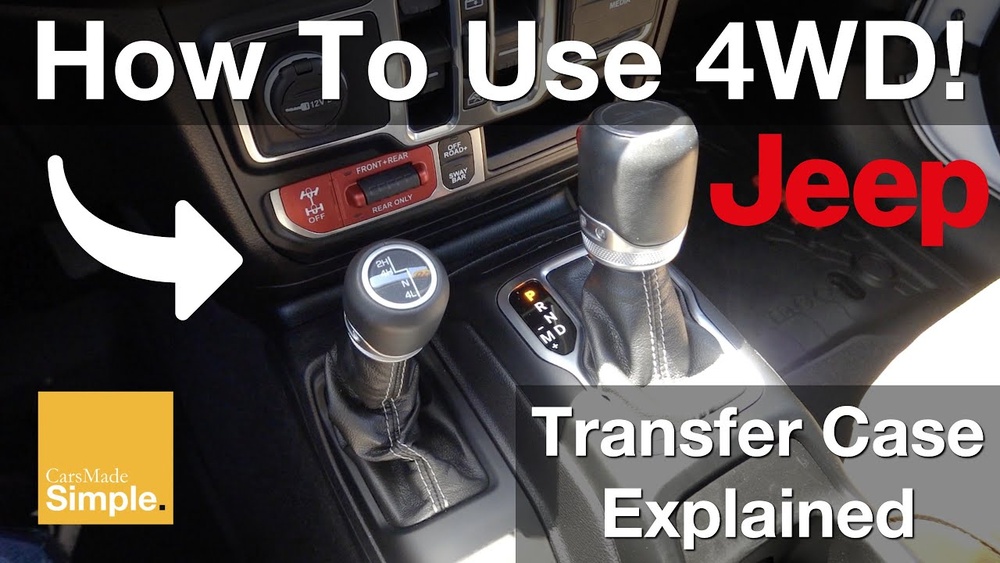
Most Jeep Wranglers come with four main 4X4 options:
- 2H (Two-Wheel Drive High)
- 4H (Four-Wheel Drive High)
- 4L (Four-Wheel Drive Low)
- Neutral
Each mode has a specific purpose. Choosing the right one can make your drive smoother and safer.
2h (two-wheel Drive High)
2H is the default mode for regular driving. Only the rear wheels get power. Use 2H for dry pavement, highways, and city streets. It delivers better fuel efficiency and quieter operation.
4h (four-wheel Drive High)
4H sends power to all four wheels. This mode is best for slippery conditions like snow, sand, light mud, or gravel. It improves traction without reducing speed much.
4l (four-wheel Drive Low)
4L is for extreme off-road situations: deep mud, steep hills, rocks, or water crossings. It multiplies torque, giving you extra power at low speeds. Only use 4L below 25 mph.
Neutral
Neutral disconnects the drivetrain. It’s mainly used for towing or when your Jeep needs to be moved without the engine running.
How To Engage Each 4×4 Mode
Engaging the 4X4 system in a Jeep Wrangler is simple, but there are steps you must follow for each mode to protect your vehicle.
Engaging 2h
You don’t need to do anything special—Wrangler starts in 2H. If you’re switching from 4H or 4L, simply move the transfer lever back to 2H while stopped or moving slowly. You’ll feel a light click.
Engaging 4h
To switch from 2H to 4H, follow these steps:
- Slow down to under 55 mph.
- While driving straight, gently pull the transfer lever from 2H to 4H.
- You’ll hear a soft click and see the 4H indicator on the dashboard.
You can shift between 2H and 4H “on the fly”—no need to stop. However, avoid sharp turns while shifting.
Engaging 4l
Switching to 4L requires more care:
- Bring your Jeep to a complete stop.
- Set the transmission to neutral.
- Firmly pull the transfer lever from 4H to 4L.
- Wait for the 4L light to appear.
This engages the low-range gears. Never shift to 4L while moving or at high speeds. Doing so can damage the gears.
Engaging Neutral
To use neutral:
- Stop your Jeep.
- Put the transmission in neutral.
- Move the transfer lever to neutral.
- Confirm the neutral indicator on the dashboard.
Only use neutral if you need to tow your Jeep. Driving in neutral is not safe.

Real-world Examples
Imagine you’re driving up a snowy mountain. Starting in 2H feels slippery, so you shift to 4H for better grip. If you hit deep snow or mud, stop and shift to 4L. For towing, you’d set both transmission and transfer case to neutral.
Comparison Of Modes And Their Uses
Here’s a quick table to help you decide which mode fits your driving conditions:
| Mode | Best Use | Speed Limit | Fuel Efficiency |
|---|---|---|---|
| 2H | Dry roads | Any speed | Best |
| 4H | Snow, sand, light mud | <55 mph | Good |
| 4L | Deep mud, rocks, steep hills | <25 mph | Poor |
| Neutral | Towing | 0 mph | N/A |
Common Mistakes To Avoid
Many beginners make mistakes when using the 4X4 system:
- Shifting to 4L while driving fast.
- Using 4H or 4L on dry pavement (can cause binding and wear).
- Forgetting to return to 2H after off-roading.
- Not checking if the indicator lights confirm the mode change.
One non-obvious tip: Always drive straight when shifting modes. Turning the wheels adds stress to the drivetrain and can make shifting harder.

Maintenance And Troubleshooting
Keep your 4X4 system working smoothly by:
- Using the right mode at the right time.
- Listening for unusual noises after shifting.
- Checking transfer case fluid every 30,000 miles.
- Inspecting the transfer lever for smooth operation.
If shifting feels rough or you hear grinding, stop and recheck the process. Sometimes, gently rolling the vehicle helps the gears mesh.
4×4 System Maintenance Costs
Here’s a table showing typical maintenance costs for Jeep Wrangler 4X4 systems:
| Service | Average Cost (USD) | Frequency |
|---|---|---|
| Transfer case fluid change | $80-$120 | Every 30,000 miles |
| Drivetrain inspection | $60-$100 | Annually |
| Complete 4X4 system check | $150-$250 | Every 60,000 miles |
Practical Tips For Smooth Engagement
- Shift gently and don’t force the lever.
- Always check dashboard indicators.
- Practice shifting modes in a safe, open area.
- If unsure, consult your owner’s manual or ask a Jeep dealer.
A common beginner mistake is forgetting to put the transmission in neutral when shifting to 4L or neutral. Double-check every time.

Frequently Asked Questions
How Do I Know If My Jeep Wrangler Is In 4×4 Mode?
Check the dashboard indicator. When you shift to 4H or 4L, a light shows which mode is active. If the light doesn’t appear, try shifting again.
Can I Drive In 4h All The Time?
No. 4H is for slippery surfaces. Using it on dry pavement can cause drivetrain binding and wear out parts faster.
What Happens If I Shift To 4l While Moving?
Shifting to 4L at high speed can damage the transfer case. Always stop, set transmission to neutral, and shift carefully.
Is It Safe To Tow My Jeep Wrangler In Neutral?
Yes, but only when both transmission and transfer case are in neutral. Follow manufacturer instructions to avoid damage.
Where Can I Learn More About Jeep Wrangler 4×4 Systems?
Visit the official Jeep site: Jeep Wrangler Official Site for detailed guides and videos.
Engaging the 4X4 Jeep Wrangler system is easy once you know how. With practice, you’ll switch modes confidently and keep your Jeep running strong for years of adventure.