Many Jeep Wrangler owners love the adventure and freedom of off-roading, but few things impact the ride more than worn-out shocks. Good shocks keep your Wrangler stable on rough roads and comfortable on highways. If your Jeep feels bouncy, makes clunking noises, or doesn’t handle bumps well, it may be time to replace the shocks. The process is easier than most people think, and you can do it at home with basic tools, saving money and learning more about your vehicle.
Why Replacing Shocks Matters
Shocks (shock absorbers) are essential for safety and comfort. They control the up-and-down movement of your wheels, keeping your tires in contact with the road. Worn shocks can cause:
- Longer stopping distances
- Uneven tire wear
- Poor handling
- Noisy, uncomfortable ride
A study by the National Highway Traffic Safety Administration found that worn shocks can increase stopping distance by up to 20%. For off-road drivers, bad shocks mean less control over rocky trails and more stress on other suspension parts.
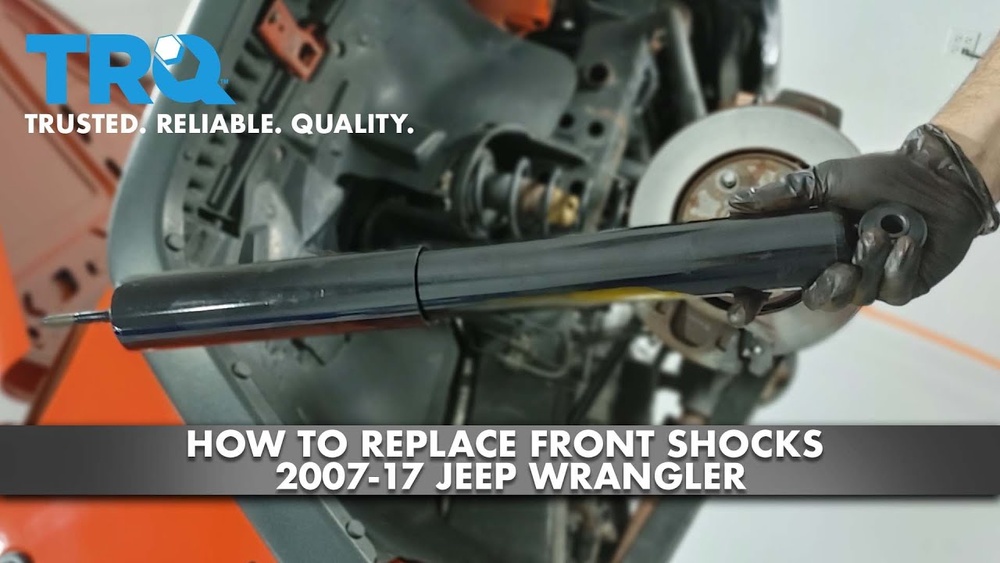
Tools And Parts You’ll Need
Before starting, gather these items:
- New shocks (4 total for front and rear; check your Jeep’s year/model for correct fit)
- Socket wrench set
- Jack and jack stands
- Penetrating oil (like WD-40)
- Torque wrench
- Safety glasses and gloves
Some models may require a breaker bar for stuck bolts. Always work on a flat surface and secure your Jeep with jack stands.
Step-by-step Guide To Replacing Shocks
1. Prepare The Jeep
Park on a flat surface. Put the Jeep in gear (or park) and set the parking brake. Loosen the lug nuts of the wheels if you need extra access but do not remove them yet.
2. Lift And Secure The Vehicle
Use a jack to lift the corner you’re working on, then place a jack stand under the frame. Never work under a vehicle supported only by a jack.
3. Remove The Old Shock
Spray penetrating oil on the bolts. Wait a few minutes. Using your socket wrench, remove the lower and upper mounting bolts. Pull out the old shock. If it sticks, gently tap it with a rubber mallet.
4. Install The New Shock
Insert the new shock into place. Hand-tighten the upper and lower bolts first. Then, use a torque wrench to tighten them to the manufacturer’s specification (often around 45–70 ft-lbs for Wranglers, but check your manual).
5. Repeat For All Shocks
Repeat the steps for each wheel. Many owners start with the front shocks for easier access.
6. Lower The Jeep And Test
Remove the jack stands and lower the Jeep. Tighten lug nuts if you removed the wheels. Take a short test drive, listening for noises and checking ride quality.
Front Vs. Rear Shocks: What’s Different?
Front and rear shocks are similar in function but may differ in size or mounting style. Here’s a quick comparison:
| Feature | Front Shocks | Rear Shocks |
|---|---|---|
| Mounting Position | Vertical, inside wheel well | Angled, near rear axle |
| Ease of Access | Usually easier | Can be harder due to exhaust/tank |
| Common Bolt Sizes | 13mm–18mm | 15mm–19mm |
Always buy shocks designed for your Jeep’s model year and suspension setup (stock or lifted).
Choosing The Right Shocks For Your Wrangler
Not all shocks are equal. Choosing the wrong type can reduce comfort and safety. Here’s a comparison of common options:
| Shock Type | Best For | Price Range (set of 4) |
|---|---|---|
| Twin-Tube | Daily driving, light trails | $100–$250 |
| Monotube | Off-roading, heavy loads | $250–$500 |
| Reservoir | Extreme off-road | $400–$900 |
For most drivers, twin-tube or monotube shocks work well. If you often tow, carry heavy gear, or drive rough trails, consider monotube or even reservoir types.
Common Mistakes And Tips
Many beginners overlook these important details:
- Not using a torque wrench: Overtightening or undertightening bolts can cause future problems.
- Skipping penetrating oil: Rusty bolts break easily. Spray first and give it time.
- Mixing old and new shocks: Always replace shocks in pairs (both front or both rear) or all four for best performance.
- Ignoring ride height: If your Jeep has a lift kit, buy shocks for lifted vehicles, not stock ones.
- Reusing old hardware: New shocks often come with fresh bushings and bolts—use them for a secure fit.
A helpful extra: After installing new shocks, get a wheel alignment if your Jeep feels off-center or pulls to one side.

How Long Does It Take?
Experienced DIYers can replace all four shocks in about 2–3 hours. Beginners may need up to 4 hours, especially if bolts are rusty. Take your time and don’t rush.
Signs You Need New Shocks
Sometimes it’s hard to know when to replace shocks. Watch for:
- Bouncing after bumps
- Fluid leaking from shocks
- Nose diving when braking
- Excessive body roll when turning
- Tires wearing unevenly
If you notice any of these, inspect your shocks soon.

Frequently Asked Questions
How Often Should I Replace Shocks On My Jeep Wrangler?
Most experts recommend every 50,000–70,000 miles for normal driving. Off-road use may require more frequent replacement.
Can I Replace Shocks Myself Without Special Skills?
Yes, most owners can do this at home with basic tools. If you’re unsure, watch online tutorials or ask a friend with experience for help.
Do I Need To Replace Springs When Replacing Shocks?
Not always. Replace springs if they’re sagging or damaged. Otherwise, you can reuse them.
Is An Alignment Needed After Installing New Shocks?
Usually not, but if you also replace suspension parts or notice steering changes, a wheel alignment is wise.
What Are The Best Shock Brands For Jeep Wrangler?
Top brands include Bilstein, Fox, and Rancho. Choose based on your driving style and budget. You can find more details on the Jeep Wrangler Wikipedia page.
Replacing shocks on your Jeep Wrangler takes some time and patience, but it’s one of the most satisfying DIY jobs you can do. With the right tools, careful steps, and a little attention to detail, you’ll restore your Jeep’s ride and handling.
Whether you’re planning a cross-country trip or just want a smoother daily drive, good shocks make a big difference. Enjoy the road ahead—your Wrangler will thank you.