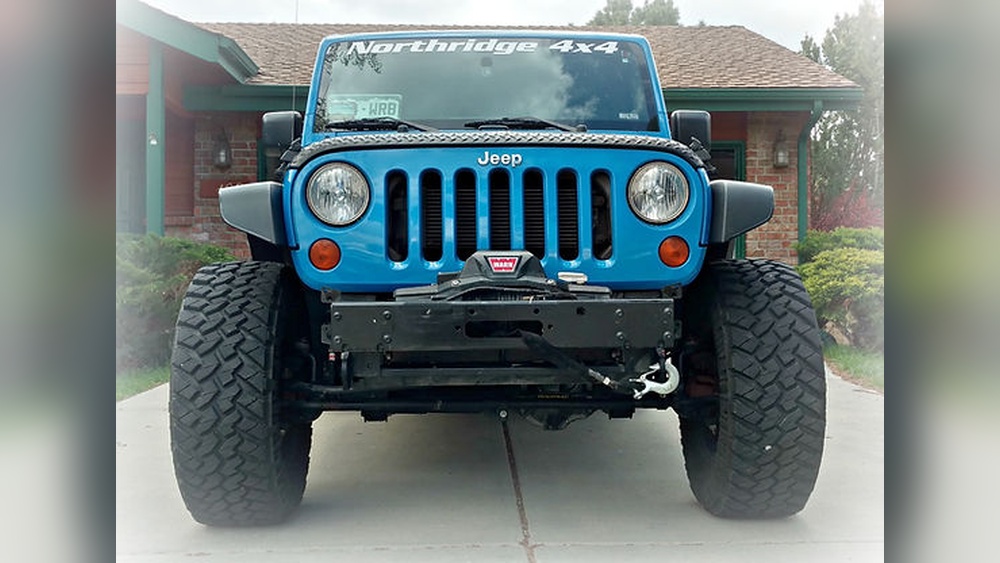
Cutting Jeep JK fender flares is a popular way to give your Wrangler a more aggressive look and allow for bigger tires. It’s a DIY project that can save money and improve your vehicle’s off-road performance. Many Jeep owners are nervous about making cuts, but with the right approach, it’s a project you can handle at home.
Why Cut Jeep Jk Fender Flares?
Factory fender flares on a Jeep JK are wide and limit tire clearance. Off-roaders often find that larger tires rub against stock flares during articulation. Cutting the flares offers several benefits:
- Increased tire clearance for off-roading
- A custom, rugged appearance
- Cost savings versus buying aftermarket high-clearance flares
However, once you cut, there’s no going back. Take your time and measure carefully before starting.
Tools And Materials Needed
Cutting fender flares requires a few basic tools. Here’s what you’ll need:
- Measuring tape – For marking your cut line
- Painter’s tape – To create a guide and protect paint
- Marker or grease pencil – To draw the cut line
- Jigsaw with fine-tooth blade or Dremel tool
- Utility knife – For trimming edges
- Sandpaper (180-220 grit) – To smooth rough edges
- Safety glasses and gloves
Optional: Plastic trim edge molding for a clean finish.
Planning Your Cut
Before making any cuts, decide how much of the fender you want to remove. Most Jeep owners choose to cut just below the factory line, about 1-2 inches above the mounting bolts. This keeps enough structure for strength but opens up the wheel well.
Take these steps:
- Park on a flat surface and turn your wheels for easy access.
- Clean the fender flares to remove dirt.
- Use painter’s tape to mark your cut line. Place it smoothly to avoid jagged cuts.
- Double-check measurements on both sides for symmetry.
A common beginner mistake is not checking both sides for evenness. Always measure from the same reference points on each flare.
Step-by-step Cutting Process
1. Remove Fender Flares (optional)
You can cut flares while mounted, but removing them provides more control and safety. Use a socket wrench to remove bolts and gently pull the flare free.
2. Draw The Cut Line
Use a marker to trace along the edge of your painter’s tape. A visible line helps you stay accurate while cutting.
3. Make The Cut
Put on safety gear. Begin with a jigsaw or Dremel at one end, following the line slowly. Keep the tool steady and let the blade do the work—forcing the cut causes jagged edges.
4. Trim And Smooth Edges
Use a utility knife to shave off any plastic burrs. Follow up with sandpaper until the edge feels smooth.
5. Reinstall Fender Flares
If you removed them, reinstall using the factory bolts. Check that everything fits snugly.
6. Finish The Edge (optional)
For a factory look, install plastic edge trim over the cut section. This also prevents cuts from sharp edges.
Here’s a quick comparison of tools and their pros and cons:
| Tool | Pros | Cons |
|---|---|---|
| Jigsaw | Fast, straight cuts | Can melt plastic if too fast |
| Dremel | Precise for curves | Slower, can clog with plastic |
| Utility knife | Good for fine trimming | Not for long cuts |
Tips For A Professional Finish
- Take your time. Rushing leads to mistakes.
- Use new blades for cleaner cuts.
- Sand thoroughly. Smooth edges look better and won’t cut your hands.
- If you want a blacked-out look, use trim edge molding or bedliner spray to cover cut edges.
Some Jeepers skip edge finishing, but this can leave the flare looking rough and unfinished, and might even lead to cracks over time.
Common Mistakes To Avoid
- Cutting too much: Start with less—you can always trim more.
- Not securing the flare: Movement while cutting causes mistakes.
- Uneven lines: Always measure twice, cut once.
- Skipping safety gear: Plastic shards can injure your eyes or hands.
Here’s a quick look at some before-and-after stats:
| Before Cutting | After Cutting |
|---|---|
| 33” max tire size with no rub | 35”+ tires with no rub |
| Stock look | Custom, aggressive stance |
| Factory edge | Smooth or trimmed edge |

Is Cutting Fender Flares Right For You?
This DIY mod is best for those who want more clearance but don’t want to spend hundreds on aftermarket flares. If you lease your Jeep, or want to return it to stock, cutting is not recommended. Also, check your local laws—some areas require tires to be fully covered by flares.
Real-world Example
A Jeep JK owner installed 35” tires after trimming his fender flares. He reported zero rubbing on trails and saved over $300 compared to buying new flares. The project took about 2 hours with basic tools.

Aftercare And Maintenance
- Wash trimmed flares regularly to prevent buildup in rough edges.
- Inspect the cut area every few months for cracks.
- Reapply edge trim if it comes loose.
- Consider a UV protectant spray to prevent fading.
Frequently Asked Questions
How Long Does It Take To Cut Jeep Jk Fender Flares?
Most DIYers finish in 1-2 hours, including removal, cutting, and reinstalling. Extra time may be needed for edge finishing.
Will Cutting My Flares Affect My Jeep’s Warranty?
Cutting flares may impact your warranty, especially if damage is related to bodywork or rust. Check with your dealer before starting.
Can I Return To Stock Fender Flares After Cutting?
No. Once you cut the factory flares, you can’t restore them. To return to stock, you’ll need to buy new or used replacements.
What’s The Best Tool For Cutting Fender Flares?
A jigsaw with a fine-tooth blade is most popular for straight cuts. For curves or detailed work, a Dremel tool is better.
Are There Legal Issues With Trimmed Fender Flares?
Some states require fender flares to cover the entire tire tread. Check local laws before cutting, especially if you drive on public roads.
For more details on off-road vehicle modifications, you can visit the Jeep Wrangler Wikipedia page.
With careful planning and patience, cutting your Jeep JK fender flares can be a rewarding way to enhance your vehicle’s look and performance. Always measure twice, cut once, and enjoy your custom Jeep build.