If you drive a Jeep, you know how important it is to keep your vehicle running smoothly—especially if you love off-roading or long road trips. One key part of Jeep maintenance is checking the transmission fluid. This fluid keeps the transmission cool and helps gears shift properly. If the fluid gets too low or dirty, your Jeep could start having serious problems like slipping gears or overheating. Many Jeep owners forget this simple step until they notice a problem. Learning to check your Jeep’s transmission fluid yourself can save you time, money, and stress.
Why Transmission Fluid Matters
The transmission in your Jeep is a complex system with many moving parts. The fluid acts as both a lubricant and coolant. If the fluid is old or too low, you might notice delayed shifting, rough gear changes, or even warning lights on your dashboard.
On average, a Jeep transmission rebuild can cost between $1,800 and $3,400, according to repair industry data. Checking the fluid regularly helps avoid this expensive repair. For most Jeeps, it’s smart to check the fluid every 30,000 to 60,000 miles, though you should follow your owner’s manual.
Tools And Preparation
Before you begin, make sure you have:
- A clean rag or paper towel
- A flashlight (optional, but helps see fluid color)
- Safety gloves (recommended)
- The owner’s manual (for your Jeep’s specifications)
Some Jeep models have a dipstick for the transmission fluid, but newer models may have a sealed system. Always check your manual first.
How To Check Jeep Transmission Fluid
The process is simple but requires attention to detail. Here’s a step-by-step guide for most Jeep models with a dipstick:
- Warm Up the Engine: Start your Jeep and let it run for 10 minutes. The fluid needs to be warm to get an accurate reading.
- Park on a Level Surface: Make sure your Jeep is parked on a flat area to avoid incorrect readings.
- Shift Through Gears: With your foot on the brake, move the gear shift through all positions, then return to Park or Neutral. This distributes the fluid.
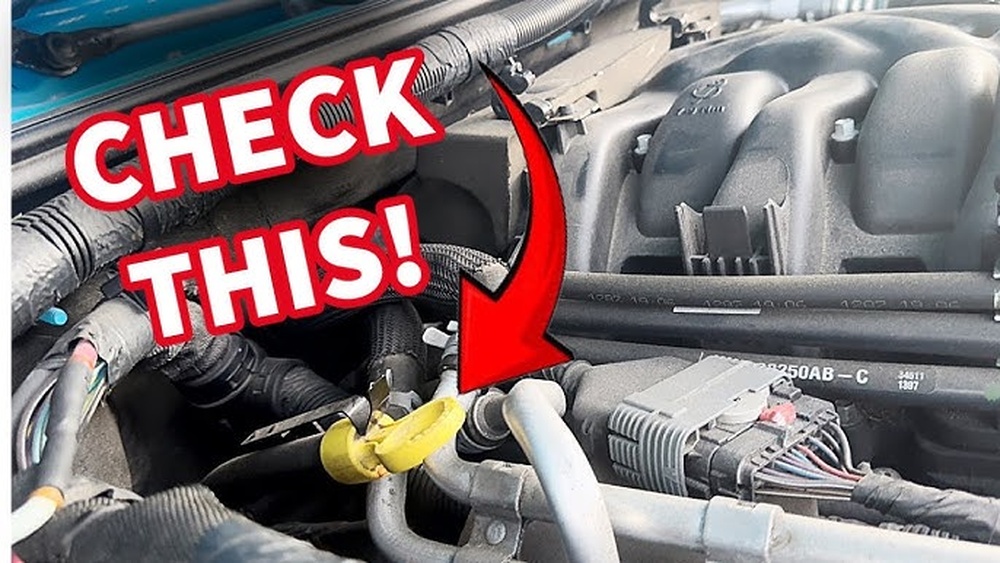
- Find the Dipstick: Open the hood and locate the transmission dipstick. It’s usually labeled and often has a red or yellow handle.
- Remove and Wipe: Pull out the dipstick, wipe it clean with your rag, and reinsert it fully.
- Check the Level: Pull the dipstick out again and look at the fluid level. It should be between the “Full” and “Add” marks.
- Check Fluid Condition: Look at the color and smell. Healthy fluid is usually pink or red and smells sweet. Dark, brown, or burnt-smelling fluid means it’s time for a change.
What If Your Jeep Has No Dipstick?
Many new Jeeps (like the Cherokee or Grand Cherokee after 2014) have a sealed system. You’ll need a special tool or should visit a dealer or mechanic. Never try to open the transmission yourself, as it can void your warranty or cause damage.
Reading The Transmission Fluid: Color And Condition
Not all transmission fluids look the same, and their color can tell you a lot. Here’s a quick guide:
| Fluid Color | What It Means | Action |
|---|---|---|
| Bright Red/Pink | Fresh, healthy fluid | No action needed |
| Light Brown | Fluid aging, still okay | Monitor regularly |
| Dark Brown/Black | Old, dirty, or burnt | Change fluid soon |
| Milky | Possible coolant leak | See mechanic ASAP |
Fluid condition matters as much as the level. If you see dark or milky fluid, don’t just top it off—plan for a full change or service.
Adding Or Changing Transmission Fluid
If your fluid is low and clean, you can add more yourself. Use only the type recommended in your owner’s manual (often ATF+4 for Jeeps). Never mix fluid types.
- Pour fluid into the dipstick tube using a small funnel.
- Add small amounts and check the level again.
- Do not overfill. Too much fluid can cause as many problems as too little.
If the fluid is dirty, it’s best to do a full transmission fluid change. This is more involved and may require a mechanic, especially for sealed systems.
Common Mistakes To Avoid
Many Jeep owners make errors when checking or adding transmission fluid. Here are some of the most common:
- Checking fluid when the engine is cold: You’ll get the wrong reading.
- Using the wrong fluid type: Always check your manual.
- Overfilling: This can cause leaks or pressure problems.
- Ignoring signs of trouble: Burnt smell or dark color means you need a change, not just a top-off.

Jeep Models: Dipstick Vs. Sealed Systems
Different Jeep models have different transmission setups. Knowing what your model has is crucial.
| Jeep Model | Transmission Type | Dipstick Present? |
|---|---|---|
| Wrangler (JK/TJ) | Automatic/Manual | Yes |
| Grand Cherokee (2014+) | Automatic | No (Sealed) |
| Cherokee (2014+) | Automatic | No (Sealed) |
| Liberty | Automatic/Manual | Yes |
If your Jeep uses a sealed system, regular checks at a certified shop are your best option.
When To See A Mechanic
Sometimes, you’ll find problems that you can’t fix with a simple fluid check. If you notice:
- Fluid leaks under your Jeep
- Shifting problems or grinding noises
- Warning lights on the dashboard
- Milky or burnt-smelling fluid
Don’t wait—get your Jeep checked by a professional. Transmission problems get worse (and more expensive) over time.

Frequently Asked Questions
How Often Should I Check My Jeep’s Transmission Fluid?
For most Jeeps, check every 6 months or every oil change. If you drive in tough conditions (towing, off-roading), check more often.
Can I Use Any Brand Of Transmission Fluid?
No. Always use the type and brand recommended by Jeep. Mixing or using the wrong fluid can damage your transmission.
What Should I Do If The Fluid Level Is Low?
Top off with the correct fluid. Then check for leaks—low fluid often means there’s a leak somewhere.
Is It Safe To Drive With Dirty Transmission Fluid?
No. Dirty or burnt fluid can cause serious damage. Schedule a fluid change as soon as possible.
How Do I Know If My Jeep Has A Sealed Transmission?
Check your owner’s manual or look under the hood for a dipstick. If you can’t find one, your Jeep likely has a sealed system. You can also confirm with your dealer or trusted mechanic.
Regularly checking your Jeep’s transmission fluid is simple but important. It helps your vehicle last longer and keeps every drive safe and smooth. For more details on transmission maintenance, visit the official Jeep Maintenance Guide. Taking a few minutes to check your fluid can save you from big repairs later—and keep your Jeep ready for every adventure.