Changing a tire on a Jeep may sound tough, but with the right tools and a clear process, anyone can do it safely. If you drive a Jeep, there’s a good chance you enjoy off-roading or traveling in places where help might not arrive quickly.
Knowing how to change a tire is not just smart—it’s essential. This guide will show you every step, from preparation to cleanup, and give you confidence to handle a flat tire anywhere.
What You Need Before You Start
Before you touch the tire, check your Jeep for these essential tools:
- Spare tire (full-size preferred for Jeeps)
- Jack (hydraulic or scissor type)
- Lug wrench
- Wheel chocks or big stones
- Gloves (optional but helpful)
- Flashlight (if it’s dark)
Many Jeeps come with these, but it’s smart to check. Some Jeep owners upgrade to larger tires; make sure your spare matches the size.
Here’s a quick comparison of spare tire types:
| Type | Pro | Con |
|---|---|---|
| Full-size | Best for off-road, matches other tires | Heavier, takes more space |
| Temporary (“donut”) | Lighter, saves space | Not for off-road, lower speed limit |
Step-by-step: Changing A Jeep Tire
1. Find A Safe Spot
Pull over as soon as you notice a flat. Try to park on level ground away from traffic. Turn on your hazard lights. Place wheel chocks or rocks behind the tires to keep the Jeep from rolling.
2. Get The Tools And Spare Ready
Take the spare, jack, and wrench out. If you have gloves, put them on. Put the tools near the flat tire.
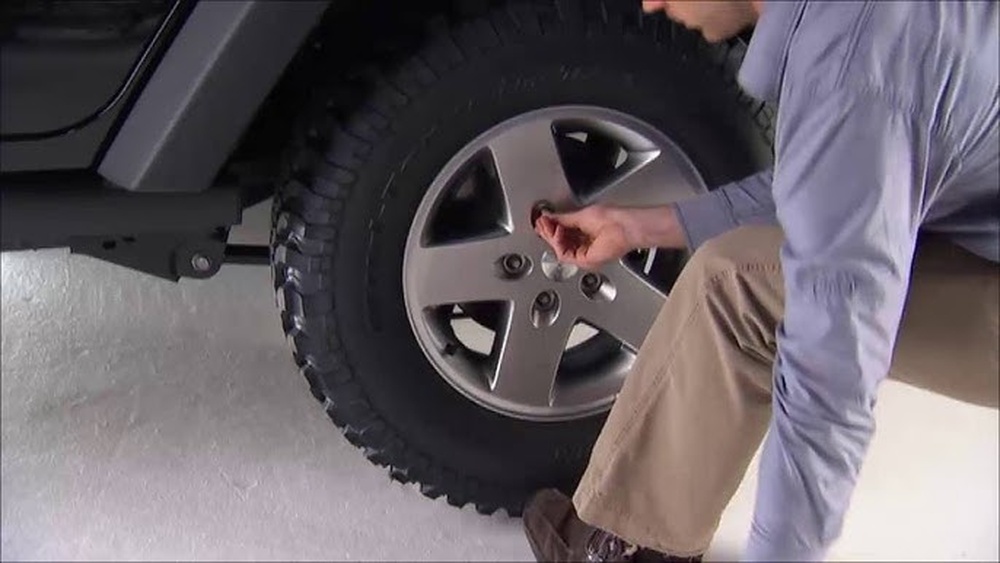
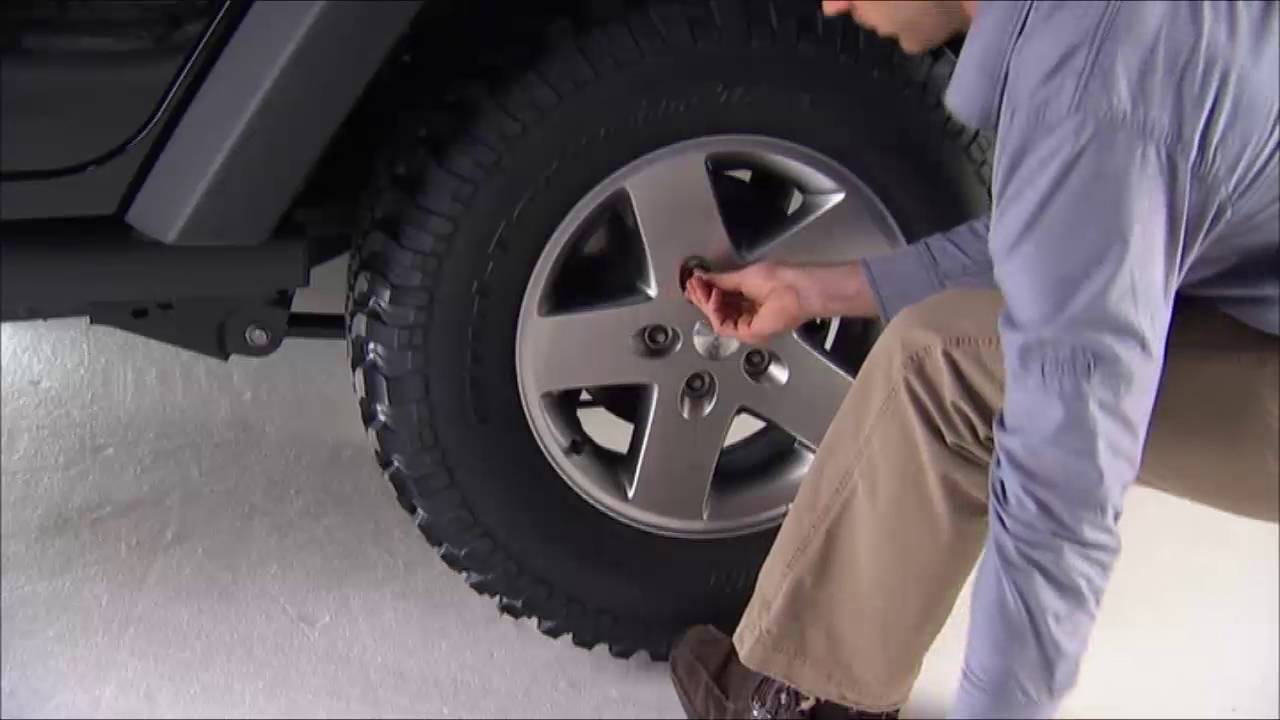
3. Loosen The Lug Nuts
Before lifting the Jeep, use the lug wrench to turn each lug nut counterclockwise. Don’t remove them yet—just loosen them. Jeep lug nuts may be tight, so use your body weight if needed.
4. Jack Up The Jeep
Find the jack point near the flat tire. For most Jeeps, this is on the frame just behind or in front of the tire. Place the jack securely and slowly lift the Jeep until the tire is about 2–3 inches off the ground.
A height comparison helps:
| Jeep Model | Ground Clearance | Jack Height Needed |
|---|---|---|
| Wrangler | 9.7 in | 12–15 in |
| Grand Cherokee | 8.6 in | 11–13 in |
5. Remove The Flat Tire
Now, finish unscrewing the lug nuts and put them in a safe spot. Pull the flat tire straight off. Sometimes it sticks—kick it gently if needed.
6. Put On The Spare Tire
Lift the spare onto the wheel bolts. Line up the holes and push it in place. Hand-tighten the lug nuts to hold the tire.
7. Lower The Jeep And Tighten Lug Nuts
Slowly lower the Jeep with the jack until the tire touches the ground. Now, use the lug wrench to tighten the lug nuts in a star pattern. This means tightening one, then the opposite, then the next, to make sure the tire sits evenly.
8. Clean Up And Double-check
Put all tools and the flat tire back in the Jeep. Check that all lug nuts are tight. Take a short drive, then check the nuts again—they sometimes loosen after a few miles.
Practical Tips For Jeep Owners
- Check your spare tire’s pressure every month. It should match the other tires.
- If you change to larger off-road tires, update your spare.
- Practice changing a tire at home. It’s much easier to learn in your driveway than on a muddy trail.
- Carry a mat or towel to kneel on—changing a tire in dirt or snow can get messy.
- Don’t rely on the factory jack if you’ve lifted your Jeep or use oversized tires. Buy a heavy-duty jack.
Many beginners forget to loosen the lug nuts before jacking up the Jeep. It’s almost impossible to do once the wheel is in the air.
Common Mistakes To Avoid
- Not using wheel chocks—the Jeep might roll.
- Forgetting to tighten lug nuts in a star pattern—this can cause the wheel to sit unevenly.
- Not checking the spare’s condition—sometimes the spare is flat or damaged.
- Leaving tools or the flat tire on the roadside—always clean up.
For extra peace of mind, you can check torque specs for your specific Jeep model in the owner’s manual. Over-tightening or under-tightening lug nuts can lead to wheel problems.
When To Call For Help
Changing a tire is doable, but sometimes it’s safer to get help:
- If you are on a busy highway with no safe spot
- The spare tire is missing or damaged
- The wheel won’t come off due to rust
- You don’t have the tools
In these cases, call roadside assistance or a tow service. Many Jeep owners carry a tire repair kit and air compressor for emergencies.
Jeep Tire Change Time Comparison
Here’s how long it typically takes, depending on your experience:
| Experience Level | Time Needed |
|---|---|
| Beginner | 30–45 minutes |
| Experienced | 15–20 minutes |
Taking your time is better than rushing. Safety always comes first.

Frequently Asked Questions
How Tight Should I Make The Lug Nuts?
Lug nuts should be “snug” but not overtightened. Most Jeep models recommend 85–115 ft-lbs of torque. Use a torque wrench if you have one.
Can I Use A Donut Spare On My Jeep?
You can, but it’s not ideal—especially off-road. Full-size spares match your regular tires and are safer for Jeeps.
What If My Spare Tire Is Flat?
Do not drive on a flat spare. Call for help or use a tire repair kit if available.
Is It Safe To Change A Tire On A Hill?
It’s not safe. Move to flat ground if possible. If you must, use extra wheel chocks and be very cautious.
Where Can I Find More Details About Jeep Maintenance?
Check your owner’s manual or visit the official Jeep owners site for guides and resources.
Whether you’re in the city or deep in the woods, knowing how to change a Jeep tire is a skill that will save you time and keep you safe. Take the time to prepare, practice, and you’ll be ready for any flat tire—wherever your Jeep takes you.