Getting a warning about tire pressure on your Jeep Renegade can be stressful, especially if you’re not sure what to do next. The tire pressure sensor is part of your car’s safety system and helps you avoid dangerous driving conditions. Resetting it is not difficult, but many people make mistakes or miss important steps. This guide will show you how to reset the sensor, why it matters, and give you practical tips so you don’t have to visit the dealership every time.
Understanding Tire Pressure Sensors In Jeep Renegade
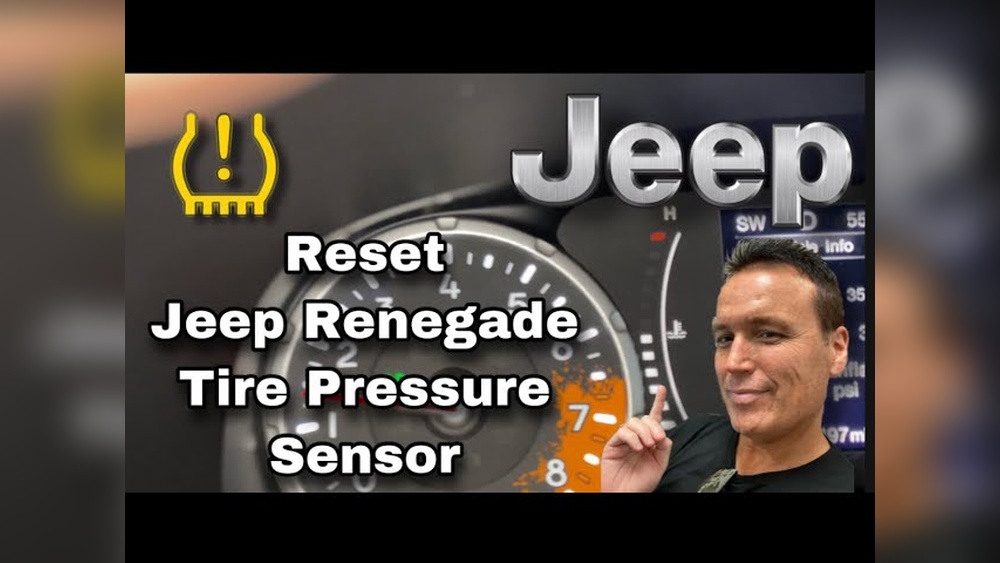
The Jeep Renegade uses a TPMS (Tire Pressure Monitoring System) to check the air in each tire. When pressure drops below a safe level, the system warns you with a light on your dashboard. This sensor helps prevent accidents, improves fuel economy, and protects your tires from damage.
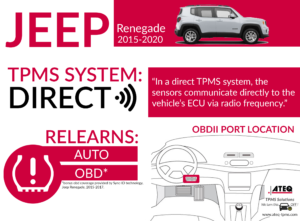
There are two main types of TPMS systems: direct and indirect. The Renegade uses a direct system, meaning each wheel has its own sensor.
Common Reasons The Sensor Needs Resetting
- Changing or rotating tires
- Replacing or repairing a sensor
- Seasonal temperature changes
- After inflating tires to correct pressure
Many owners don’t realize the sensor can get confused after tire service or sudden temperature changes.
Step-by-step: How To Reset Tire Pressure Sensor Jeep Renegade
Follow these steps to reset your TPMS sensor:
- Check tire pressure: Use a reliable gauge to measure all tires, including the spare. Inflate them to the recommended PSI (usually found on the driver’s door jamb or in the owner’s manual).
- Drive your Jeep: After adjusting pressure, drive for 10–15 minutes at speeds above 15 mph. The sensor often resets itself during this time.
- Turn off and restart: Sometimes, simply turning off the car, waiting a few minutes, and starting again clears the warning.
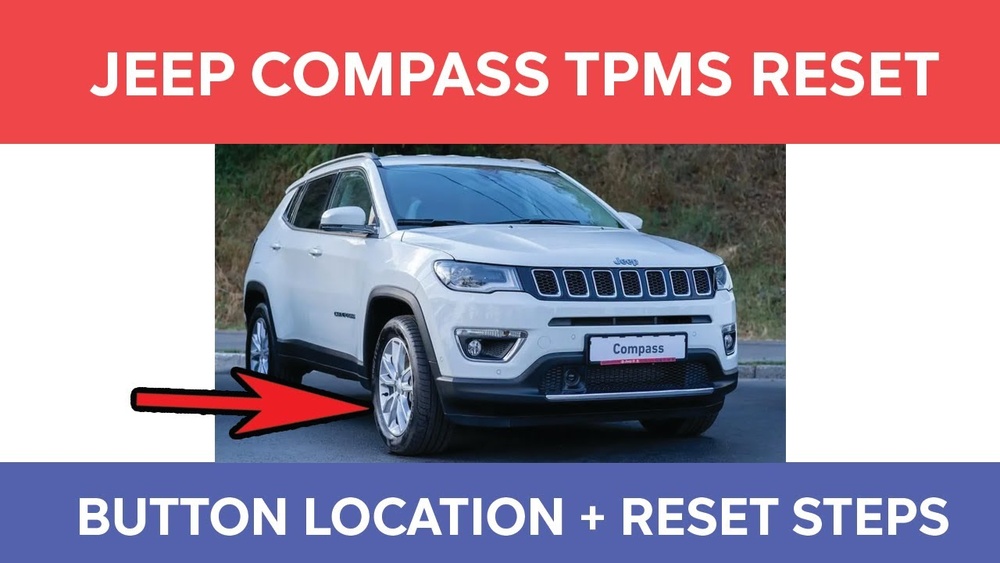
- Manual reset (if needed): On some models, use the menu button on your dashboard screen. Select “Vehicle Info,” then “Tire Pressure,” and follow prompts to reset.
- If the light stays on: There may be a faulty sensor or wiring issue. In this case, visit a certified Jeep dealer for diagnosis.
Data: Recommended Tire Pressure
Here is a quick reference for Jeep Renegade tire pressure:
| Model Year | Front Tires (PSI) | Rear Tires (PSI) | Spare Tire (PSI) |
|---|---|---|---|
| 2015–2018 | 33 | 33 | 60 |
| 2019–2024 | 35 | 35 | 60 |
Always check your specific model’s sticker or manual.
Common Mistakes When Resetting Tpms
Many Jeep Renegade owners make these mistakes:
- Ignoring the spare tire: Some models monitor the spare. If it’s low, the warning stays on.
- Using cheap air gauges: Inaccurate readings can cause unnecessary warnings.
- Not driving after inflating: The system needs movement to update.
- Forgetting to check all tires: Missing one can trigger the sensor again.
Comparison: Manual Vs Automatic Tpms Reset
Here’s how manual and automatic resets differ:
| Reset Method | Required Tools | Time Needed | Success Rate |
|---|---|---|---|
| Manual (Dashboard) | None | 5 min | High |
| Automatic (Driving) | None | 10–15 min | Very High |
| Dealership Reset | Scan Tool | 30–60 min | 100% |
In most cases, driving and restarting the car works well.
Practical Tips For Reliable Sensor Reset
- Use a digital tire gauge for accuracy.
- Check pressure when tires are cold—morning is best.
- If you rotate tires, always reset the sensor afterward.
- Record each tire’s PSI to spot slow leaks.
- Buy quality sensors if replacements are needed; cheap ones fail quickly.
Many beginners miss checking the spare tire, especially on models with full-size spares. Also, some don’t realize temperature changes can cause the warning to appear even if nothing is wrong.
When To Seek Professional Help
If you’ve tried all steps and the warning light won’t go away, it may mean:
- Sensor battery is dead
- Wiring or module issues
- Tire damage
A certified technician can use a scan tool to find the problem. This service costs between $40–$80, depending on your location. For more in-depth info about TPMS systems, visit NHTSA.
Example: Real Owner Experience
Sarah, a Jeep Renegade owner from Ohio, noticed her TPMS light after a cold snap. She checked all four tires and found one had dropped to 28 PSI. After inflating and driving for 12 minutes, the warning disappeared. She learned to check pressure monthly, especially in winter.
Frequently Asked Questions
How Do I Find The Correct Tire Pressure For My Jeep Renegade?
Look for the tire pressure label on your driver’s door jamb or check the owner’s manual. The recommended PSI is usually between 33–35 for front and rear tires.
Can I Reset The Sensor Without A Scan Tool?
Yes, most Jeep Renegade models reset automatically after you inflate tires and drive for 10–15 minutes. Manual reset using dashboard controls is also possible.
Why Does My Tpms Light Stay On After Adjusting Tire Pressure?
Possible reasons include a faulty sensor, low spare tire, incorrect PSI, or sensor battery failure. If the light stays on, visit a dealership for diagnosis.
Will Changing Wheels Affect The Tpms Sensor?
Yes, if you change wheels or rotate tires, the sensor may need resetting. Always check pressure and reset the system after any wheel change.
How Often Should I Check Tire Pressure?
Check your tire pressure at least once a month, and before long trips. Cold weather can cause pressure to drop, so check more often in winter.
Resetting your tire pressure sensor is a simple task once you know the process. Regular checks and proper maintenance keep your Jeep Renegade safe and efficient. If the warning light stays on after following these steps, don’t hesitate to seek expert help.
Taking care of your TPMS system saves money, reduces stress, and keeps you safer on the road.