Owning a Jeep is exciting, but dealing with leaks can quickly turn that joy into frustration. Leaks are common, especially as vehicles age or face rough weather. Whether you notice puddles under your Jeep or drips inside the cabin, finding and stopping the leak is essential.
Ignoring leaks can cause damage, rust, and expensive repairs. This guide explains how to identify the cause, fix common leaks, and prevent future problems. If you want your Jeep to stay dry and reliable, follow these practical steps.
Common Causes Of Jeep Leaks
Understanding where leaks come from is the first step to fixing them. Jeeps are known for their rugged design, but certain areas are prone to letting water or fluid in. Here are the main sources:
- Soft top or hardtop seals: Weatherstripping can wear out, letting water drip into the cabin.
- Windshield frame: Poor sealing or rust can cause leaks here, especially after off-roading.
- Door seals: Rubber gaskets around doors may crack over time.
- Floor pan and drain plugs: Rust or loose drain plugs can let water under the carpet.
- Engine bay: Oil, coolant, or transmission fluid leaks often come from worn hoses or gaskets.
Each area requires a different approach. Pinpointing the leak source is crucial before starting any repair.
Diagnosing The Leak
Finding the exact leak location saves time and money. Here’s how to diagnose:
- Visual inspection: Start by checking for wet spots inside and outside your Jeep. Look at door edges, under seats, and around the windshield.
- Touch and smell: Water leaks usually feel cool and have no odor. Oil leaks feel greasy and may smell burnt. Coolant is often sticky and sweet-smelling.
- Paper towel test: Place paper towels under suspected areas overnight. In the morning, check for wetness to narrow down the source.
- Hose spray test: Spray water over your Jeep, focusing on seams and seals. Watch for drips inside.
Here’s a quick comparison of leak types:
| Leak Type | Common Location | Typical Cause |
|---|---|---|
| Water | Cabin, doors, roof | Seal failure, rust |
| Oil | Engine bay, under Jeep | Gasket, hose wear |
| Coolant | Engine bay, radiator | Cracked hose, radiator leak |
| Transmission Fluid | Under Jeep, near transmission | Pan gasket, seals |

Fixing Cabin Water Leaks
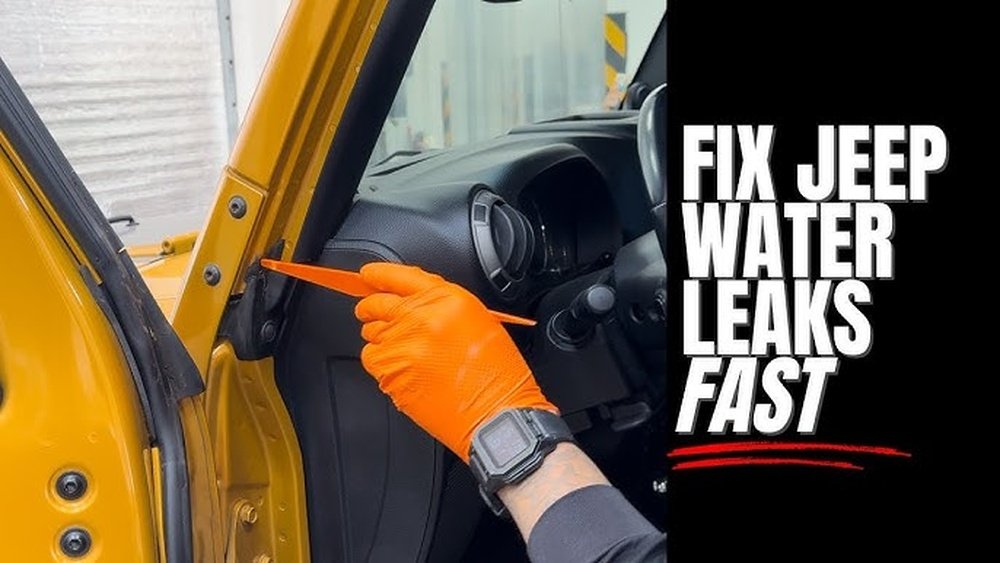
Water leaking into the cabin is common in Jeeps, especially after rain or car washes. Here’s how to stop it:
- Replace worn seals: Check door and window gaskets for cracks. Replace damaged seals with OEM parts for best fit.
- Seal roof seams: For soft tops, inspect stitching and zippers. For hardtops, check the connection points. Use silicone sealant to fill gaps.
- Windshield frame repair: Rust can create holes. Clean the area, sand off rust, and apply rust converter. Use waterproof sealant around the frame.
- Fix drain plugs: Make sure drain plugs in the floor are tight. Replace missing plugs to keep water out.
Here’s a comparison of seal types:
| Seal Type | Durability | Replacement Cost |
|---|---|---|
| Door Gasket | 3-5 years | $20-$50 |
| Roof Seal | 5-7 years | $30-$80 |
| Windshield Seal | 4-6 years | $25-$60 |
Most leaks are fixed by replacing seals. Always clean surfaces before installing new seals for better adhesion.
Fixing Engine And Fluid Leaks
Fluid leaks under your Jeep can lead to serious engine damage. Here’s how to address them:
- Locate the leak: Check oil pan, transmission pan, and coolant hoses. Use a flashlight for better visibility.
- Replace gaskets: Oil leaks often come from worn gaskets. Buy quality replacements; cheap gaskets fail quickly.
- Check hoses: Cracked or loose hoses cause coolant and transmission leaks. Replace with reinforced hoses for longer life.
- Tighten bolts: Loose bolts on pans and covers can cause leaks. Use a torque wrench to avoid over-tightening.
A non-obvious tip: Look for leaks after driving, not just when parked. Heat expands parts, making some leaks visible only when the engine is hot.
Preventing Future Leaks
Stopping leaks once is good, but preventing them saves hassle. Here’s how to keep your Jeep leak-free:
- Regular inspection: Check seals and hoses every oil change.
- Keep surfaces clean: Dirt weakens seals and makes leaks worse.
- Store under cover: Parking indoors or using a cover protects seals from sun and rain.
- Use quality parts: Cheap replacement parts often lead to repeat leaks.
- Rustproofing: Apply rustproofing sprays to vulnerable areas.
Another insight: Avoid pressure washing seals. High-pressure water can force gaps open and create new leaks.
When To See A Mechanic
Some leaks need professional help. If you find:
- Large puddles of oil or coolant under your Jeep
- Persistent leaks after replacing seals
- Electrical issues from water intrusion
Don’t wait. Mechanics have tools to diagnose hidden leaks and can fix complex problems faster. A Jeep with chronic leaks loses resale value and can become unsafe.
For more Jeep maintenance tips, visit Jeep Official Owner Site.

Frequently Asked Questions
Why Does My Jeep Leak After Heavy Rain?
Most leaks after rain come from old door seals or roof seams. Water finds small gaps and drips inside. Check seals and reseal weak spots.
Can I Use Diy Sealant For Leaks?
Yes, silicone sealant is safe for minor leaks. Apply to clean, dry surfaces. For large gaps or rust holes, professional repair is better.
How Much Does It Cost To Fix A Leak?
Fixing a basic cabin leak usually costs $20-$80 for parts. Engine or transmission leaks may cost $200-$700 depending on the repair needed.
Is It Safe To Drive With A Leak?
Small water leaks are not dangerous but can cause mold. Fluid leaks—oil, coolant, transmission—can harm your engine. Always fix fluid leaks quickly.
How Can I Prevent Leaks In The Future?
Inspect seals and hoses every 6 months. Store your Jeep under cover and avoid high-pressure washes. Use quality replacement parts.
Stopping your Jeep from leaking is possible with the right approach. By identifying the source, using good materials, and staying proactive, you can keep your Jeep dry and protected. Regular maintenance and smart prevention help your Jeep last longer and perform better.