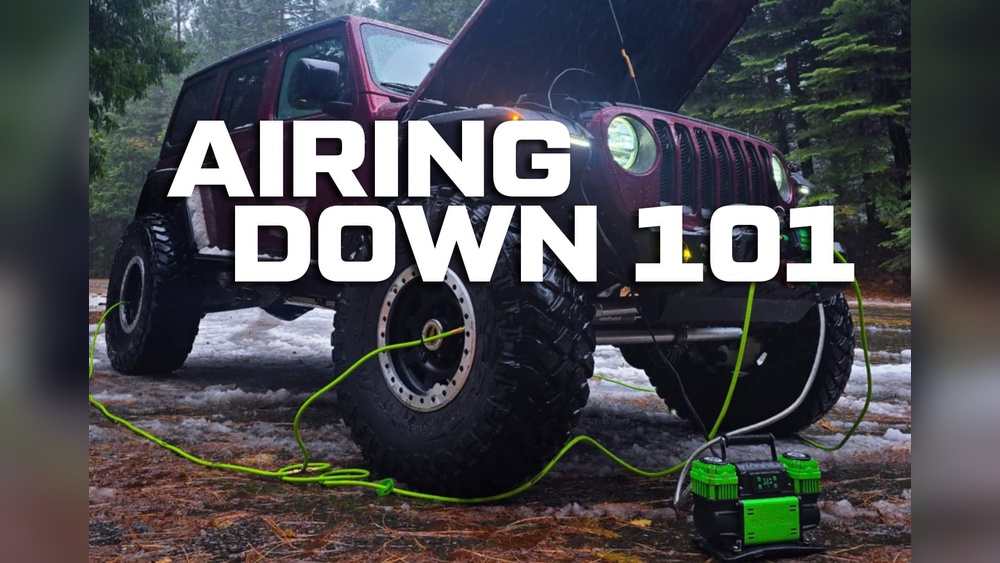
If you drive a Jeep, you probably know how exciting off-roading can be. But before you hit trails, there’s one simple trick that can make your ride smoother and safer: airing down your Jeep tires. Lowering your tire pressure gives you better grip, helps avoid punctures, and protects your suspension. Many beginners overlook this step or do it incorrectly. This guide shows you how to air down Jeep tires, explains why it matters, and helps you avoid mistakes that could ruin your adventure.
Why Air Down Jeep Tires?
Airing down isn’t just about comfort. It’s a safety step for off-roading. Lower tire pressure lets the tire spread out, creating a bigger contact patch. This means your Jeep gets more traction on sand, mud, snow, or rocks. It also reduces the risk of tire punctures and damage to your wheels.
A 2022 study found that vehicles with aired-down tires had 30% fewer punctures on rocky trails. You’ll also notice less bouncing and shaking, which protects your Jeep’s suspension and makes the ride easier on your body.
Recommended Tire Pressure Levels
The best air-down level depends on your Jeep, tire size, and terrain. Here’s a quick reference for common situations:
| Terrain Type | Recommended PSI | Benefits |
|---|---|---|
| Sand | 12–16 PSI | Max grip, avoids sinking |
| Mud | 15–20 PSI | Better traction, less wheel spin |
| Rocks | 8–14 PSI | Flexes over obstacles |
| Snow | 12–18 PSI | Wider footprint, less slipping |
Never go below the minimum PSI recommended for your tires and wheels, or you risk bead separation (the tire coming off the wheel).

Tools You Need To Air Down
You can air down Jeep tires with basic tools. Some are faster and more accurate than others.
| Tool | Speed | Accuracy | Cost |
|---|---|---|---|
| Valve Stem Removal Tool | Fast | Low | $2–$5 |
| Tire Deflator Kit | Medium | High | $20–$40 |
| Pressure Gauge | Slow | High | $5–$15 |
| Pencil/Stick | Slow | Low | Free |
A tire deflator kit is the best choice for most Jeep owners. It lets you set a target PSI, then removes air automatically until it reaches that level.
Step-by-step: How To Air Down Jeep Tires
Follow these steps to air down safely:
- Park on level ground. This makes the process easier and safer.
- Check your starting PSI with a pressure gauge.
- Choose your tool. Most people use a tire deflator kit.
- Set your target PSI based on the terrain.
- Attach the deflator to the valve stem.
- Release air and monitor the pressure.
- Check each tire to make sure they are at the same PSI.
- Double-check with a pressure gauge before driving.
Quick Example
Suppose your Jeep tires start at 35 PSI. You’re heading onto sandy dunes. You use a tire deflator kit and set it to 14 PSI. After a few minutes, each tire reads 14 PSI. You’re ready for the trail.

Common Mistakes To Avoid
Many Jeep owners make these errors:
- Going too low: Dropping below safe PSI can cause tire damage or bead separation.
- Uneven pressure: If tires have different PSI, your Jeep will pull to one side.
- Forgetting to air up: After off-roading, always return tires to normal PSI before highway driving.
- Ignoring the weather: Cold air shrinks tires, so double-check PSI in winter.
One non-obvious insight: After airing down, drive slowly at first. This lets the tires adjust to their new shape and helps you spot any leaks or problems early.
Air Up After The Trail
Before heading home, you must return your Jeep tires to their normal PSI (usually 30–35 PSI for most models). Driving on aired-down tires at highway speeds is dangerous and ruins tires.
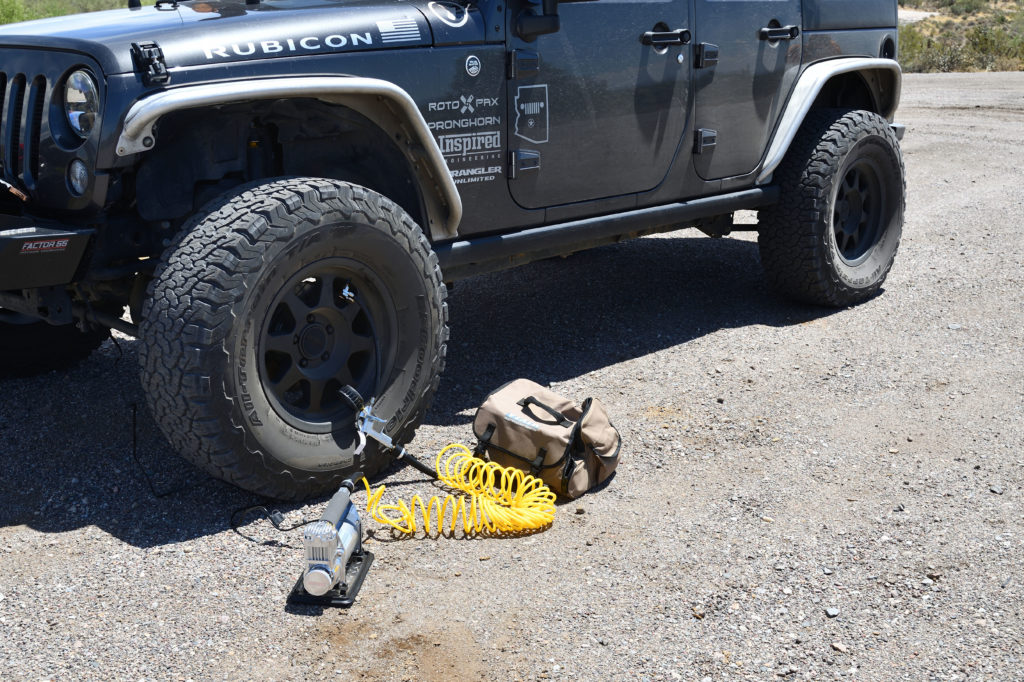
You’ll need a portable air compressor or visit a gas station. Portable compressors made for off-road use can fill a tire from 15 PSI to 35 PSI in 2–5 minutes. Check each tire with a pressure gauge after inflating.
| Compressor Type | Fill Time (1 tire) | Portability |
|---|---|---|
| Off-road compressor | 2–5 min | High |
| Gas station pump | 1–3 min | Low |
A big mistake: Some drivers forget to check all four tires after airing up. Always confirm each tire is at the right PSI.
Extra Tips For Jeep Owners
- Practice at home: Try airing down in your driveway before your first trail trip.
- Carry spare valve stems: If you lose one, you can’t refill your tire.
- Label your tools: This saves time when you’re packing or unpacking after a trail day.
- Watch for slow leaks: Sometimes airing down can reveal hidden punctures.
An overlooked tip: After you air down, the tire sidewalls flex more. Avoid sharp turns at high speed to prevent damage.
Frequently Asked Questions
How Low Can I Air Down Jeep Tires Safely?
Most Jeep tires can safely go down to 12–15 PSI for sand or snow, and 8–12 PSI for rocks if you have beadlock wheels. Always check your tire’s sidewall for minimum PSI and never go below it.
Can I Air Down With Just A Stick Or Key?
Yes, you can press the valve stem with a stick, key, or even a pen. But this is slow and hard to control. It’s much safer to use a tire deflator kit.
What Happens If I Forget To Air Up After Off-roading?
Driving at highway speeds with low tire pressure can cause blowouts, poor handling, and ruins tires quickly. Always restore your tires to normal PSI before leaving the trail.
Do I Need Beadlock Wheels To Air Down?
Beadlock wheels are only necessary if you plan to air down below 10 PSI. For most off-roading, standard wheels are fine as long as you stay above their minimum recommended PSI.
Are There Official Guides For Jeep Tire Pressure?
Yes. You can check the Jeep owner’s manual or visit Tire Rack for official tire pressure recommendations and safety tips.
Airing down your Jeep tires is a simple step that makes off-roading safer and more fun. With the right tools and knowledge, you’ll enjoy better traction, fewer tire problems, and a smoother ride. Always double-check your pressure, avoid common mistakes, and practice before your next big adventure.