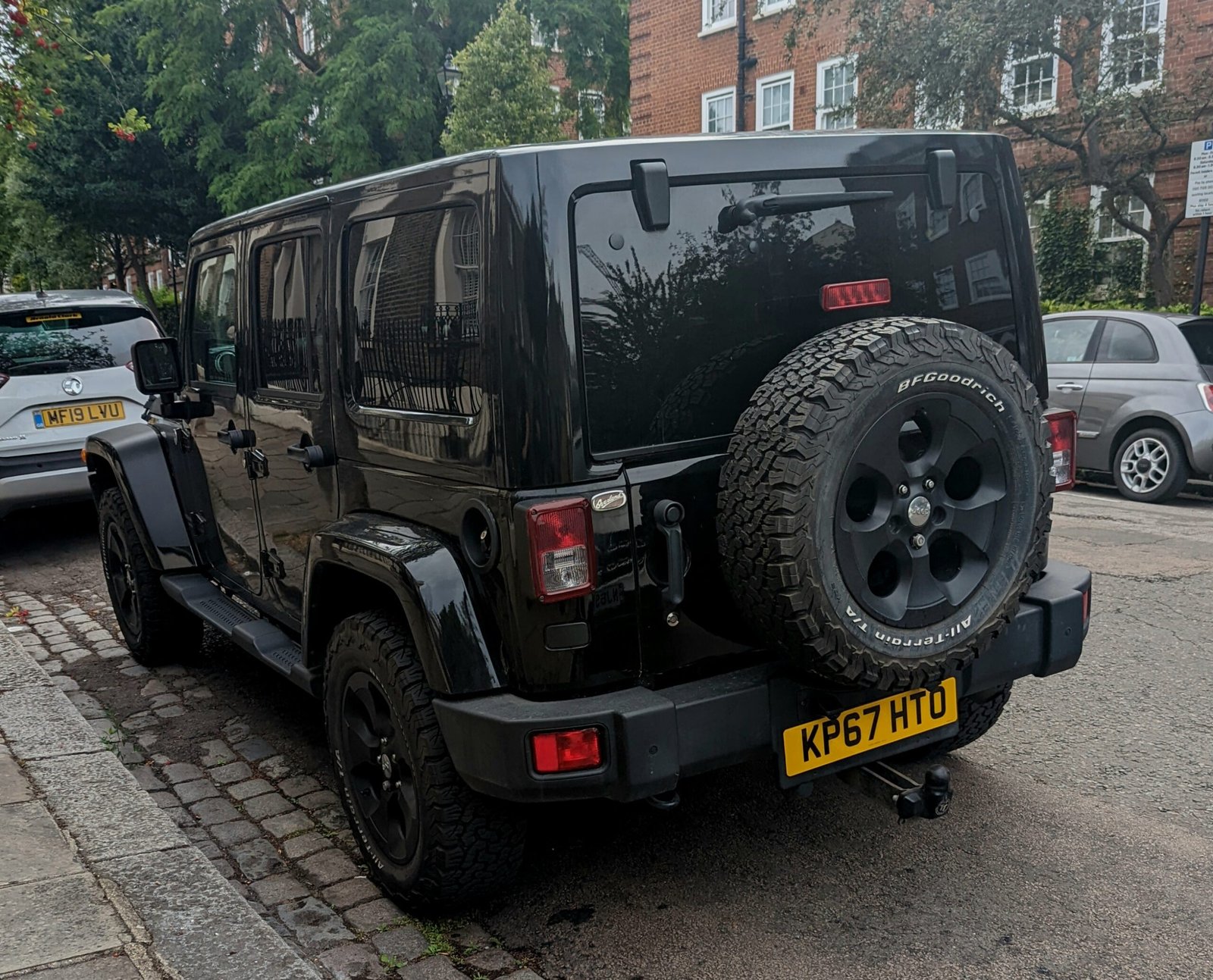
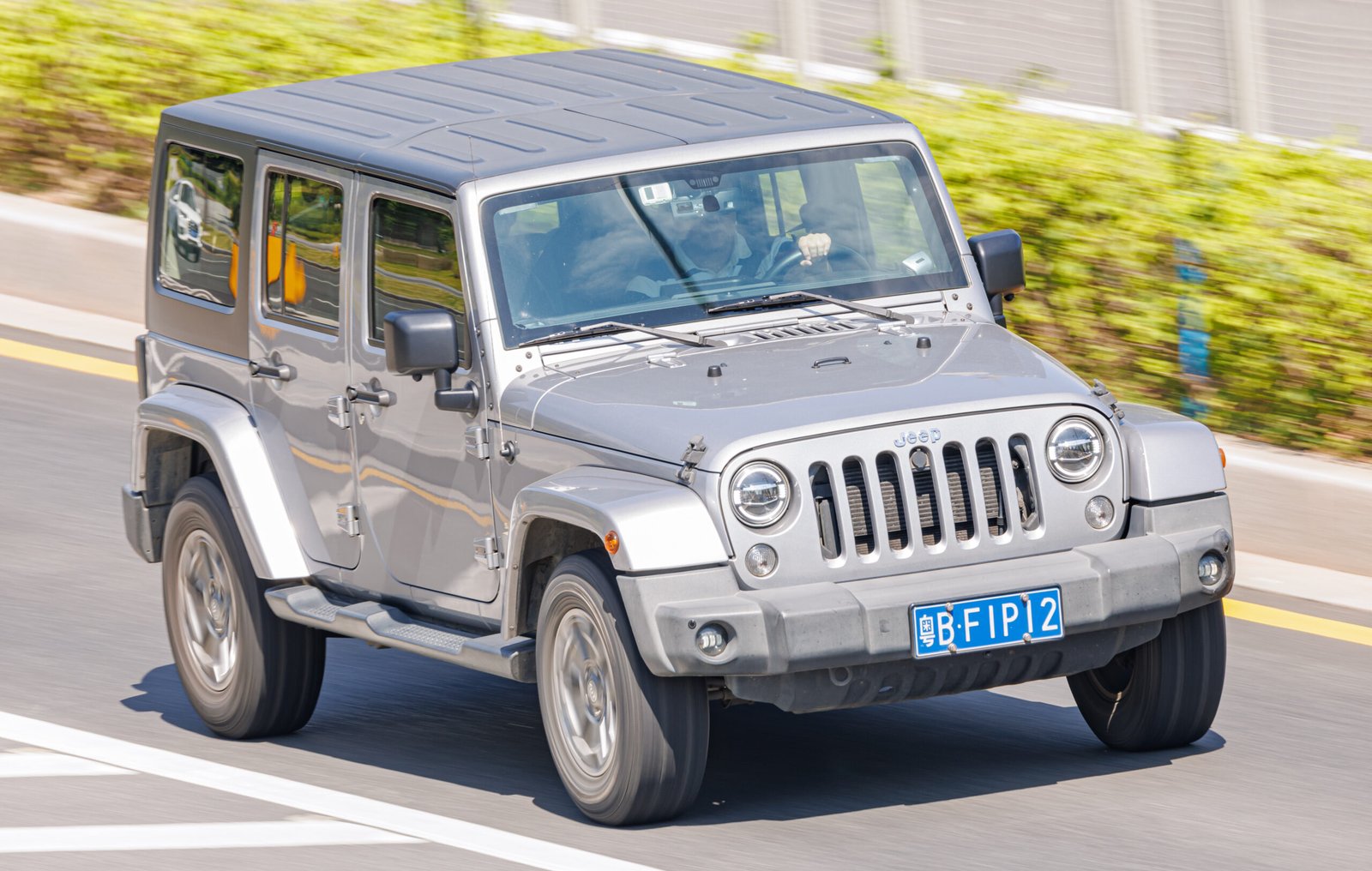
Replacing the Powertrain Control Module (PCM) in your Jeep Grand Cherokee might sound intimidating, but with the right guidance, it’s a task many car owners can handle themselves. The PCM is the “brain” of your vehicle, controlling engine, transmission, and emission systems. When it fails, you might notice warning lights, rough idling, poor fuel economy, or even a no-start condition. Whether your Jeep is refusing to run smoothly or your mechanic diagnosed a bad PCM, learning how to replace it yourself can save time and money.
Understanding The Pcm In A Jeep Grand Cherokee
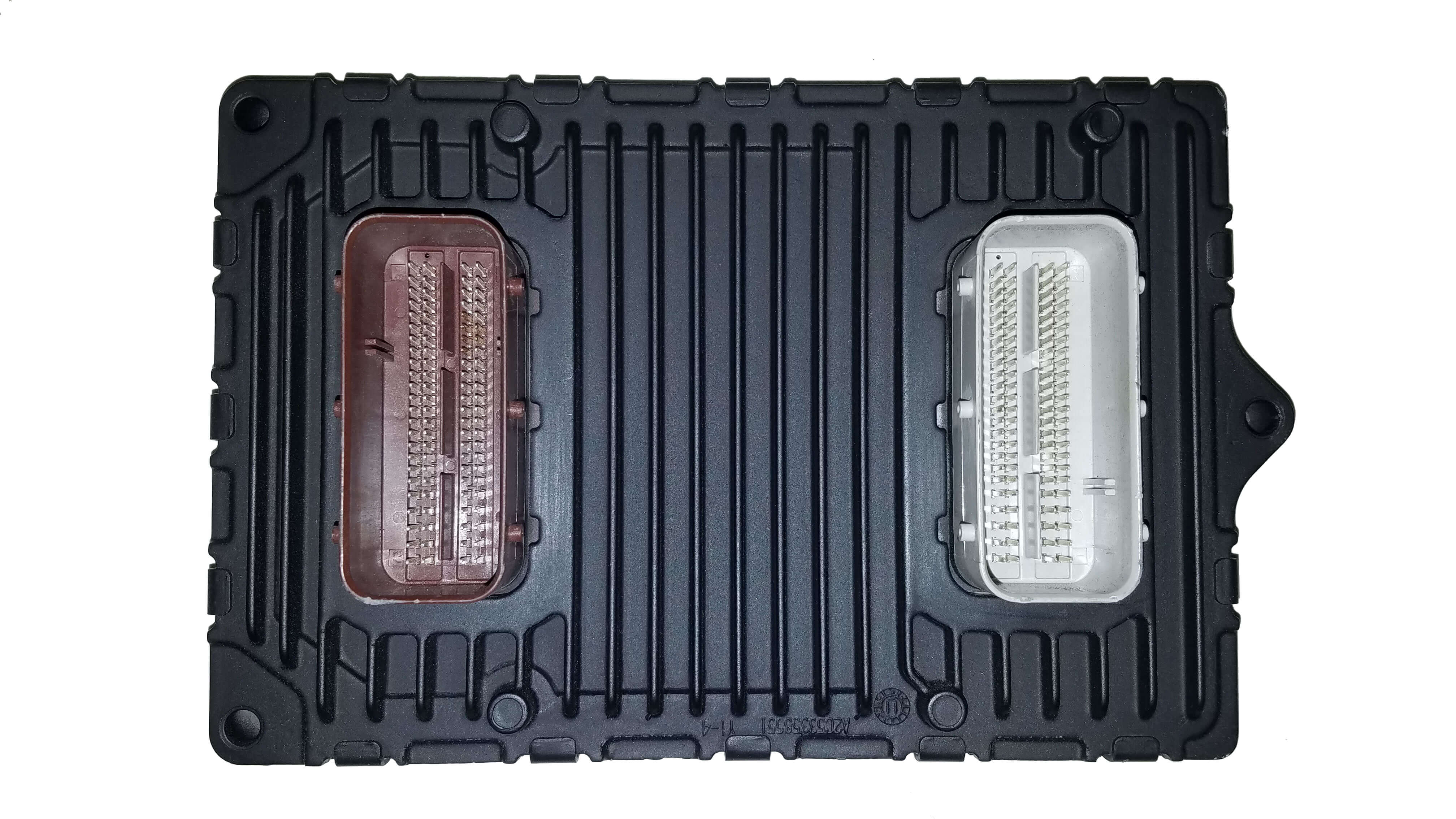
The PCM manages important engine and transmission functions. In most Jeep Grand Cherokees, it sits in the engine compartment, usually near the firewall or fender. Modern models use advanced PCMs that communicate with other modules, making them vital for normal operation.
A failing PCM might cause:
- Check Engine Light that won’t turn off
- Poor acceleration or shifting
- Engine stalling or misfiring
- Failed emissions tests
Before replacing your PCM, confirm the diagnosis. Many issues can mimic PCM problems, like faulty sensors or wiring. A professional scan tool can help verify the fault.
Tools And Parts Needed
Gathering the right tools ahead of time makes the job smoother. You will need:
- Replacement PCM (make sure it’s compatible with your Jeep’s year and engine)
- Socket set (8mm and 10mm sockets are most common)
- Screwdrivers
- Ratchet
- Anti-static wrist strap (optional but helps prevent electrical damage)
- Vehicle owner’s manual
Having a scan tool or code reader can help clear codes after installation.
Step-by-step Guide: How To Replace Pcm In Jeep Grand Cherokee
Follow these steps to safely swap your PCM.
1. Disconnect The Battery
Always start by disconnecting the negative battery terminal. This protects you and the new PCM from electrical shorts.
2. Locate The Pcm
Most Jeep Grand Cherokees (1999–2021) have the PCM in the engine bay, on the passenger side near the firewall. Some older models have it behind the air filter box. Refer to your manual if unsure.
3. Remove The Old Pcm
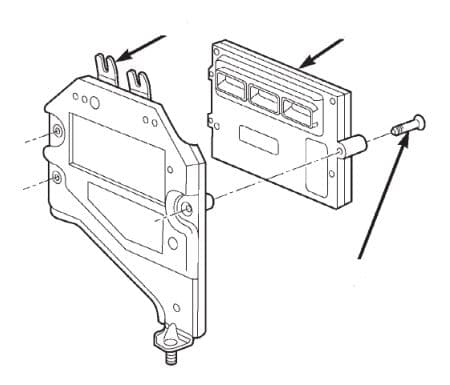
- Unplug connectors: Carefully release each wiring harness attached to the PCM. Press the locking tab, then pull gently.
- Unscrew mounting bolts: Use your socket set to remove the bolts securing the PCM.
- Lift out the PCM: Once unbolted, gently remove the unit.
4. Install The New Pcm
- Position the new PCM: Place it exactly as the old one sat.
- Bolt it down: Secure the PCM using the original bolts.
- Reconnect wiring harnesses: Firmly plug in all connectors until they click.
5. Reconnect The Battery
Reattach the negative battery cable and tighten it securely.
6. Program The Pcm
Most PCMs need programming (flashing) to match your Jeep’s VIN and security system. Some replacement PCMs come pre-programmed, but others require dealer or specialist programming.
If your PCM is not programmed:
- The vehicle may not start.
- You may see security warning lights.
- Take your Jeep to a dealer or a reputable shop for programming.
7. Test The Vehicle
- Turn the ignition key to “ON” (don’t start yet). Wait for dashboard lights to cycle.
- Start the engine. Watch for warning lights and listen for abnormal sounds.
- If everything seems normal, take a short test drive.
If you have a scan tool, check for stored codes and clear them if needed.
Pcm Replacement Cost And Time
Here’s a quick look at the typical costs and time required for this job:
| Item | Estimated Cost |
|---|---|
| Replacement PCM (OEM) | $250 – $600 |
| Labor (shop/dealer) | $100 – $300 |
| Programming Fee | $80 – $150 |
DIY replacement usually takes 30–60 minutes, not including programming time.
Common Mistakes To Avoid
Many beginners make errors that can lead to extra costs or problems. Watch for these pitfalls:
- Skipping the battery disconnect: This can damage the PCM or cause shorts.
- Forcing connectors: PCM pins are delicate. Always press the tab before pulling.
- Using the wrong PCM: Even slight differences in model years or engines can cause major issues.
- Not programming the PCM: Your Jeep may not start or could run poorly.
- Touching pins with bare hands: Oils or static electricity can harm sensitive electronics.
Quick Comparison: Oem Vs Aftermarket Pcm
Choosing the right replacement is crucial. Here’s how OEM and aftermarket PCMs compare:
| Type | Pros | Cons |
|---|---|---|
| OEM PCM | Guaranteed compatibility, better reliability | Higher cost, limited sources |
| Aftermarket PCM | Lower price, wider availability | Possible compatibility issues, variable quality |
For most owners, OEM is worth the extra cost due to fewer headaches.
Extra Tips For A Smooth Pcm Replacement
- Label connectors if you’re unsure. Mixing them up can cause major issues.
- Take photos before disconnecting anything.
- If your Jeep has security features (like Sentry Key), always confirm programming requirements before buying a new PCM.
- Save your old PCM until the new one is working perfectly.
Frequently Asked Questions
How Do I Know If My Pcm Is Bad?
Typical signs include check engine light, poor shifting, rough running, or no-start. Confirm with a professional scan before replacing.
Can I Program A Pcm Myself?
Most Jeep PCMs require specialist tools to program. Some online sellers offer pre-programmed units, but for many models, dealer programming is safest.
Will A Used Pcm Work In My Jeep Grand Cherokee?
A used PCM can work, but it must be compatible and reprogrammed to your VIN and security system. Otherwise, it may not start or could cause other problems.
Is It Safe To Drive With A Bad Pcm?
Driving with a failing PCM can leave you stranded or cause further damage. It’s best to replace it as soon as possible.
Where Can I Find Programming Services For My New Pcm?
Many dealers and specialized auto shops offer PCM programming. You can also learn more from the official Powertrain Control Module page.
Swapping the PCM in your Jeep Grand Cherokee is achievable for most DIYers with patience and careful attention to detail. By following these steps and tips, you can get your Jeep back on the road with confidence.