Getting your Jeep out of 4WD Low can be confusing if you’ve never done it before. Many Jeep owners find themselves stuck in this mode, especially after off-road adventures. Shifting out of 4WD Low is not the same as switching between two-wheel and four-wheel drive. If you don’t do it properly, you might damage your transmission or drivetrain. This guide explains the process clearly, with practical tips and answers to common questions, so you can confidently return your Jeep to normal driving.
Understanding 4wd Low
4WD Low (also called 4-Low) gives your Jeep extra power at low speeds. It’s great for climbing steep hills, crawling over rocks, or moving through deep mud. But when you’re back on paved roads, you need to switch back to 2WD or 4WD High for safe and smooth driving.
Here’s a quick look at the differences:
| Mode | Best Use | Speed Range |
|---|---|---|
| 2WD | Regular roads | Any speed |
| 4WD High | Snow, rain, light off-road | Up to 55 mph |
| 4WD Low | Rock, mud, steep climbs | Under 25 mph |
Never drive on dry pavement in 4WD Low. The gears are designed for tough conditions, not highway speeds.
Steps To Get Jeep Out Of 4wd Low
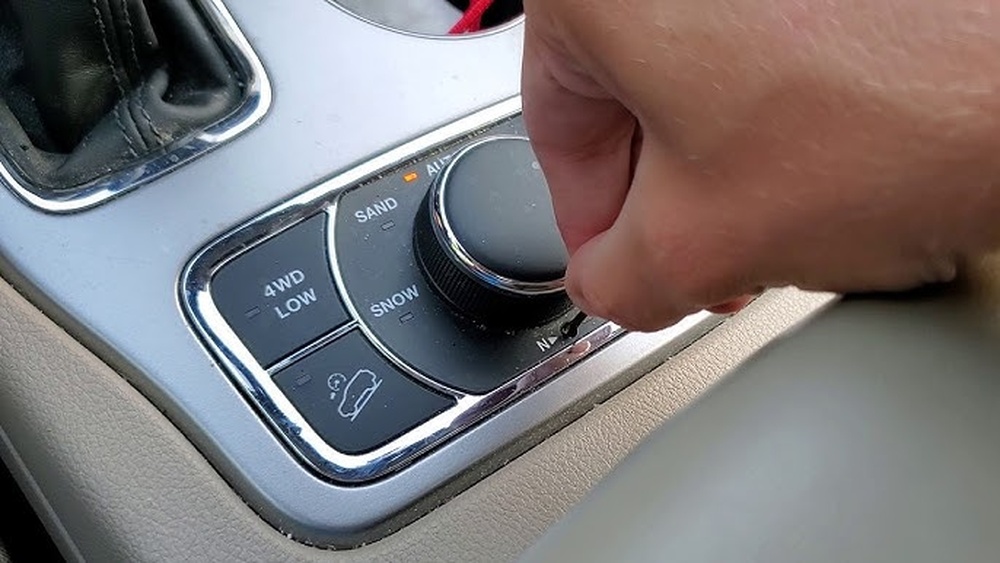
Getting out of 4WD Low is not as simple as pushing a button. The process is mechanical, and each Jeep model may have small differences. Here’s a general guide that works for most Wranglers, Cherokees, and other models:
- Stop the Jeep completely. Your wheels should not be moving.
- Keep your foot on the brake.
- Shift the transmission into neutral (N). This is essential. If you skip this, the transfer case won’t shift.
- Firmly move the 4WD lever or dial from 4WD Low to 2WD or 4WD High. You may feel some resistance. Move the lever in one smooth motion.
- Pause for 1–2 seconds. This gives the gears time to engage.
- Shift the transmission back to drive (D) or reverse (R).
- Slowly move forward or backward a few feet. This helps the system fully disengage.
Some Jeeps use electronic switches, while older models have a lever. Always check your owner’s manual for your exact model’s process.
Common Problems And Solutions
It’s not unusual for the Jeep to get stuck in 4WD Low. Here’s why it happens and what to do:
| Problem | Cause | Solution |
|---|---|---|
| Lever won’t move | Vehicle not in neutral | Shift transmission to N |
| Grinding noise | Trying to shift while moving | Always stop first |
| 4WD Low light stays on | Transfer case not fully disengaged | Roll Jeep slowly a few feet |
Non-obvious tip: If you’re on a hill or uneven ground, shifting may be harder. Try to find flat ground for easier transfer case movement.
Safety And Maintenance Tips
Driving in the wrong gear can cause drivetrain damage or wear out your tires quickly. Here’s how to keep your Jeep healthy:
- Use 4WD Low only when needed.
- Shift only when stopped, unless your manual says otherwise.
- Never force the lever. If it feels stuck, double-check your steps.
- After shifting, listen for strange noises.
- If the warning light stays on, consult a mechanic.
Expert insight: Some Jeeps need a slight forward or backward roll to disengage 4WD Low. Don’t panic if the light doesn’t go out immediately.

When To See A Mechanic
If you’ve tried all the steps and your Jeep stays in 4WD Low, something may be wrong. Common mechanical issues include:
- Transfer case linkage out of adjustment
- Electronic sensor failure
- Low transfer case fluid
- Internal damage to gears
A professional can quickly diagnose the problem. Continuing to drive in 4WD Low on pavement can lead to expensive repairs.
Why Does Jeep Make It Complicated?
Jeeps are built for tough conditions. The transfer case is a strong but simple mechanical system. The extra steps for shifting out of 4WD Low are for safety. This prevents accidental gear changes that could damage your Jeep or cause a loss of control.
Here’s a comparison of Jeep’s 4WD system to others:
| Brand | 4WD Low Shift Method | Ease of Use |
|---|---|---|
| Jeep | Lever or dial, must stop and shift to Neutral | Medium |
| Toyota | Electronic dial, often shift on the fly | Easy |
| Ford | Electronic or lever, usually must stop | Medium |
Many Jeep owners appreciate the control this system gives, especially off-road.
Frequently Asked Questions
How Do I Know If My Jeep Is In 4wd Low?
You’ll usually see a 4WD Low light on the dashboard. The steering may feel heavier, and you’ll notice the engine revs higher at low speed.
Can I Shift Out Of 4wd Low While Moving?
No. Always stop the Jeep first and shift the transmission into neutral. Shifting while moving can damage the transfer case.
What If The 4wd Low Light Stays On After I Shift?
Try rolling the Jeep a few feet forward or backward. If the light still stays on, check your manual or visit a mechanic.
Is It Bad To Drive In 4wd Low On Pavement?
Yes. 4WD Low is for off-road or slippery conditions only. Driving on dry pavement in this mode can harm your drivetrain and tires.
Where Can I Find More Details For My Specific Jeep Model?
Always check your owner’s manual for the most accurate instructions. You can also visit the official Jeep Maintenance Site for more information.
Getting your Jeep out of 4WD Low is easy once you know the right steps. Remember to stop completely, use neutral, and shift smoothly. If you follow these guidelines, you’ll keep your Jeep in great shape for years of adventure.