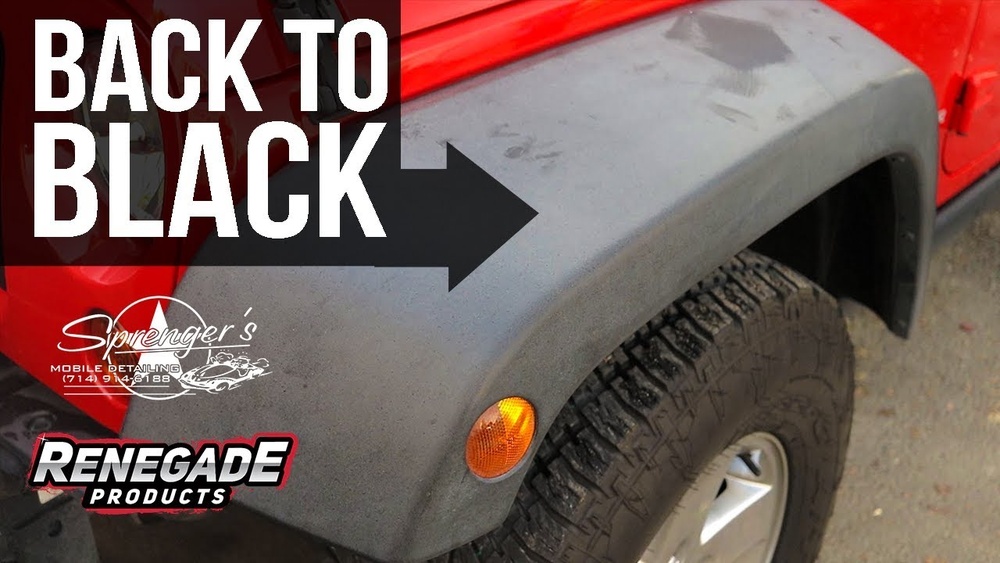
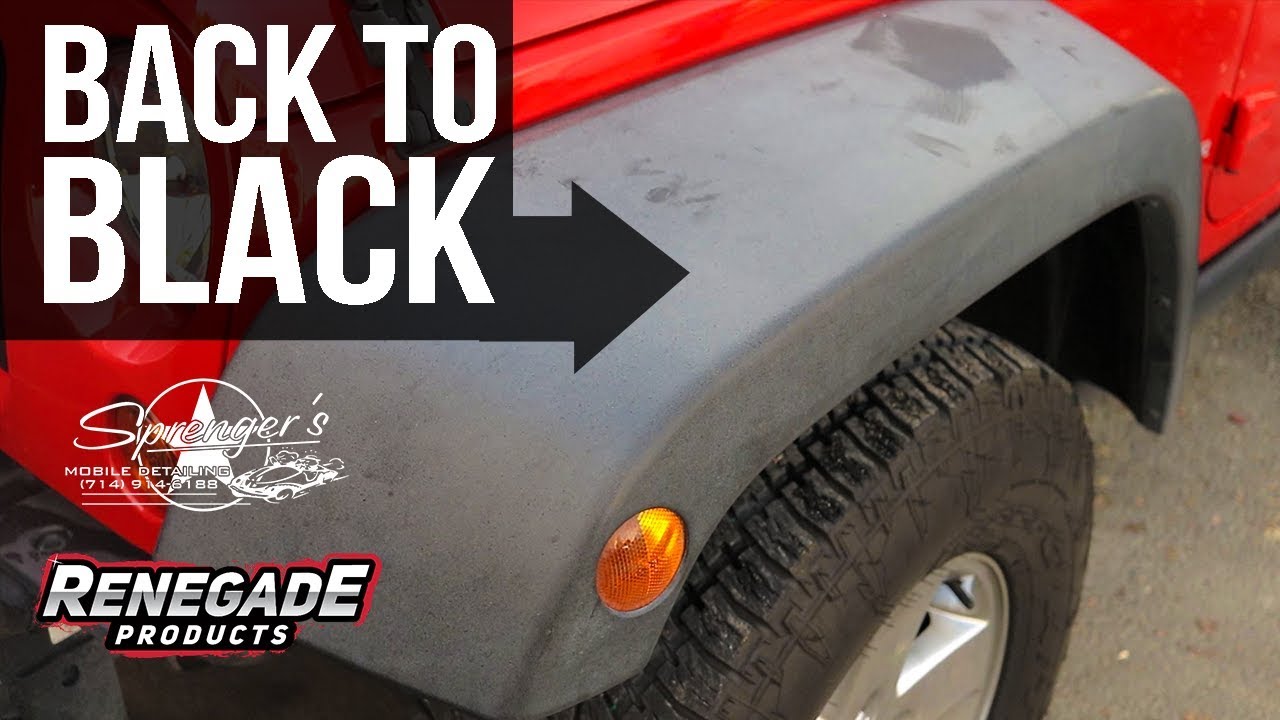
If you own a Jeep, you know the thrill of adventure and the pride of a tough vehicle. But over time, your Jeep fenders may lose their rich black color and start to look faded, gray, or chalky. This is a common problem, especially if you drive off-road or park in direct sunlight. Restoring your fenders can make your Jeep look new and protect them from further damage. This guide will show you simple and effective ways to make your Jeep fenders black again, using easy steps and proven products.
Why Jeep Fenders Fade
Most Jeep fenders are made from plastic or thermoplastic olefin (TPO). Sunlight, rain, dirt, and chemicals break down their surface, causing a faded look. The main cause is UV rays that bleach the color. Sometimes, washing with harsh soap can strip away protective layers. If you understand why fenders fade, you can prevent it in the future.
| Cause | Effect on Fenders |
|---|---|
| UV Sunlight | Turns black to gray; cracks surface |
| Weather (rain, snow) | Washes away oils; leaves residue |
| Harsh Chemicals | Removes color; dries plastic |
| Scratches/Dirt | Creates rough texture; traps dust |
Choosing The Right Restoration Method
There are several ways to restore black fenders. Some are quick and cheap, others last longer but require more work. Picking the right method depends on your budget, time, and the condition of your Jeep.
| Method | Cost | Durability | Difficulty |
|---|---|---|---|
| Plastic Restorer | $10-$30 | 3-6 months | Easy |
| Heat Gun | $25-$50 | 6-12 months | Medium |
| Spray Paint | $15-$40 | 1-2 years | Hard |
| DIY Oils (e.g., olive oil) | $5-$10 | 1 month | Easy |
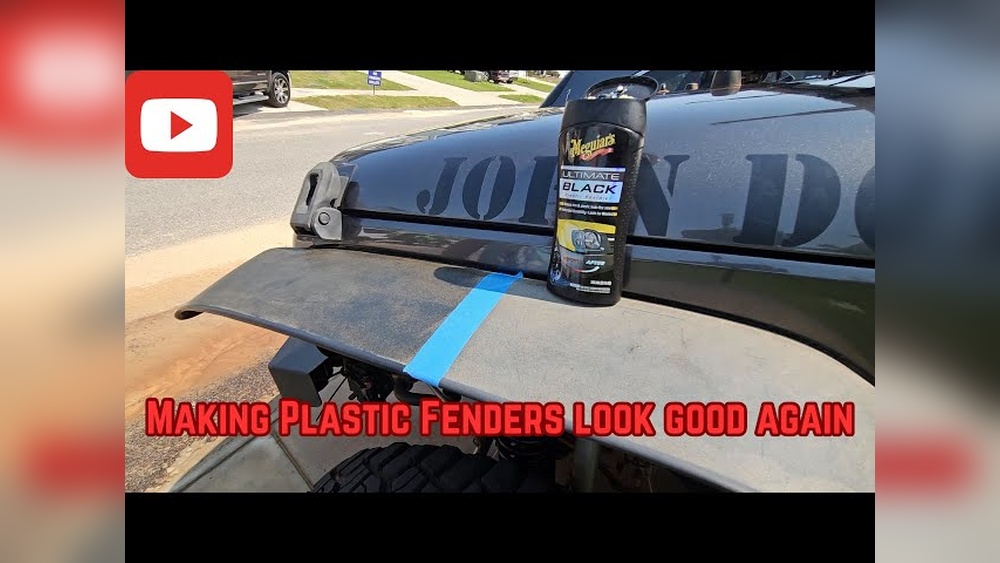
Many Jeep owners use plastic restorer products because they are quick and safe. However, using a heat gun can work wonders if you need a deeper fix. Painting is more permanent but takes skill.
Step-by-step: Using Plastic Restorer
- Wash your fenders with mild soap and water. Remove all dirt, grease, and debris. Dry fully.
- Tape off areas around the fenders to protect paint and lights.
- Apply the plastic restorer with a foam applicator or microfiber cloth. Use a dime-sized amount for each section.
- Rub in small circles. Cover the entire fender evenly.
- Let the product sit for 5-10 minutes. Buff with a clean cloth.
- Repeat if needed for very faded fenders.
Pro Tip: Some plastic restorers work best when applied in warm weather. Always read product instructions.
Step-by-step: Using A Heat Gun
- Clean the fender as before. Dry completely.
- Plug in the heat gun and set it to low-medium.
- Hold the gun 2–3 inches from the fender. Move slowly across the surface.
- Watch as the plastic turns darker. Do not overheat—this can cause melting.
- Let the fender cool. Wipe with a soft cloth.
Non-obvious insight: The heat gun method actually redistributes the natural oils in the plastic, making it black again. It works best on older Jeeps with deep fading.

Step-by-step: Painting The Fenders
- Clean and sand the fenders with 400-grit sandpaper.
- Tape off nearby surfaces.
- Spray on a plastic primer. Let it dry.
- Apply 2–3 thin coats of black automotive spray paint.
- Finish with a clear protective spray.
Common mistake: Many skip the primer, which leads to peeling and uneven color.
How To Keep Fenders Black Longer
Maintaining your fenders is easier than restoring them. Here’s how to keep that deep black look:
- Wash fenders monthly with mild soap
- Avoid harsh chemicals like bleach
- Apply UV protectant every 3–4 months
- Park in the shade when possible
- Use mud flaps to limit dirt
Non-obvious insight: Many owners forget to dry fenders after washing. Water spots can cause streaks and fading.

Comparing Top Plastic Restorers
Here’s a quick look at three popular products:
| Product | Price | Effect | Longevity |
|---|---|---|---|
| Meguiar’s Ultimate Black | $15 | Deep black, glossy finish | Up to 6 months |
| Mother’s Back-to-Black | $12 | Restores shine, hides scratches | 4–5 months |
| Cerakote Trim Coat | $25 | Matte black, strong protection | Up to 12 months |
If you want more details on plastic restorers, visit Wikipedia.
Frequently Asked Questions
Can I Use Household Items To Restore Jeep Fenders?
Yes, you can use olive oil or peanut butter to add temporary shine. These methods are cheap but only last a few weeks. They do not protect against UV rays.
Is It Safe To Use A Heat Gun On Plastic Fenders?
It is safe if you keep the heat gun moving and do not stay in one spot for too long. Always start with low heat and watch for signs of melting. Practice on a small area first.
How Often Should I Apply Plastic Restorer?
Most products last 3–6 months. For best results, reapply every season or after heavy off-road use.
What Should I Avoid When Cleaning My Fenders?
Do not use bleach, strong detergents, or abrasive sponges. These can scratch and fade the plastic faster. Stick to car soap and soft cloths.
Is Repainting My Jeep Fenders A Good Idea?
Repainting works for very damaged or scratched fenders. It is long-lasting but needs careful prep and skill. If your fenders are only faded, try a restorer or heat gun first.
Restoring your Jeep fenders to a deep black is simple with the right approach. Whether you use a restorer, heat gun, or paint, your Jeep will look sharp and ready for the next adventure. With regular care, you can keep your fenders black and bold for years to come.