If you drive a Jeep Cherokee, checking your coolant level is a simple but important task. Coolant, also known as antifreeze, helps keep your engine from overheating or freezing in cold weather. If the coolant level is too low, your engine can get damaged, which often costs thousands of dollars to repair. Luckily, you can check the coolant level yourself with just a few minutes and basic knowledge.
Why Coolant Level Matters
Your Jeep Cherokee’s engine produces heat while running. The coolant system absorbs this heat and releases it through the radiator. Without enough coolant, your engine can overheat, leading to breakdowns or expensive repairs. According to the National Highway Traffic Safety Administration, overheating is one of the top causes of roadside breakdowns in the US.
Low coolant can also cause heater problems in winter or lead to white smoke from the exhaust. Checking the level regularly helps you spot leaks early and keeps your vehicle running smoothly.
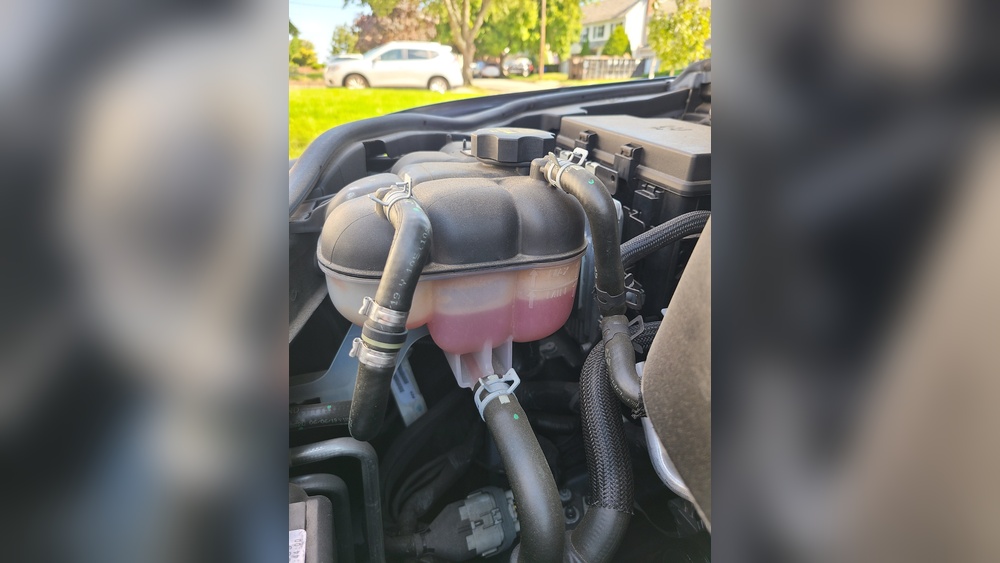
Where To Find The Coolant Reservoir
Most Jeep Cherokees use a plastic reservoir located near the radiator under the hood. It’s usually labeled “coolant” or “engine coolant.” The reservoir is translucent, so you can see the fluid inside without opening it. On the side, you’ll find two marks: “FULL” (or “MAX”) and “LOW” (or “MIN”).
Here’s a quick comparison for finding the coolant reservoir in different Jeep Cherokee models:
| Model Year | Reservoir Location | Cap Label |
|---|---|---|
| 2014–2022 | Front right (near radiator) | Coolant / Engine Coolant |
| 2008–2013 | Front center (near radiator) | Coolant |
| Pre-2008 | Front left | Coolant |

Step-by-step: How To Check Coolant Level
Checking your Jeep Cherokee coolant level is easy if you follow these steps:
- Park Safely
- Turn off the engine and let it cool for at least 30 minutes.
- Never open the coolant reservoir when the engine is hot. Hot coolant can cause burns.
- Open the Hood
- Pull the hood release inside your car.
- Secure the hood with the prop rod.
- Locate the Reservoir
- Find the plastic coolant tank. Use the guide above if you’re unsure.
- Check the Level
- Look at the side of the reservoir. The fluid should be between the “LOW” and “FULL” marks.
- If it’s below “LOW,” you need to add coolant.
- Inspect Color and Clarity
- Coolant is usually green, orange, or pink. It should be clear, not cloudy or rusty.
- If the color looks wrong, your coolant may need changing.
- Add Coolant (If Needed)
- Use the correct type for your Jeep Cherokee. Most newer models use HOAT or OAT coolants.
- Open the cap slowly and pour until the level reaches the “FULL” mark.
- Close Everything
- Replace the cap and close the hood securely.
Coolant Types For Jeep Cherokee
Using the right coolant is critical. Here’s a quick guide for Jeep Cherokee coolant types:
| Model Year | Coolant Type | Color |
|---|---|---|
| 2014–2022 | OAT (Organic Acid Technology) | Orange |
| 2008–2013 | HOAT (Hybrid OAT) | Purple |
| Pre-2008 | Traditional (IAT) | Green |
Always check your owner’s manual before buying coolant. Mixing types can cause chemical reactions and damage your engine.
How Often Should You Check Coolant?
For most drivers, check your coolant level every month or before long trips. If you see warning lights, a puddle under your car, or smell something sweet under the hood, check the coolant right away. Experts recommend changing coolant every 5 years or 100,000 miles, but this depends on your model and driving habits.
Signs Your Coolant Is Low
Watch for these symptoms:
- Temperature gauge is higher than normal
- Heater not working
- Visible leaks under your car
- Steam from under the hood
Ignoring these signs can lead to engine damage. If you see any, check your coolant as soon as possible.

Common Mistakes When Checking Coolant
Beginners often make these mistakes:
- Opening the reservoir when hot, risking burns.
- Using the wrong coolant type or mixing brands.
- Overfilling the reservoir, which can cause leaks.
- Not checking for leaks after topping up.
Always use safety gloves and eye protection, especially if you have sensitive skin.
Troubleshooting: What If Coolant Level Drops Often?
If you notice the coolant level dropping frequently, it could mean:
- Leak in the radiator or hoses
- Faulty water pump
- Damaged reservoir cap
Here’s a comparison of common causes and their signs:
| Problem | Possible Signs | Repair Cost (Estimate) |
|---|---|---|
| Radiator Leak | Puddle under car, low coolant | $300–$900 |
| Water Pump Failure | Whining noise, overheating | $400–$800 |
| Cap Failure | Coolant steam, visible cracks | $20–$50 |
If you’re unsure, visit a mechanic for a pressure test. This checks for leaks you can’t see.
Practical Tips For Jeep Cherokee Owners
- Keep a spare bottle of coolant in your trunk.
- Check hoses and clamps for cracks.
- Never mix coolant types unless you flush the system first.
- Record the date and mileage when you check or change coolant.
Many drivers forget to check coolant until there’s a problem. Regular checks can save you money and stress.
For more details on automotive cooling systems, see Wikipedia.
Frequently Asked Questions
How Do I Know Which Coolant To Use In My Jeep Cherokee?
Check your owner’s manual. Most newer Cherokees use OAT (orange) coolant, while older ones use HOAT or IAT. Never mix types.
Can I Check Coolant Level When The Engine Is Hot?
No. Always wait until the engine is cool. Checking when hot is dangerous and can cause burns.
What Happens If I Overfill The Coolant Reservoir?
Overfilling can cause leaks and pressure issues. Fill only to the “FULL” mark.
Why Does My Coolant Level Keep Dropping?
Frequent drops suggest a leak, faulty cap, or water pump issue. Inspect for puddles and visit a mechanic if unsure.
How Often Should I Replace My Jeep Cherokee’s Coolant?
Replace every 5 years or 100,000 miles, but check your manual for details. Older models may need changes sooner.
Checking coolant in your Jeep Cherokee is quick, easy, and protects your engine. Regular checks and using the right coolant will keep your SUV running smoothly for years. If you notice any problems, act fast to avoid bigger repairs.